Flipkart Is Testing Food Delivery With Its Own Staff First
Flipkart, the Walmart-owned Indian e-commerce company, is testing a food-delivery service internally ahead of a public launch. TechCrunch
The trial is employee-only. It started with a few hundred staff and has expanded to upwards of 8,000 employees. The service appears as a separate tab inside Flipkart's main shopping app, listed alongside Minutes quick-commerce and travel bookings.
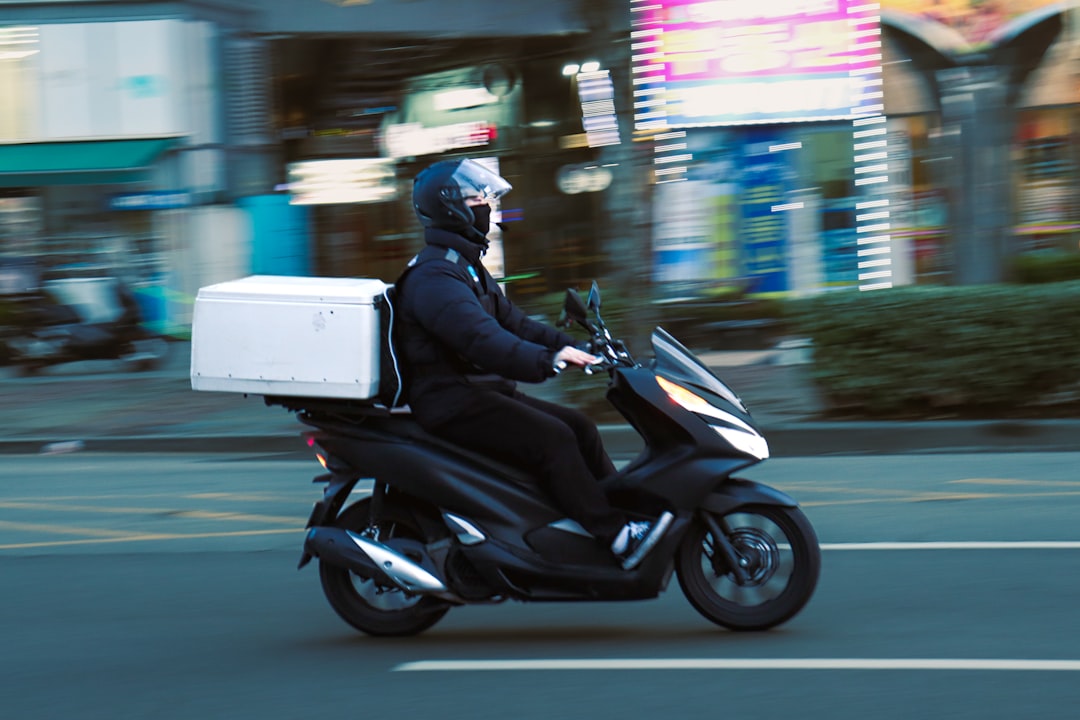
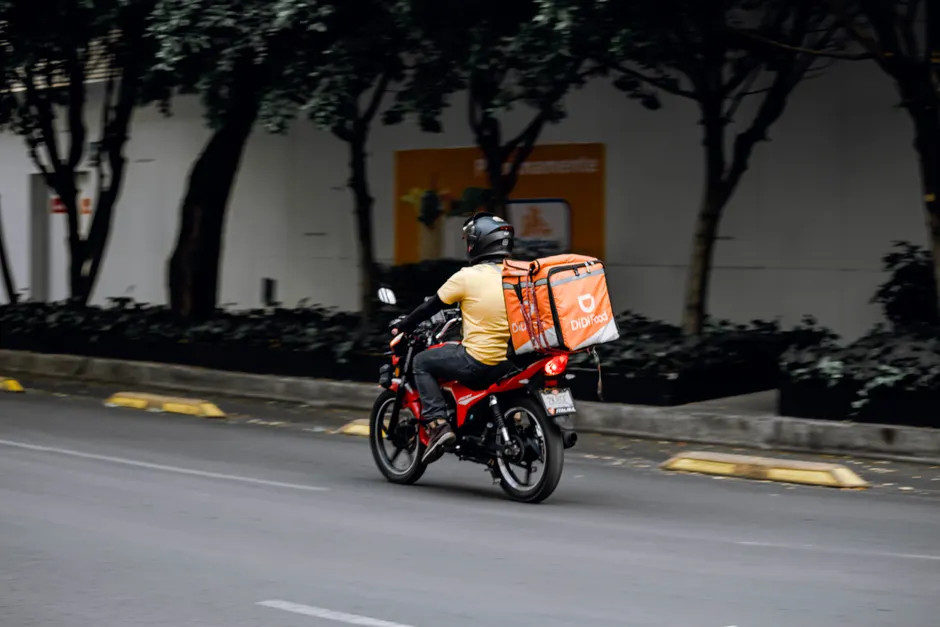
Logistics are handled separately from Flipkart's existing rapid grocery operation. The company has deployed a dedicated fleet of riders through its logistics arm Ekart for food delivery, distinct from its quick-commerce riders. In Bengaluru, riders wearing jerseys bearing 'Eat-in by Minutes' branding have begun fulfilling orders.
Restaurant supply comes from two channels. Flipkart is drawing on restaurants listed through ONDC, India's open network that lets sellers list once and appear across many apps, and restaurants it has signed up directly. The initial public launch is planned in Bengaluru, according to earlier reporting. Yahoo Finance
Bernstein estimates India's food-delivery market is growing 18% to 20% a year, while online delivery accounts for just over 15% of India's broader food-services industry. Zomato and Swiggy together serve an estimated 85 million to 95 million paying customers a year, per Bernstein. TechCrunch
Amazon launched a food-ordering service in Bengaluru in 2020 and shut it down two years later. Uber sold its Uber Eats business in India to Zomato in 2020.
The competitive field is shifting toward lower prices. Rapido has been expanding Ownly, its food-delivery service that charges restaurants zero commission. Swiggy has launched Toing, a separate app aimed at customers looking for cheaper meals.
Earlier reporting pointed to a wider rollout by late 2026 or early 2027 depending on trial results. Verdict Food Service
Flipkart's test sits inside a wider quick-commerce buildout. Walmart's Flipkart and Amazon said they are speeding up expansion of their quick commerce business in India. Reuters Amazon will invest $3 billion to expand its India quick commerce business by 2030. Reuters That speed promise has drawn scrutiny. Walmart's Flipkart, Swiggy and IPO-bound Zepto have stopped promoting their grocery businesses as "10-minute" delivery services after a government order. Reuters More than 200,000 riders refused to ferry food in a New Year's Eve flash strike. Bloomberg
The broader context here is infrastructure reuse. Flipkart already operates a high-traffic consumer app, a logistics network in Ekart, and a Minutes operation for groceries and essentials. Adding a restaurant marketplace tab lets it test demand, rider assignment, and delivery times without building a standalone food brand first. Using ONDC listings lowers the initial cost of restaurant acquisition, while direct sign-ups give it control over selection in dense Bengaluru neighborhoods where order frequency justifies a dedicated fleet.
In my view, the technical questions matter more than store count at this stage. Food delivery rests on efficient dispatch, accurate prediction of cooking time, and per-order economics during peak hours. An 8,000-employee trial is large enough to generate real lunch and dinner peaks, test grouping of nearby orders, and measure handoff delays between restaurant, Ekart rider, and customer. For business readers, it is worth noting that commission structure, the fee restaurants pay per order, will decide whether this becomes a third marketplace or a supply channel for Flipkart's existing commerce system. Rapido's zero-commission test with Ownly and Swiggy's cheaper-meals app Toing both point to price sensitivity as the current battleground, not delivery speed alone.
Looking ahead, what this enables if Flipkart executes is a tighter bundle of shopping, groceries, travel, and food inside one app for urban Indian consumers. That bundle has been tried before and failed. The difference now is ONDC as a shared supply rail, mature quick-commerce logistics, and a market still growing near 20% annually with online penetration only just above 15%. The headroom is real.