More Than 200 Graded Pokémon and Sports Card Packages Stolen From FedEx Truck at PSA
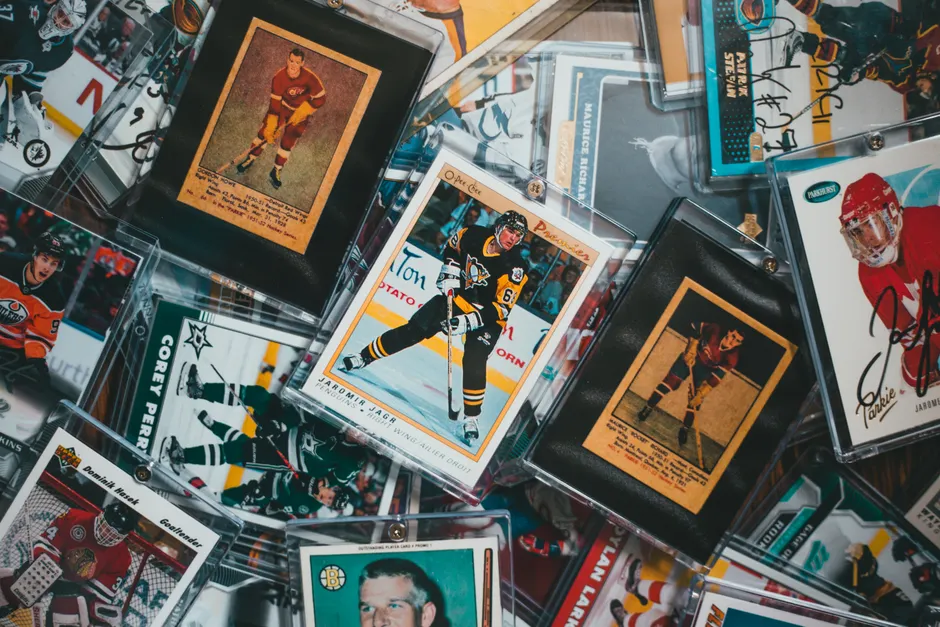
More than 200 packages of graded trading cards on their way back to owners were stolen from a FedEx truck parked outside Professional Sports Authenticator's headquarters in Santa Ana, California. Graded here means authenticated, scored for condition, and sealed in protective holders. PSA told the Santa Ana Police Department that most of those packages had a combined value of over $963,000. The company said that total could increase as it confirms exactly which cards were taken. The Verge
The truck was parked at 1610 E. St. Andrew Place in Santa Ana. Heavy Two pallets containing Pokémon and sports cards were taken, and a third pallet was disrupted. NBC Los Angeles Sports and Pokémon orders move through the same grading and return pipeline, so one vehicle hold contained both categories.
Collectors Holdings, the parent company of PSA, acknowledged the theft. It said it is working closely with local law enforcement and FedEx as the investigation continues. The Verge
The response centers on PSA's certification system. Each graded card carries a unique certification number that a buyer can look up to verify the grade. PSA has deactivated the numbers for cards so far identified as stolen. Collectors Holdings also said it notified marketplace partners to watch for rare and serialized stolen items, cards stamped with a limited run number, to help prevent resale. The Verge A buyer or marketplace that checks one of those numbers will not see a clean verification.
Collectors Holdings said it contacted affected customers to arrange compensation based on fair market value, up to the maximum insured value the customer selected before grading. One victim account, Sky-B Cards, paid $8,468 to have 104 sports cards graded by PSA and insured the order for up to $156,000. The Verge Payouts track declared coverage, not open-ended replacement cost.
The broader context here is custody at the handoff. Grading pulls high-value, authenticated inventory into one place, then sends it back out through a third-party carrier. That aggregation brings efficiency. It also creates a single point where theft from pallets can affect hundreds of owners at once, a pattern familiar from data systems that pair a central trust store with distributed delivery.
Looking at what this means for collectors and platforms, the mechanism is control after theft without physical recovery. Deactivation does not retrieve cards. Like a canceled serial number, it makes them harder to sell in legitimate channels where cert lookup is routine. Rare and serialized cards are easier to flag because their identifiers are scarce and searchable, so low-population, high-visibility items face friction at resale. Common graded cards may be harder to intercept, since enforcement depends on every buyer and seller checking.
In my view, worth flagging the insurance design as the other control plane. Customers choose a maximum insured value before grading, which sets both the upfront cost and the recovery ceiling. That model prices risk in advance and avoids later arguments over value, but it leaves any gap between declared value and current market movement with the owner. The Sky-B Cards example shows the tradeoff between grading fees, declared coverage, and exposure when a return shipment fails to arrive.
The outcome to watch is whether cert checks and marketplace alerts hold across secondary sales. If they do, the stolen inventory becomes difficult to sell openly and owners have a defined compensation path. That would leave the registry, not the truck, as the durable layer of protection.