X Launches In-App Video Tools to Combat Stolen Content

X Launches In-App Video Tools to Combat Stolen Content
X is rolling out a new in-app video editor and recorder on iOS, a response to a widespread problem the platform acknowledged this summer: many of the most-watched videos are stolen reposts, sometimes circulating five years after they first went viral. On July 6, Nikita Bier, X's head of product, posted publicly that top-performing accounts routinely lift videos from other users without credit, and noted that video now drives close to half of all impressions on X The Verge.
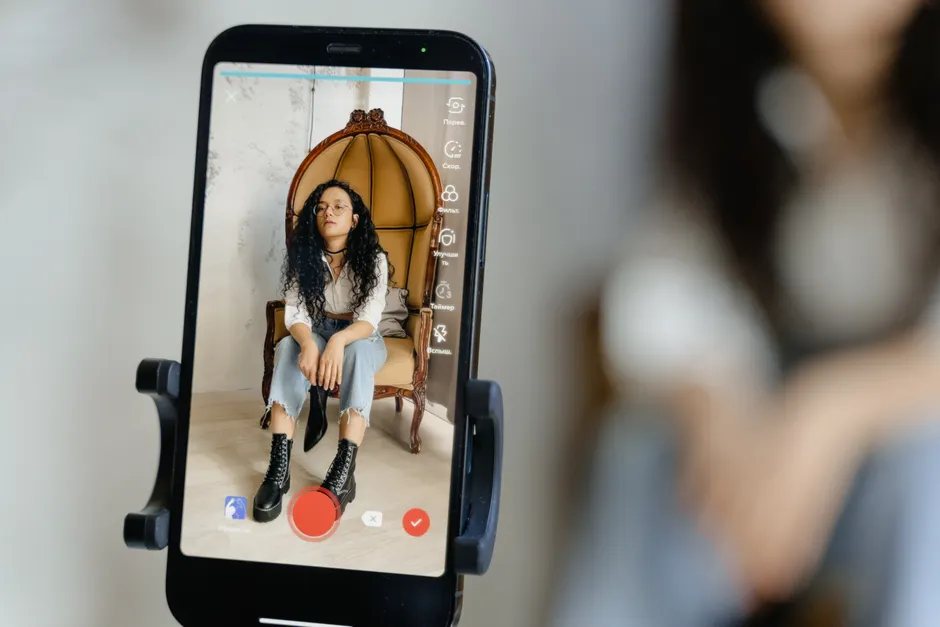
The new toolset includes trimming, automatic captions, multi-language caption overlays, and a green-screen feature that lets creators add custom backgrounds from their camera roll or existing posts The Verge. The goal, Bier explained, is to make original video creation faster and simpler — so creators have less reason to grab and repost clips from elsewhere.
The scale of this problem matters because video is now central to how X makes money. If video drives roughly half of all impressions, then the quality and originality of that content directly affects advertising revenue, creator payments, and the revenue-sharing program X uses to attract creators away from YouTube Shorts, TikTok, and Instagram Reels. Bier's statements suggest the company sees recycled content not as a moderation inconvenience but as a genuine threat to the economics of the platform.
This toolset release follows a series of moves X made earlier in 2026. In May, Bier announced that the team had found large accounts systematically reuploading content to game the payment system, and that X would begin sending impressions — and credit — back to the original creator instead The Verge. A month earlier, in April, the platform cut payouts to aggregator accounts that profited from stolen reposts and misleading headlines The Verge. X also invested engineering effort into detection systems: responding to a user whose video had been stolen, Bier said the incident "really bothered us" and that the company was "now investing a significant amount of engineering resources into these models" designed to spot duplicate video content Nikita Bier.
Taken together, the pattern is a three-step approach: remove the financial reward for reposting, build software to catch duplicates and credit the original creator, and finally make it easier to create original content in the first place so fewer creators feel the urge to repost. Bier has also signaled that the algorithm will favor creators who post original content over those who recycle, which serves as both a policy and a message to the creator economy about where X's algorithm is heading.
The reposting playbook is straightforward: grab trending clips, strip identifying information, repost with minor changes, and repeat at scale across many accounts. What complicates detection here is the time-decay problem Bier flagged — content from five years ago resurfacing now — which simple matching tools (like comparing digital fingerprints or key frames) may struggle to catch, especially when reuploaders crop, re-encode, or add watermarks to obscure the original.
The new editor is a start, but it addresses only half the problem. Making it easier to create original video doesn't automatically catch videos already stolen and circulating from accounts that have no plans to use these tools. The detection systems Bier mentioned are more important to solving the actual problem, but their effectiveness will be hard for outsiders to judge without published accuracy rates or transparency reports from X.
The bigger picture here is a platform trying to compete with more established competitors in short-form video — platforms with years of head start on native creation tools — while also trying to fix the payment structure that made reposting profitable in the first place. These two goals can pull in different directions: better editing tools likely mean more video overall, which gives detection systems more content to scan. Whether the payment-reallocation system scales without reuploaders just finding sneakier ways to obscure their reposts is the real question to watch in the quarters ahead.