US Strikes Iran Again Over Shipping Attacks—and a Pattern Emerges
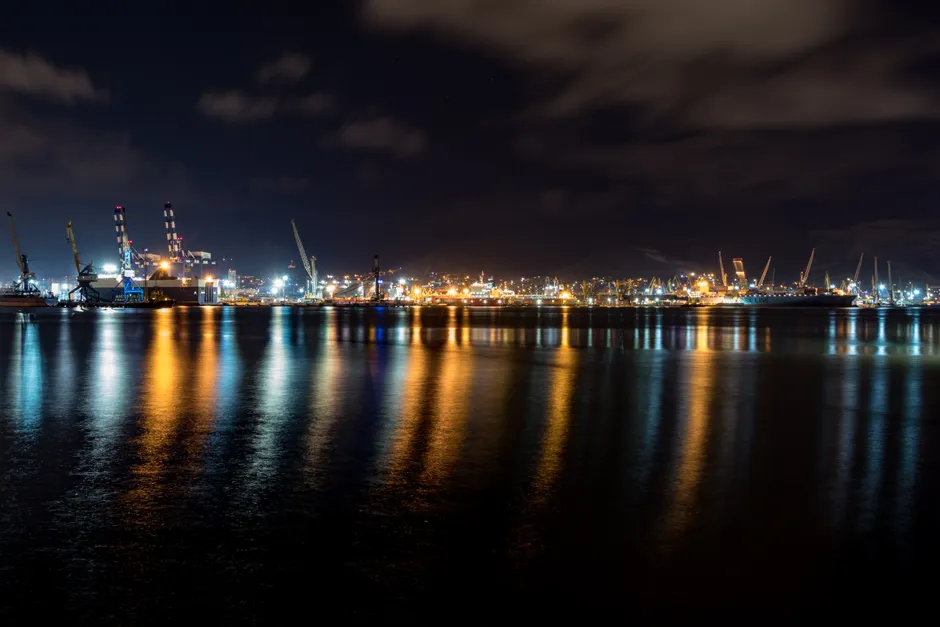
US Central Command launched fresh airstrikes on Iran on Tuesday, July 7, with explosions reported across the country's southern coast. According to Al Jazeera, Iranian media confirmed blasts near the port city of Sirik, on Qeshm Island, and in Bandar Abbas—which houses a major naval base and refinery complex at the mouth of the Strait of Hormuz.
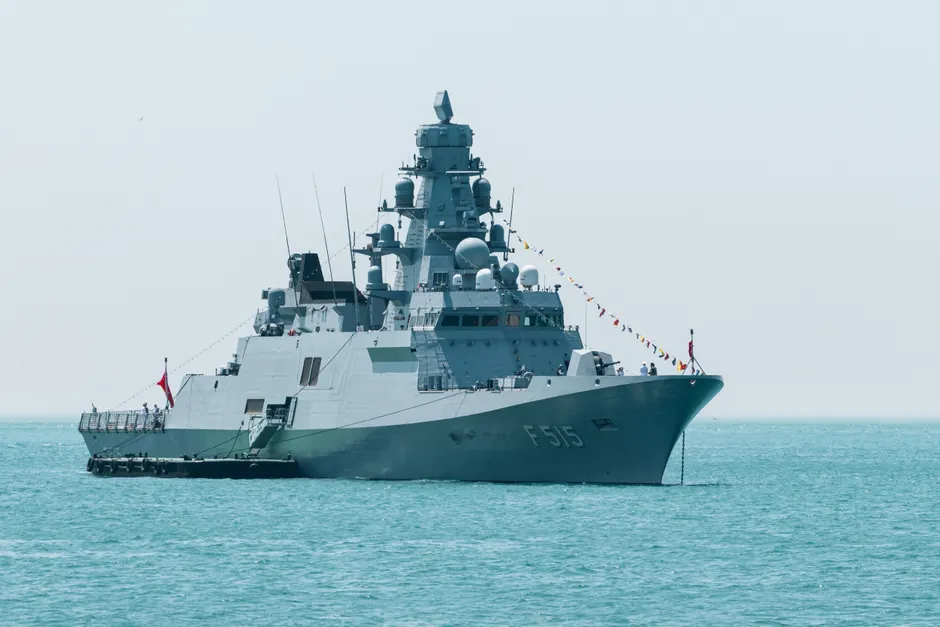
CENTCOM stated the operation was "in response to Iranian attacks on three commercial vessels transiting the Strait of Hormuz," per Al Jazeera. The command did not immediately release details on specific targets, weapons systems used, or whether the operation employed manned aircraft, stand-off missiles, or both. No battle damage assessment has been made public.
This marks the second round of US strikes on Iran in less than two weeks. On June 25, Iran attacked the commercial vessel M/V Ever Lovely, leading the United States to strike Iranian missile and drone storage sites and coastal radar installations the next day, according to a CENTCOM release. The pattern is now repeating: Iranian attacks on shipping followed by declared, calibrated US retaliation against military infrastructure—but this time, with escalation visible in scale. Three vessels targeted, not one.
The geographic distribution of Tuesday's strikes tells a story. Bandar Abbas serves as Iran's primary naval anchor on the Strait of Hormuz, through which roughly a fifth of the world's oil moves by tanker each day. Qeshm Island, lying just offshore, hosts Islamic Revolutionary Guard Corps naval facilities and has figured in prior targeting calculations by the US and Israel because of its location along major shipping corridors. Sirik, further east, is strategically positioned within the corridor historically used by Iran to deploy fast-attack boats and coastal missile systems to monitor—or threaten—strait traffic. Strikes spread across these three locations suggest a coordinated effort to degrade Iran's ability to disrupt shipping along the strait's northern shore.
CENTCOM's stated rationale mirrors the legal and political framework used after the Ever Lovely incident: retaliation for interference with commercial shipping, not a declaration of war against Iran or its nuclear program. This framing carries significance. It positions the US response within the principle of defending freedom of navigation—a concept with broader international acceptance than regime change or counter-proliferation efforts. It also sidesteps the domestic and congressional review that comes with wider war-powers claims.
Whether Tehran accepts this distinction, or treats successive strikes on its soil as acts of war regardless of stated intent, remains the critical question for what happens next.
Two strikes within fourteen days signals an escalatory cycle rather than a one-off deterrent. If Iranian attacks on shipping and US responses continue to alternate, the Strait of Hormuz could shift from an occasional flashpoint to an ongoing zone of conflict. The ripple effects would extend well beyond the two parties directly involved: insurance markets would tighten, shipping routes would shift, and oil prices could climb. Countries throughout the Gulf region—Saudi Arabia, the UAE, others without direct involvement in this exchange—have historically borne the economic and security costs of exactly these kinds of cyclical confrontations.
Tehran has not issued an official response to Tuesday's strikes beyond the media reports of explosions. How Iran calibrates its next move—whether against US assets, shipping, or through allied groups in Iraq, Yemen, or Lebanon—will determine whether this remains a contained dispute over maritime security or escalates into a wider regional conflict. In the coming days, markets and regional capitals will scrutinize both Tehran's response and Washington's willingness to pursue a third round of strikes.