Netflix Is Importing Short-Form Video From Major Publishers. Here's Why It Matters.
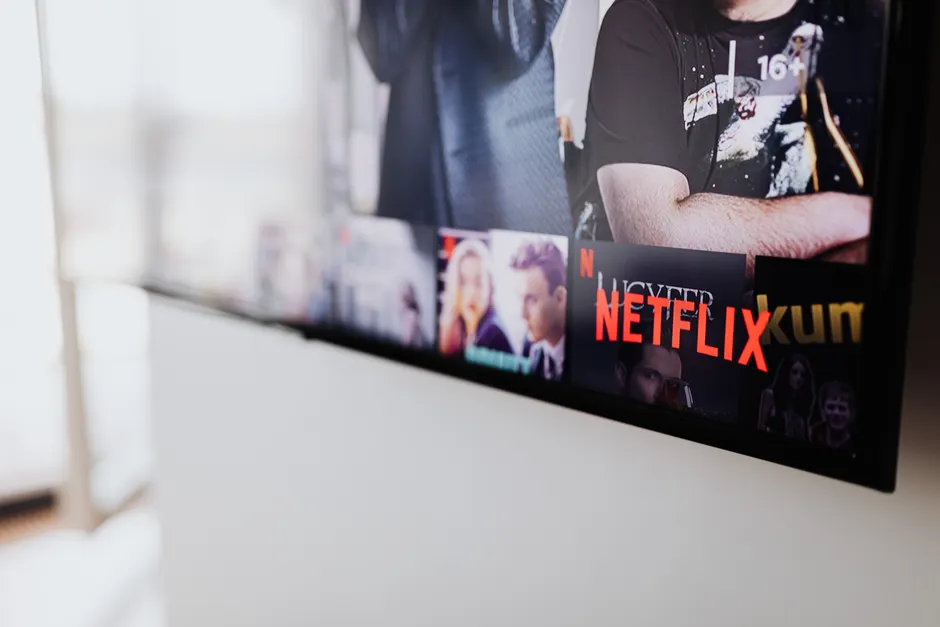
Netflix will launch short-form video from dozens of digital media brands on August 3, 2026, including BuzzFeed, Condé Nast, Hearst Magazines, People Inc, Tastemade, Penske Media Corporation (via its PMX division), and Variety and Rolling Stone. The content will appear directly on Netflix's homepage alongside scripted series and films The Verge.
The arrangement covers both archived content and newly commissioned series that would normally premiere on YouTube or the open web. Confirmed titles include Architectural Digest's "Open Door" and Vanity Fair's "Lie Detector Test," with Variety contributing "How Well Do They Know Each Other" Variety. Videos run between 3 and 20 minutes, spanning food, travel, fashion, entertainment, design, and wellness — the lifestyle categories where these publishers have built their strongest audiences.
Netflix is positioning this as letting subscribers access content "from around the Internet without having to leave Netflix." The company has indicated the roster may expand with additional publishers over time.
TechCrunch first reported the deal on July 7, 2026, ahead of Netflix's own announcement through its Tudum platform.
The timing invites a specific observation. A separate Bloomberg report, also noted in coverage by The Verge, found that some Netflix second seasons lose up to 70 percent of their first-season viewers. Netflix has not explicitly connected these two developments, and no reported source ties the publisher deal to retention strategy. Yet the pattern is notable for anyone watching Netflix's engagement trends: a platform facing steep second-season drop-off is simultaneously importing the exact format — short, lifestyle-focused videos designed for both vertical and horizontal viewing — that has kept YouTube and TikTok engaging for over a decade.
Structurally, this differs from Netflix's previous short-form experiments, such as clip shows it produced itself or promotional cuts for social media. Here, Netflix functions as a distribution and discovery layer while publishers retain commissioning, production, and talent relationships. It resembles a cable carriage deal more than a traditional content buy, which raises practical questions: what's the revenue split between Netflix and the publishers, what advertising appears (if any), and how Netflix counts these views against its public engagement numbers. None of the reporting specifies these details, yet they matter significantly to publishers' ad sales teams and to analysts modeling Netflix's engagement per subscriber.
For publishers, the calculation is clearer. Netflix's 300-million-plus global subscriber base offers a discovery surface with completion rates and reach that YouTube's open, algorithm-driven feed cannot guarantee. Condé Nast, Hearst, and Penske have all spent a decade building video operations for platforms with far less predictable discovery than Netflix's curated homepage. Offering Netflix first access to content — the reporting does not specify exclusivity terms — trades some upside for assured audience reach.
The broader context here is that Netflix's stated goal to become where users find content "from around the Internet" is language that, taken literally, positions the service less as a curated premium library and more as an aggregation platform competing directly with YouTube's long-tail lifestyle programming. Whether subscribers will actually watch 3-minute design tours with the same engagement they bring to hour-long dramas remains unanswered by current reporting. Netflix has historically kept quiet on granular metrics for unscripted or licensed short-form performance, and nothing suggests that will change.
In practical terms, publisher video teams now face a new technical challenge: Netflix's ingest specifications, metadata requirements, and homepage algorithm are a different engineering target than YouTube's Content ID system or Facebook Watch's recommendation approach. Video teams should expect to spend weeks understanding what "Netflix-native" formatting requires, much as they did for Snapchat Discover and Quibi before it.
Assuming Netflix does expand the publisher roster as promised, this becomes a genuine test: can a subscription platform absorb open-web viewing habits without eroding its core appeal. That's a question worth tracking over the next few quarters, not just at launch.


