A Toddler Declared Dead Was Found Alive in a Hospital Morgue. What Went Wrong.
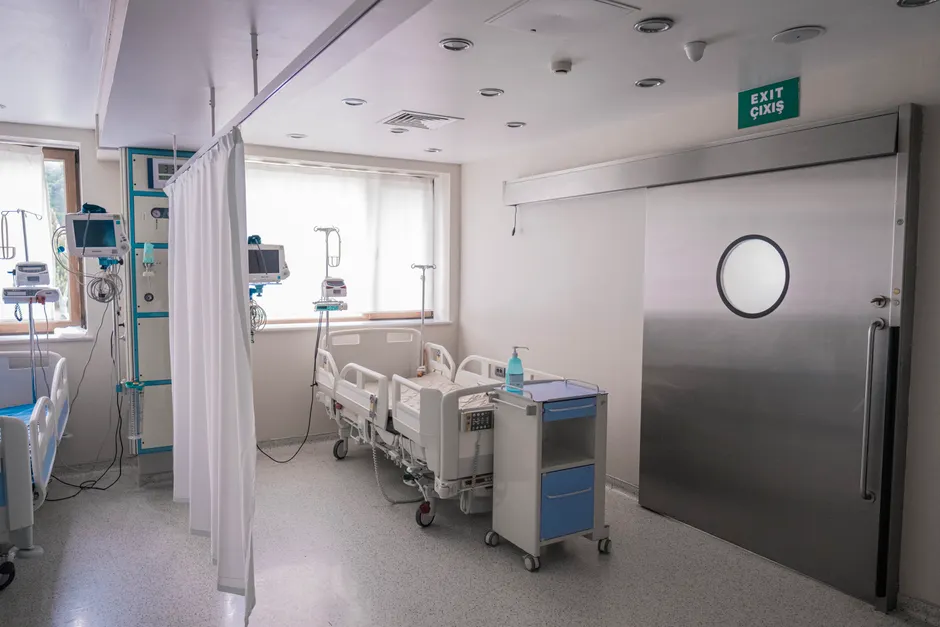
An 18-month-old child in Gilbert, Arizona, declared dead after a backyard pool drowning in February 2026 was found alive in a hospital's cold room hours later, according to police records released this week and first reported by KNXV-TV, the Phoenix ABC affiliate. The boy, referred to publicly as "baby Vincent," survived and has since been discharged from the hospital.
The incident began around 5:30pm on February 8, 2026, when emergency responders were called to a Gilbert home for a drowning report. The child was brought to Mercy Gilbert Medical Center, where he was pronounced dead roughly an hour later. About five hours after that pronouncement, police learned the child was breathing. A team from the Maricopa County medical examiner's office discovered him alive in the cold room—the facility where bodies awaiting autopsy are stored—and he was transferred to another hospital for treatment. The Associated Press independently confirmed the timeline.
Police records show the error extended beyond diagnostic uncertainty. Two Gilbert police officers reported observing signs of life in the child multiple times before he was moved to the cold room. The report also quotes Dr. Aryan Toosi telling an officer, "Please do your thing and let me do my thing. I went to medical school for a reason." Scott Holden, an attorney representing Toosi, is named as counsel for the physician.
Gilbert police recommended negligence charges against the child's parents, citing a strong odor of marijuana at the home and unsecured doors that gave the child access to the pool. The Maricopa County Attorney's Office is reviewing the case, though no charging decision has been announced. A GoFundMe established in February describes the child's need for extensive ongoing therapy.
Mercy Gilbert Medical Center says it conducted an internal review and made changes to strengthen clinical practice, though details of those changes remain undisclosed. It took roughly five months for Gilbert police to release the public records—a delay that drew scrutiny from local outlets.
Pediatric drowning cases in cold water present genuine diagnostic challenges. Cold-water immersion can lower a child's metabolic rate so severely that vital signs become nearly impossible to detect by standard clinical methods. Medical literature documents cases of prolonged submersion in cold water followed by full neurological recovery, which is why aggressive resuscitation is standard protocol even after extended time without detectable vital signs. What distinguishes this case is the reported observation by police officers of signs of life after the death had already been legally pronounced—shifting the question from pure medical uncertainty to hospital procedures and decision-making.
The five-month gap between the incident and public record release raises a separate question. Delayed disclosure in cases involving potential negligence by both parents and medical staff can slow parallel investigations, especially when prosecutors must establish a clear sequence of decisions and observations to evaluate criminal charges.
The county attorney's office will need to examine two separate issues that intersect at that cold room: whether the parents' conduct meets the threshold for criminal negligence, and whether hospital or medical examiner staff bear responsibility for the death pronouncement itself. Arizona's negligent child endangerment laws and any potential investigation into the pronouncing physician's medical license will follow different legal pathways, each with its own standards of proof and institutional players. How Mercy Gilbert's internal changes affect protocol—especially for confirming death in pediatric cold-water cases—may also draw attention from hospital accreditation bodies regardless of whether criminal charges are filed.