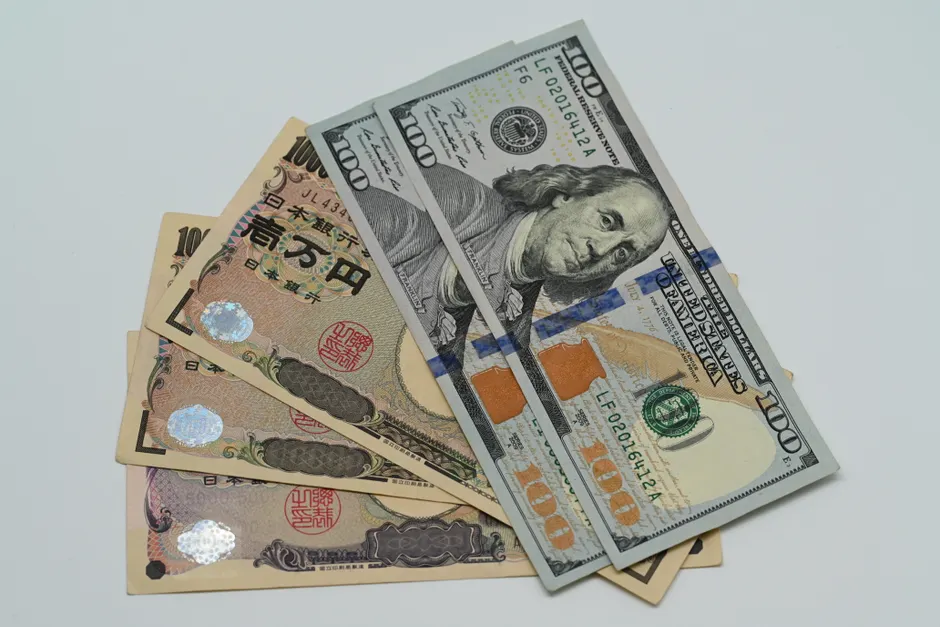
Asian Currencies Pause Against the Dollar as Oil Retakes the Spotlight
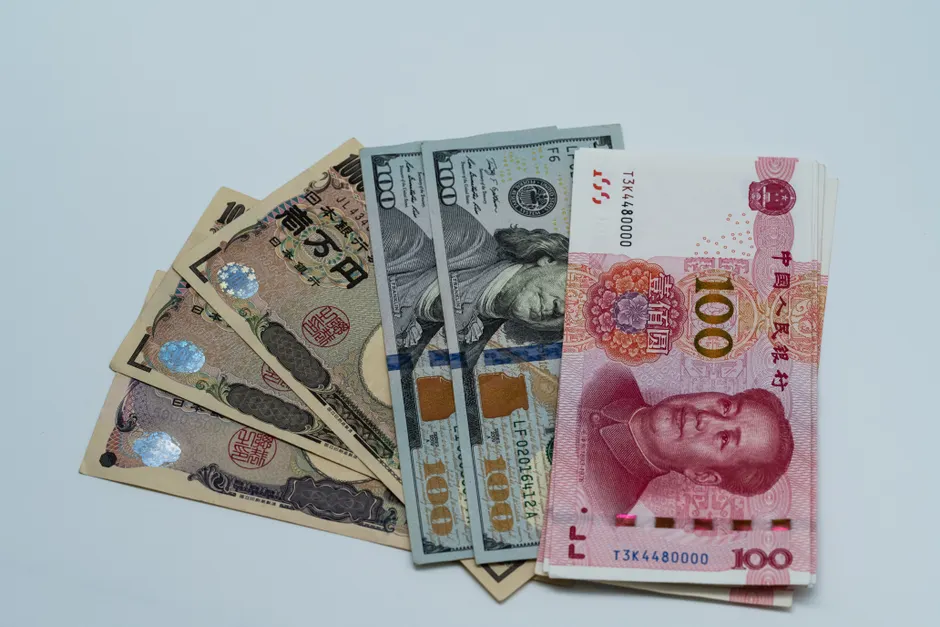
Asian currencies consolidated against the U.S. dollar on October 22, 2026, as market attention moved back toward oil after a stretch dominated by Middle East developments, according to The Wall Street Journal.
In currency trading, 'consolidate' means prices stop trending and drift sideways inside a range. A consolidating currency has paused. It has not necessarily reversed.
The shift in focus matters because it changes the question traders are asking. When geopolitical headlines dominate, the market prices a risk premium, meaning the extra return investors demand for holding assets exposed to uncertainty. That premium can swing with each new development. When oil takes over, the question becomes the physical balance of supply and demand, which is slower to resolve and easier to measure. Currencies respond to both, but differently.
The oil link runs through the trade balance, the gap between what a country sells abroad and what it buys. For economies that import most of their crude, a higher oil price raises the local-currency cost of energy and widens the trade deficit, which tends to weigh on the currency. Exporters see the reverse. Because the region contains both kinds of economies, a move in crude does not hit every Asian currency the same way. A steady group can hide divergence underneath, with some currencies holding still because their drivers offset each other.
For ordinary savers and borrowers, the transmission is less abstract than it looks on a screen. Currency moves feed into import prices, including fuel, and through them into domestic inflation, the general rise in prices over time. They also change the local-currency burden of any debt denominated in dollars. A quiet week in the currency market does not erase those exposures. It simply means they were not re-priced on that particular day.
I would be cautious about reading too much into a consolidation headline. Range-bound trading is common, and it ends in both directions. A currency that holds a range for a session or two tells you little about where it goes next. The more useful question is whether oil's renewed focus produces a sustained move in crude, since that is the variable most likely to push these currencies out of their ranges. If crude stays calm, the currency market may stay quiet. If it does not, the consolidation could resolve quickly, and the direction would depend on which economies in the region are net buyers of oil and which are net sellers.
On October 22, 2026, Asian currencies paused against the dollar while the market's attention returned to crude. For anyone managing currency exposure, that is a reason to watch oil closely, not a signal about where either one is headed.