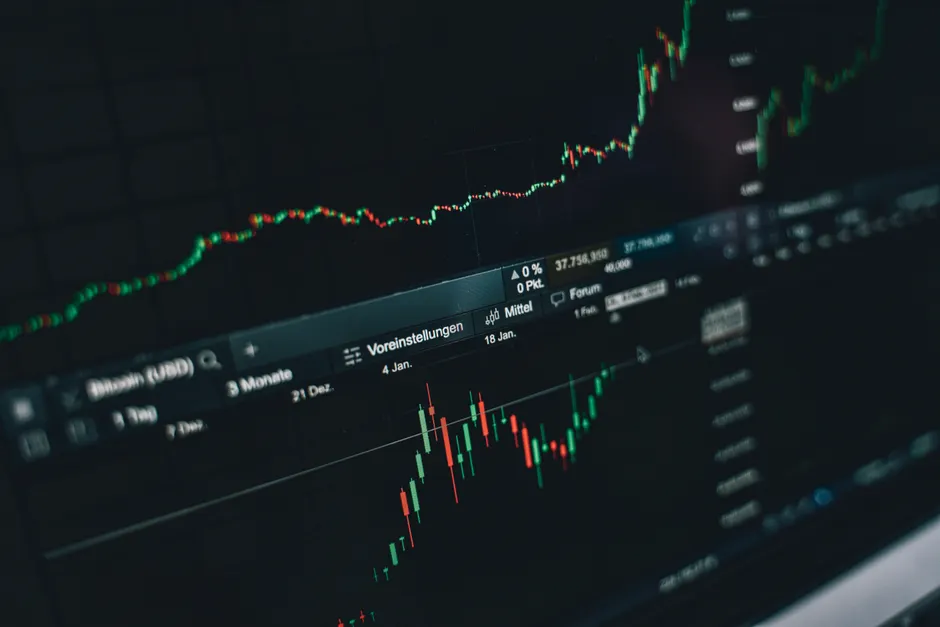
Hedge Funds Cut Tech Stocks at a Record Pace, Goldman Says

Hedge funds cut their tech stock holdings at a record pace, Goldman Sachs reported on October 19, 2026, and gross trading activity among the funds fell at its fastest rate in nearly three months (Yahoo Finance). Gross trading activity is the total of long positions (bets that a stock will rise) and short positions (bets that it will fall). A drop in it means funds were trading less overall, not just selling one side. Gross and net exposure are different measures, and the distinction matters for what follows.
The selling follows a weak stretch for the funds' relative performance. Goldman Sachs said hedge funds posted their worst underperformance against the S&P 500, the benchmark index of 500 large US companies, in July 2026 in more than 20 years of data (CNBC). That is a benchmark-relative figure. It means funds trailed the index by more than in any month of that dataset. It does not say whether they lost money in absolute terms.
On October 1, 2026, Reuters reported that volatility-control funds held near-record equity exposure, raising the risk of a selloff (Reuters). Volatility-control funds scale their stock allocation according to recent realized volatility, meaning how much prices have actually been swinging. They tend to add exposure when markets are calm and cut it when volatility rises.
The broader context here is the more worrying part. A large, crowded position held by a group whose selling rules are mechanical is a known source of amplified drawdowns, since the selling is triggered by price moves rather than by a view on value.
In my view, that context changes how the tech selling reads. A fund cutting tech while volatility-control allocations sit near their highs is in a different situation from a fund cutting tech into a market where positioning is light.
Earlier in the year the flows ran the other way. In May, Reuters reported that global hedge funds' weekly buying of South Korean, Japanese and Taiwanese stocks had reached a 10-year high (Reuters).
Those Asian markets are heavily weighted toward technology hardware and semiconductors. A shift from accumulating those names to cutting tech more broadly is therefore a meaningful change in where the marginal dollar sits, meaning where the newest money is going. Positioning can turn quickly, and a May buying spree does not tell you where funds stand in October.
For readers tracking leverage, the relevant measure is net leverage. JPMorgan's version of the metric is hedge funds' long positions minus their short positions, so it captures directional market risk rather than total turnover. A fund can reduce gross trading while keeping net exposure high, or the reverse.
Watching gross activity alone can mislead, which is why the two numbers should be checked separately before drawing conclusions about risk.
The story is less about any single month of selling than about how concentrated the exposure is. Hedge fund de-risking is not, by itself, a market call. The facts that matter for a portfolio manager are the size of the volatility-control positions, the pace of gross reduction in the most crowded names, and whether net exposure follows gross lower. Each of those can be measured.
For savers and index investors, the practical point is simpler. Large, rules-driven selling by leveraged and systematic funds tends to show up first in the sectors where positioning is most crowded, and tech is that sector now.