South Korea's Stock Market Enters Bear Territory: Why the Chip Sector Matters
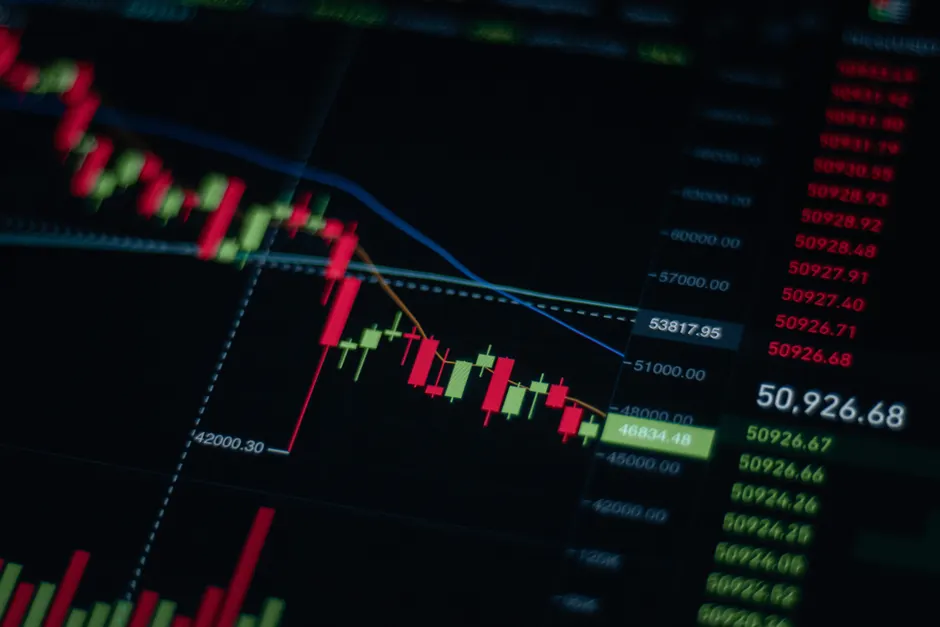
South Korea's Kospi index fell 20% from its June peak on July 7, 2026, crossing the technical threshold that defines a bear market. The slide had been building for two weeks, but the confirmation marks a formal shift for traders and anyone tracking Korean stock exposure.
The immediate cause was a semiconductor selloff that began weeks earlier. On June 23, the Kospi dropped 9.99% in a single day — its sharpest decline in more than three months — with major chip makers SK Hynix and Samsung Electronics both sinking over 12% before trading halted for 20 minutes. Bloomberg and Reuters reported that the crash combined two pressures: weakness in tech stocks globally, and a warning from Korean regulators about the risks of leveraged ETFs. These are investment products that amplify market moves both up and down, and they attract outsized retail interest in Korea relative to other markets. When forced selling happens in leveraged funds, it can trigger a cascade: losses mount, margin calls force more selling, and the index drops harder than fundamentals alone would explain.
The chip weakness didn't end there. By July 2, another round of semiconductor losses spread through the Korean market as the broader AI-hardware trade came under pressure. Over the next five days, the cumulative effect pushed the Kospi down the full 20% from June's record, and South Korea's finance minister made a public statement once the bear-market line was crossed.
The wider context matters here. The Wall Street Journal noted that Korea's decline is part of a broader pullback across Asian stock markets, tied directly to how the AI-led rally that drove gains through spring has lost momentum. The Kospi's drawdown isn't primarily about Korean company performance. It tracks memory-chip pricing expectations and how much investors are willing to pay for the AI-infrastructure firms that Samsung and SK Hynix supply.
For anyone managing risk in Korean equities, the mechanics of June 23 warrant attention. A near-10% single-day move triggering a halt is a tail event even for the Kospi's historically volatile standards, and the fact that it coincided with a regulatory warning on leveraged ETFs suggests market structure amplified what might otherwise have been a routine sector correction. Volatility over the past two weeks has likely exceeded historical norms by a wide margin, with direct effects on margin requirements for leveraged and inverse products.
What remains unclear is whether the 20% bear-market threshold marks the end of selling or a waypoint on a longer decline. The finance minister's response appears to be a policy reaction to the crash rather than a market signal. The bear-market label itself is backward-looking — it describes losses already incurred, not what comes next. The critical thread to monitor is the global AI-hardware trade. If chip pricing stabilizes and investment in AI infrastructure picks back up, Samsung and SK Hynix have the scale to lead a recovery. If not, Korea's heavy concentration in a handful of semiconductor names means the index has little else to cushion further losses.


