Nirva Raises $25M for a Pendant Built to Hear Only Its Wearer
Nirva has raised $25 million in a pre-Series A round, bringing its total funding to $33 million, including $8 million raised earlier this year, according to TechCrunch.
The startup was founded in 2025 by Wei Lyu, Jason Chen and Hanying Hu. Lyu and Chen are former Meta Reality Labs employees, from the division of Meta that works on virtual and augmented reality. Earlier investors include Lightspeed and South Park Commons.
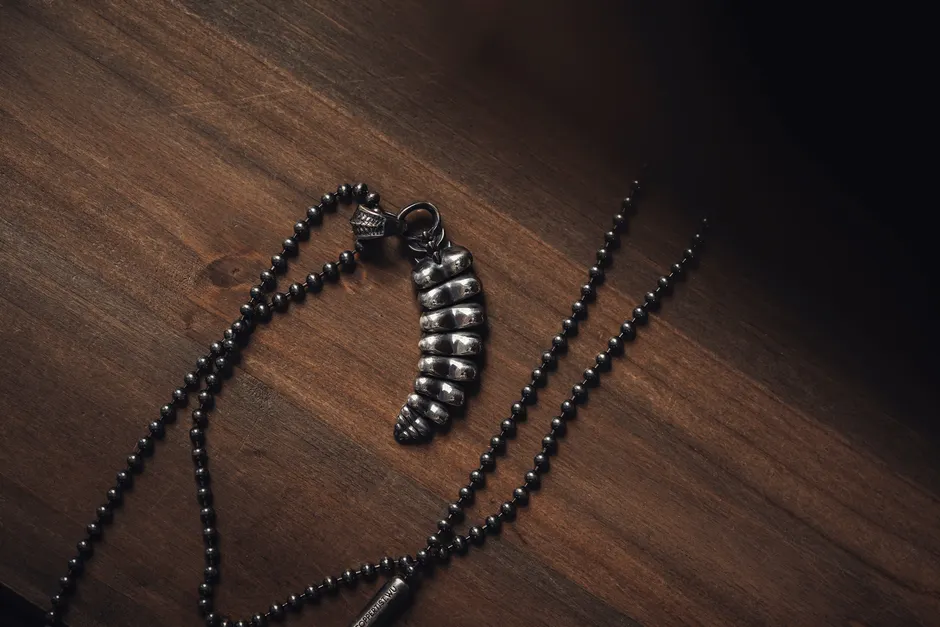
The company's first device is a pendant that can also be worn as a bracelet. It weighs around eight grams, and its battery lasts up to three days on a single charge. Its form factor places it in a small, body-worn category, where the microphone sits close to the wearer's mouth.
The central design claim concerns audio capture. Nirva says the device is designed to listen only to the wearer's own speech and filter out the voices of other people nearby. To make that work, users record snippets of their voice during onboarding. The company uses those recordings to build a model personalised to each wearer, a process known as speaker enrollment. Enrollment is a required part of setup, not an optional calibration step.
On data handling, Nirva by default does not keep audio data or transcripts after it processes conversations. That default sets the company's baseline position on retention.
In my view, the two privacy questions here are separate, and the announcement addresses only one of them. Not retaining audio or transcripts limits what sits on a server after a conversation ends. The onboarding voice samples are a different asset: a persistent, speaker-specific model input. How long they are held, where they are processed and who can access them are questions an enterprise buyer or a privacy-conscious user will want answered before trusting the device.
The broader context is a product category that has tried to solve bystander capture for some time. Always-on recording devices raise consent problems for everyone within earshot, not only the person wearing the device. A pendant that isolates its wearer's speech and discards other voices by design changes that equation, at least in principle. Whether the filtering holds up in a loud restaurant, a crowded train or a conversation with several people talking at once is the technical test the announcement does not yet settle. That test will determine whether the design works outside a demonstration.
If the filtering performs as described, the practical gain is narrow but real: a body-worn assistant for note-taking, memory aids or meeting recall that does not sweep up the conversations of people who never agreed to be recorded. That kind of restraint is less common in this category, and it is the part of the announcement worth watching as the product moves from funding news to hardware in users' hands.
The $25 million round is an announcement. What it establishes is a specific set of design commitments (wearer-only listening, personalised enrollment, no default retention) that the company will need to demonstrate in deployment.