Amazon's Blink Upgrades Its Doorbell Camera With a Wider View and Smarter Detection

Amazon's Blink Upgrades Its Doorbell Camera With a Wider View and Smarter Detection
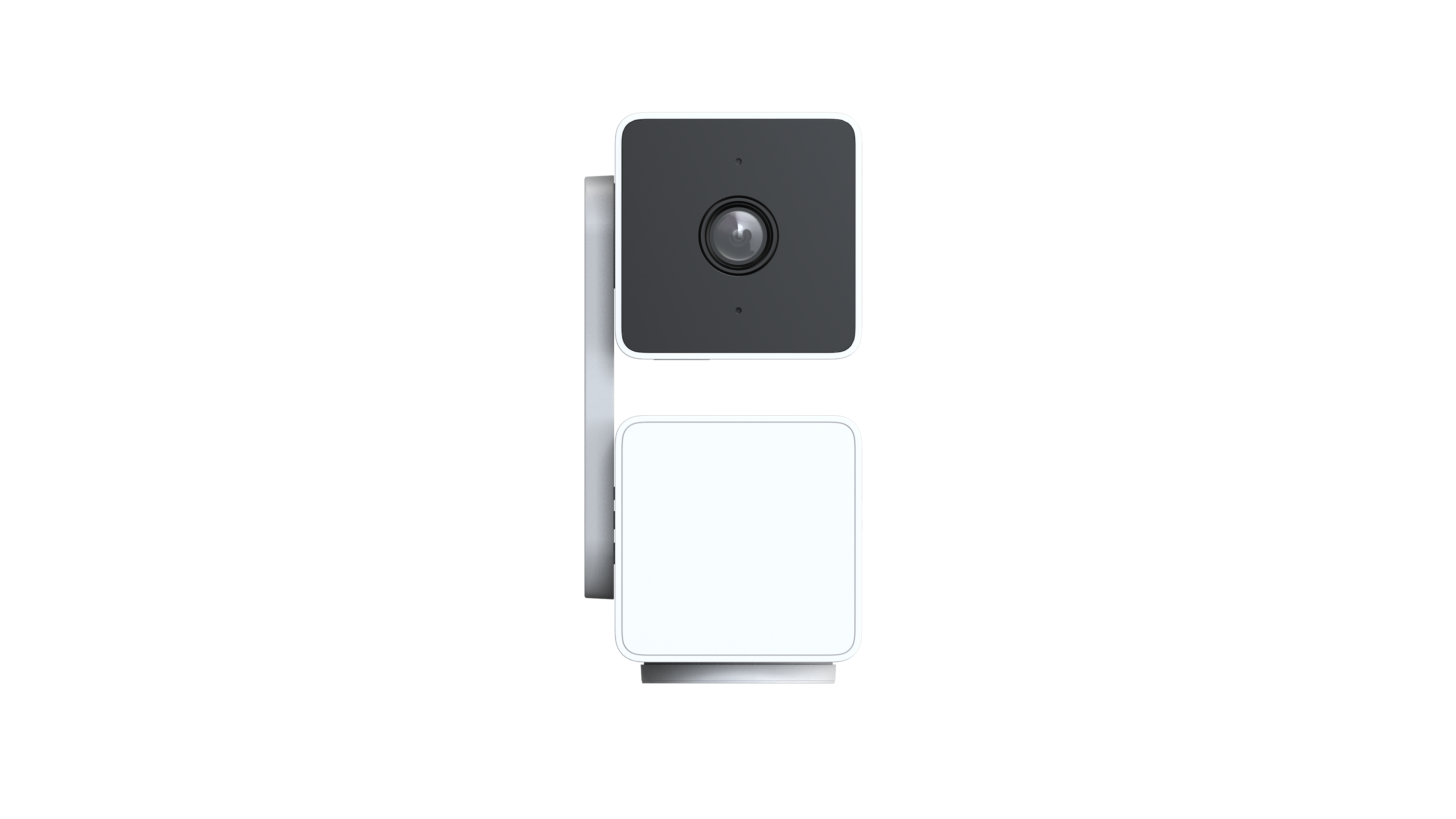
Amazon-owned Blink introduced new smart home devices on Thursday, with the headline being an updated Video Doorbell that expands the field of view to 150 degrees while keeping the company's signature approach: power from three standard AA batteries, no wiring required.
The new Blink Video Doorbell costs $69.99 and runs on AA batteries, making it wire-free—a selling point in a market where most competitors either need to be hardwired into your home's electrical system or rely on proprietary (company-specific) battery packs. The camera captures a head-to-toe viewing angle at 150 degrees, notably wider than the 120-130 degrees you typically see in competing doorbell cameras.
How Blink Chose Batteries Over Power Cords
Blink's commitment to AA battery power is a deliberate tradeoff. Alkaline batteries don't power continuous recording, but they eliminate the need for an electrician and reduce the hassle of maintenance over time. This approach has worked well for Blink's outdoor cameras, where users accept seasonal battery swaps in exchange for simple installation—no drilling, no hardwiring, no professional help needed.
The 150-degree field of view solves a real problem. Standard doorbells often miss packages placed to the side of your door, or fail to capture the full body of someone standing close to the entrance. The wider angle should reduce these gaps, though the actual results depend on how high you mount it and the shape of your door frame.
The doorbell also detects people—a feature that helps it ignore passing cars or blowing leaves and focus on actual visitors. How this works remains partly unclear. It might process images on the device itself, or it might send data to Amazon's servers for analysis. This distinction matters because local processing means faster alerts, while cloud processing might require paying for extra features.
Where Blink Fits in the Market
At $69.99, the Blink Video Doorbell slots into the budget-friendly tier. Ring's wired Video Doorbell runs $64.99, while Ring's battery-powered version costs $99.99. Blink is targeting people who want wire-free installation without the premium price tag.
The smart doorbell category has matured since Ring essentially invented it in the mid-2010s. What started as a novelty—a camera you could check remotely—has become a practical tool for managing deliveries and monitoring your front porch. Now the segment competes on video quality, AI smarts, how well it fits into your existing smart home setup, and total cost including any subscription fees.
Amazon owns both Ring and Blink, which lets the company serve different customers without one brand cannibalizing the other. Ring appeals to people willing to pay more upfront for advanced features and professional monitoring. Blink focuses on people who prefer DIY installation and lower overall costs.
A Pattern Familiar From Other Tech
This refresh follows a well-worn path in consumer electronics. We saw it with early smartphone cameras that obsessed over megapixel counts before manufacturers figured out that low-light performance and computational tricks mattered more. We saw it with early smart speakers that focused entirely on voice recognition before expanding to multi-room audio and smart home control.
Doorbell cameras specifically have evolved from basic motion alerts and fuzzy video to sophisticated computer vision, clear two-way audio, and connections to delivery apps and neighborhood watch systems. What began as a digital peephole has become woven into how people manage packages and monitor their homes.
What These Devices Actually Enable
Blink devices connect to Amazon's Alexa ecosystem and can trigger automated routines—like turning on porch lights when motion is detected or announcing visitors through Echo speakers throughout your home. As you accumulate smart devices, these automated responses become more useful and integrated into your daily routine.
The subscription model shapes the real-world cost. Blink offers basic local storage through a sync module, but charges for cloud storage and advanced AI features. The pricing and feature limitations of these subscription tiers will ultimately determine how much the device costs you over time if you want more than basic motion recording.
What Remains Unclear
The product announcement left some technical questions unanswered. Resolution and frame rate will determine video quality. The wireless connectivity standard affects how reliably the doorbell communicates with your Wi-Fi, especially in homes with a lot of wireless interference. Battery life estimates under real usage—factoring in the power demands of the wider viewing angle and person detection—will influence how often you swap batteries and overall satisfaction.
Mounting hardware and weatherproofing matter for durability, especially in climates with temperature swings or harsh weather. Blink's devices have generally held up well outdoors, though doorbell installations face different exposure than wall-mounted cameras.
Power management becomes trickier with the wider viewing angle. A larger sensor typically demands more processing power and faster battery drain. Blink's engineers likely implemented tricks like recording only when motion is detected and aggressive power-saving software to keep battery life acceptable, but real-world performance will depend on factors specific to each installation—Wi-Fi signal strength, how active your front porch is, and so on.
The broader context here suggests Amazon continues to view smart home security as a market worth investing in, even as the initial excitement has settled and competition has grown fiercer. The Blink product update indicates confidence in the battery-powered approach and points to the company seeing growth potential in the affordable segment of the doorbell camera market.
Watch for user reviews and real-world battery life reports once the device ships. Those details will tell you whether Blink has genuinely solved the coverage and convenience problems that motivate doorbell camera purchases in the first place.