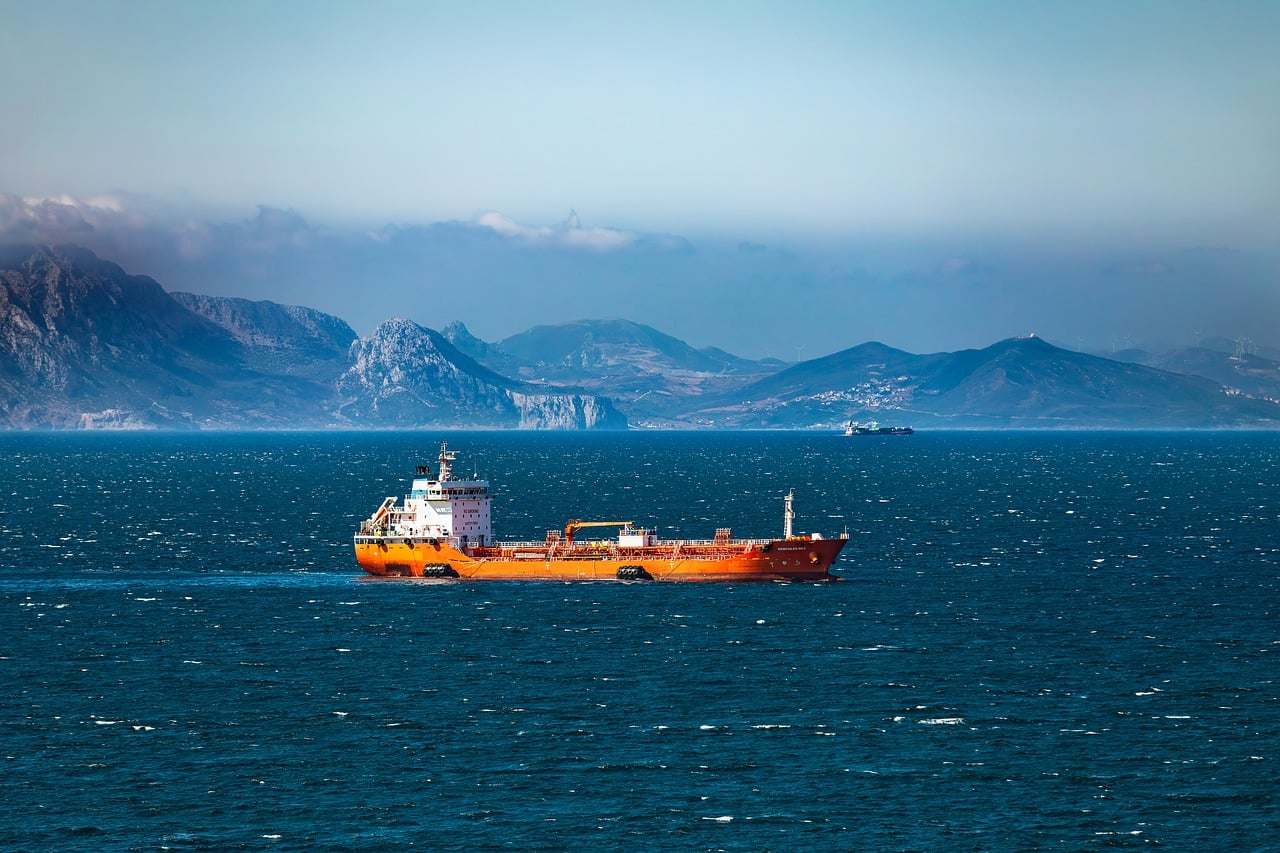
Oil Nears a Five-Month High as Tanker Rates Add a Second Squeeze

Global oil prices were approaching their highest levels since the U.S. and Israel began the Iran war on Thursday, October 22, 2026, as soaring tanker rates lifted the cost of moving crude. The Guardian reported the same day that prices had jumped to a five-month high. Bloomberg reported that oil advanced after deadly attacks in Saudi Arabia raised concerns that escalating Middle East hostilities could hit supply.
The move follows a volatile stretch. In the first weeks after the U.S.-Israeli attacks on Iran, oil surged past $100 per barrel, and Bloomberg reported in early October that prices remained above that level. On October 11, Reuters reported that Brent crude futures, the global benchmark contract for oil, settled up $1.93, or 1.8%, at $106.65 a barrel, the highest settlement since September 15. A settlement is the official closing price for the day. Brent settled at $106.06 on October 14. On October 15, U.S. West Texas Intermediate (WTI) futures, the main American benchmark, settled up $2.88, or 3.03%, at $97.97. Prices were little changed on October 21 as investors weighed possible progress toward Russia-Ukraine talks.
Freight, the cost of shipping crude by sea, has become a central part of the story. Supertanker daily charter rates hit a record $1.4 million per day on Persian Gulf-to-Asia routes, rising 40% in the first week of October, according to oilprice.com. Those rates then retreated. Reuters reported that the cost of shipping crude on the largest tankers fell during the week of October 16 from record highs, as demand eased after a wave of attacks on vessels. By Thursday, tanker rates were climbing again, according to MarketWatch.
The freight charge is large relative to the commodity itself. Reuters reported that in October, freight costs exceeded 40% of crude oil's value. An economist quoted by Reuters estimated that every $10-per-barrel increase in shipping costs adds 23 cents per gallon to gasoline. For a retail consumer, that makes shipping a direct line into the pump price, separate from the crude benchmark that headlines usually cite.
The International Energy Agency's October Oil Market Report points to a related effect in refined products. The agency said soaring freight rates and a sharp rise in the delivered cost of crude in September caused diesel cracks, the margin refiners earn over crude, for European refiners to drop back.
For refiners, a squeezed margin means higher delivered crude costs do not pass through evenly across the barrel. In my view, diesel is simply where that uneven pass-through shows up first.
In my view, the notable feature of this episode is that the transport leg, not only production or conflict risk at the wellhead, is setting a large share of the delivered price. The price swings of the past two weeks illustrate the point. Brent was above $106 in mid-October, freight rates fell sharply the following week, and tanker rates were rising again by October 22. Each move was driven by different headlines, from vessel attacks to Saudi supply risk to Russia-Ukraine diplomacy, and each reset the market's view of the next barrel.
That is the reason to treat a five-month high with some caution. A high marks a level, not a direction. Freight markets can reprice quickly when demand for tankers shifts, and the October 16 retreat from record rates showed how fast that can happen. Forecasts that extrapolate Thursday's move, in either direction, depend on how long attacks on shipping and supply disruptions persist. For savers, borrowers and investors, the practical signal is that energy costs are being set in more places than the crude price alone. The link between the Middle East and the pump runs through the tanker market as much as through the oil field.