inDrive, Pony.ai and Nvidia Plan Robotaxi Tests in Astana for 2027
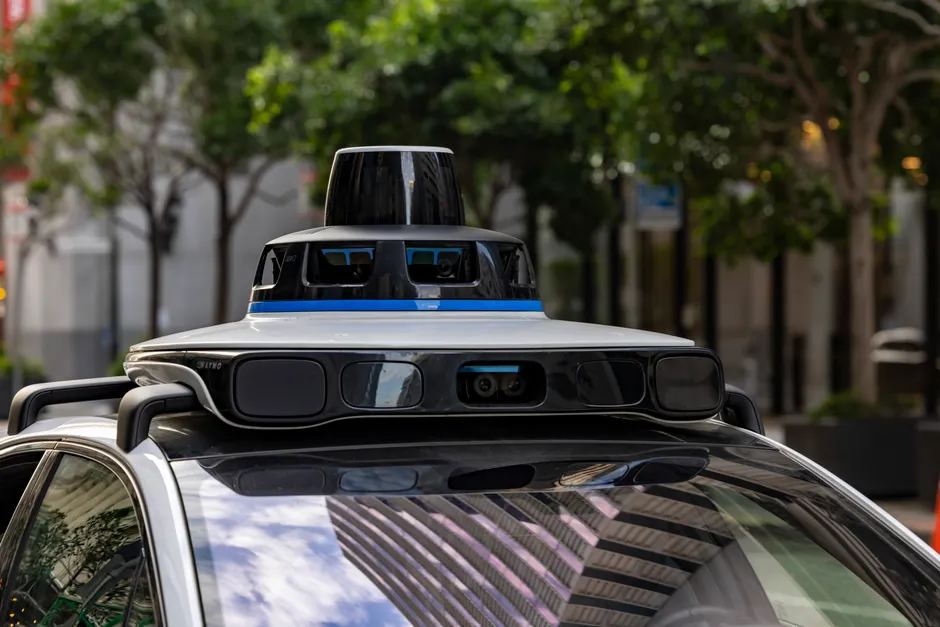
inDrive, Pony.ai and Nvidia have signed a memorandum of understanding, a document that records an intention to explore a deal, to bring Pony.ai's robotaxis onto inDrive's ride-hailing platform. Testing is planned in Astana, the capital of Kazakhstan, beginning in the first half of 2027, according to TechCrunch.
The arrangement is a proposal, not a finished deployment. The parties have not yet begun operating vehicles in Astana.
Under the proposed plan, Pony.ai would supply its Gen-7 robotaxis. inDrive would offer the vehicles through its app and operate them in Kazakhstan. Nvidia would supply AI technology, including its Hyperion in-vehicle computing platform and its Halos safety system.
The three-way split of responsibilities is the most distinctive element. The vehicle maker supplies the car. The platform supplies demand and day-to-day operations through the app. The chip vendor supplies compute and the safety stack. The integration work sits at the seams: how dispatch logic, vehicle telemetry and safety monitoring connect, and who is accountable when something goes wrong on a live trip.
Initial tests in Astana will involve a safety operator, a person on board who monitors the system and can intervene. Fully driverless rides are the eventual goal. The sequencing matters. A supervised car lets the partners collect real-world data on the Gen-7 and the Nvidia stack, while the move to driverless operation requires a separate set of technical validations and, presumably, regulatory approvals.
In my view, the ride-hailing operator's role deserves more attention than the vehicle announcement. For a platform that already matches riders with drivers, adding autonomous capacity is a question of fleet management, pricing, customer support and incident handling as much as of perception and planning software. An operator that runs the vehicles on its own network inherits the operational liability that a pure software licensor avoids. Whether inDrive can absorb that responsibility, and how the three companies will divide it in contract, is an open question.
Astana is the first market. Testing in one city under one operator gives the partners a bounded environment in which to measure performance before any wider rollout. The announcement does not address what a broader rollout would require in mapping, regulation and local operating conditions.
The broader context here is a growing number of robotaxi programs built on partnerships rather than a single company's full stack. A vehicle maker, a platform with existing demand and a silicon supplier with its own autonomy reference designs can, in principle, shorten the path from prototype to passenger service. Whether this arrangement moves from memorandum to operating service in 2027 depends on safety validation work the parties have yet to show.
If the plan holds, the practical gain is straightforward. Riders in Astana could book an autonomous vehicle through the app they already use, and the platform could add capacity without waiting for the technology to reach each market through its own channels. The tests will show whether that convenience can be delivered with the safety record a driverless service requires.


