TechCrunch Founder Summit 2026 Publishes Its Roundtable Schedule for November 4 in Boston
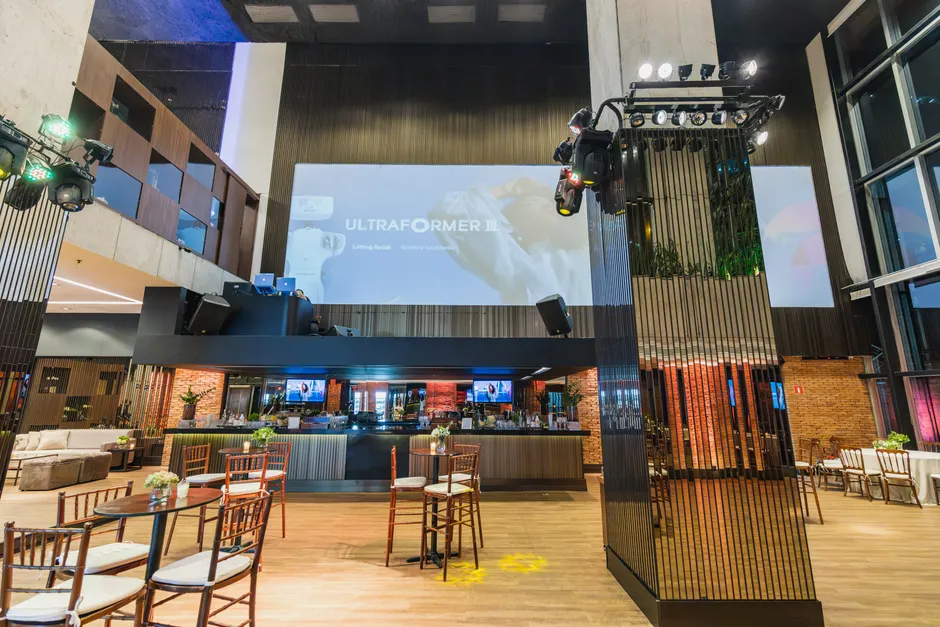
TechCrunch will hold its Founder Summit 2026 on November 4 at SoWa Power Station in Boston, and it has published the roundtable schedule for the day. The event will bring together more than 1,000 founders and VCs, according to the TechCrunch events page.
The summit is a full-day program for founders and VCs, the venture capitalists who fund early-stage companies, with a focus on practical scaling knowledge. Its format combines breakout sessions, roundtables, Braindate networking, an Expo Hall, and an opted-in investor list, meaning investors who have agreed to share their details with attendees. The summit also features session docs, audio and transcripts.
Roundtables are the smaller, more informal format. Each is a 30-minute discussion led by up to two speakers. The lineup published on October 23 puts most of them in the middle of the day, across two rooms.
The morning opens from 10:45 a.m. to 11:15 a.m. in Roundtable 2 with “How to Build Events Strategy Before You Can Afford a Full-Time Events Team,” led by Alexandra Ames, founder and chief event strategist at Blueprint Lab. From 11:30 a.m. to 12:00 p.m., two sessions run in parallel. In Roundtable 1, Chirag Shah, partner at Define Ventures, leads “Your First Vertical, and It Happens to Be the Hardest One.” In Roundtable 2, Shishir Tewari, head of enterprise data engineering at Procore Technologies, leads “GraphRAG in Action: Stop Hallucinations with Knowledge Graphs.”
The afternoon sessions move toward enterprise sales and AI product strategy. From 1:15 p.m. to 1:45 p.m. in Roundtable 2, Merve Kitapci, managing partner and CGO of ADIN.AI, leads “The Enterprise AI Playbook: How to Close L’Oreal and Vodafone Before You Raise a Series A.” From 1:55 p.m. to 2:25 p.m., Andy Tang, partner at Draper Associates, leads “Build Something We Don’t Have a Word for Yet.”
For readers less familiar with the term, GraphRAG refers to retrieval-augmented generation (RAG), in which a language model fetches outside material before it answers. It draws on a knowledge graph, a store of entities linked by named relationships, rather than or in addition to flat document chunks, which are passages cut from source files. The session title makes a specific claim about reducing hallucinations, the tendency of models to state false information with confidence. A 30-minute roundtable is a short window to test that claim with practitioners who have built with it. The session is one of only a few on the schedule that names a concrete technical approach.
In my view, the pairing of the GraphRAG session with the enterprise AI playbook is a useful one for founders. The first asks how to ground model output in structured enterprise data. The second asks how to sell that product to large buyers before a Series A round. Both questions tend to surface in the same boardroom, and the two sessions are scheduled back to back in the same room.
The broader context here is the format itself. A roundtable with two leads and a 30-minute clock favors specific questions over keynote-style overviews. Attendees who arrive with a particular problem, such as how to fund an events function that does not yet exist or how to pick a first vertical, have more to gain from that format than from a general talk. The summit’s session materials and transcripts also extend the reach of these discussions beyond the room.
The schedule gives founders with limited budgets access to operators who have run the same playbooks at scale, and that access is the most concrete thing the event offers. Whether the discussions produce the outcomes their titles promise will depend on the questions the room brings with it.


