Meta's AI Glasses Will Disable Camera If Users Tamper With Recording Light
Meta will disable the camera on its AI glasses if a user tampers with the LED recording indicator, the company announced in a blog post in July 2026. The safeguard is designed to block a workaround some owners had discovered: placing tape or other materials over the light to record video without alerting bystanders.
Meta disclosed this directly on its corporate blog under the heading "Your Questions Answered," making the company itself the source rather than independent reporting Meta. TechCrunch's July 8 coverage responds to that disclosure and traces its facts back to Meta's own account TechCrunch.
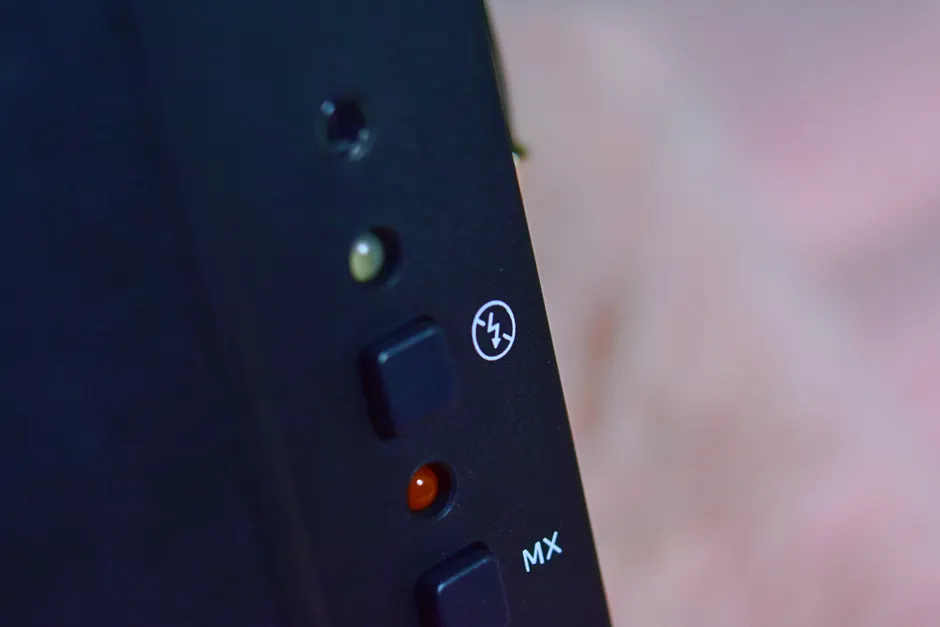
The company acknowledged that some users had taped over the capture LED — a small light near the lens that signals to people nearby that recording is active. That signal only works if it cannot be defeated. After Meta updated the glasses to stop recording when the LED was obscured, some users escalated to what the company called "sophisticated efforts to modify or destroy the capture LED."
The new safeguard addresses that escalation directly. Rather than only detecting when the LED is covered, the system now disables the camera entirely if it detects that the LED hardware itself has been altered or damaged. Meta described this as an industry first, stating that "no other kind of camera has done this and we're proud to lead the industry forward."
The engineering required here is non-trivial. A tamper-detection circuit must distinguish between an LED that failed naturally — a legitimate hardware defect covered under warranty — and one that was deliberately disabled to bypass the privacy indicator. Meta has not disclosed the exact mechanism, whether it uses current sensing, a continuity check, or another approach. What is confirmed is the result: tamper detected, camera disabled.
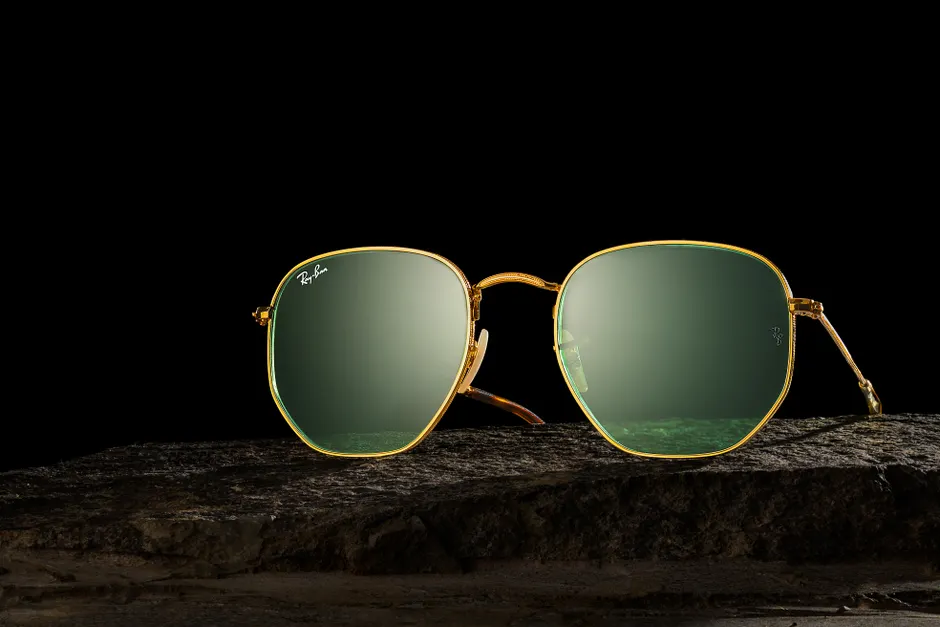
The admission itself carries more weight than the technical solution. Wearable cameras with minimal visual footprint have faced privacy scrutiny since Google Glass's public launch over a decade ago. The "Glasshole" backlash of that period stemmed precisely from the uncertainty of whether a device was recording. Meta's Ray-Ban partnership and its own AI glasses were built with an LED specifically to avoid repeating that mistake. Confirming that users found workarounds validates the original bystander-consent concern that the LED was meant to address, and it does so well after these glasses reached mainstream retail availability.
Whether this new safeguard actually closes the gap is an open question. A determined person with electronics knowledge may still find ways to defeat a tamper sensor that Meta has not fully described publicly, and security researchers will likely test Meta's claims once devices are widely available. Meta's label as an "industry first" is a competitive statement, not an independent technical audit, and other manufacturers have not yet had the chance to respond.
The wider picture involves Meta's effort to establish consumer-scale AI glasses as a normal part of everyday life—a goal that depends on the public trusting the recording indicator without doubt. Over the past two decades, each leap in camera technology—from camcorders to phones to Glass to today's smart eyewear—has shrunk the obvious signal that recording is happening. Each generation has then needed a new mechanism to restore that visibility. A tamper-proof LED is one answer. Whether it suffices will depend less on Meta's own testing than on what independent researchers and ordinary users find once the hardware is in circulation.
Meta did not disclose how many users tried to defeat the LED, or how the company detected tampering attempts. The company also did not specify when the new safeguard would reach existing devices versus only appearing in future hardware versions.