Software Rallies, Chips Slide, and the Dividend Question Behind Them

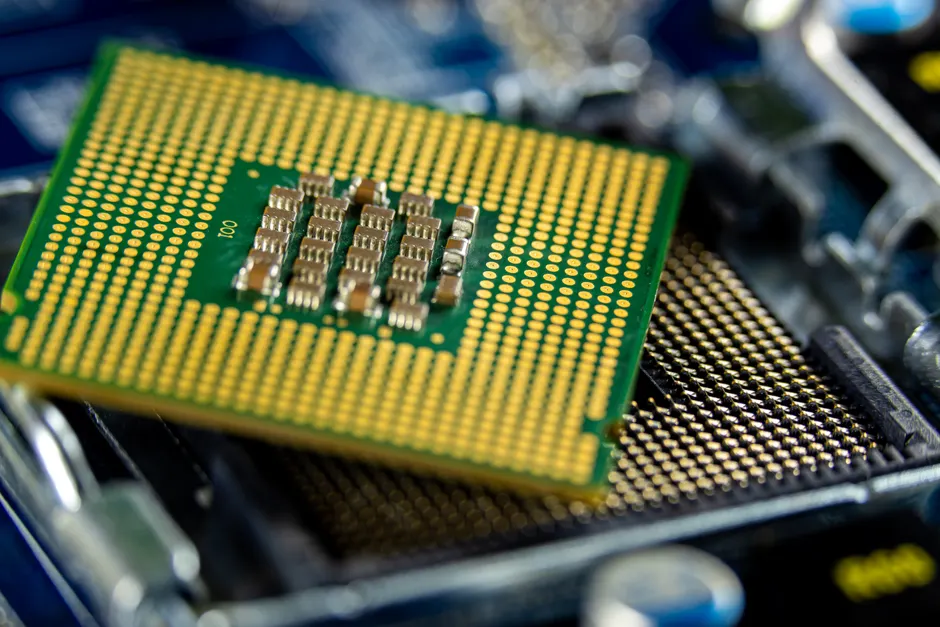
On October 24, 2026, MarketWatch published "3 Dividend Stocks From a Value Pro," reporting that software leaders had gotten a boost that week while chip stocks were hit hard amid a shifting AI investing landscape.
The split inside technology is the backdrop. The Nasdaq posted a record high close in early October 2026, according to Reuters, yet more than 200 S&P 500 stocks were down year to date even as AI shares rallied. The gap is possible because the index is cap-weighted, meaning each company counts in proportion to its market value. A handful of giants can therefore lift the headline number while most members lag. Anyone measuring "the market" by a headline index is measuring something narrower than the average stock.
Barron's published a piece on October 13, 2026 titled "Dividend Stocks Come Under Pressure. How to Fight Back." Earlier in the year, MarketWatch compared dividend yields with Treasury yields, a yield being the annual cash payout expressed as a share of the price. In that August 26 comparison, Verizon, Altria and United Parcel Service were among the companies whose dividend yields matched or exceeded Treasury bond yields. Treasury yields serve as the benchmark for risk-free income. Dividends can be cut, and share prices move in both directions.
The broader context here is that a stock paying as much as a Treasury bond is offering that income with more uncertainty attached. The useful question is what extra risk the equity carries for the same payout.
Sector flows added another layer on October 20. The Dow rose 1%, outperforming the S&P 500, and healthcare provided Wall Street's biggest boost that session, according to Reuters.
In my view, a defensive, earnings-driven sector leading a price-weighted index, where each stock counts by its share price rather than company size, sits differently from a rally led by a few mega-cap growth names. The difference matters for how much of an investor's return depends on a narrow group of stocks.
Dividend growth funds offer a different lens. As of delayed quotes on October 15, 2026, the Schwab U.S. Dividend Equity ETF (SCHD) traded at $34.12 and the Vanguard Dividend Appreciation ETF (VIG) at $242.26, per Yahoo Finance. 247wallst reported that SCHD gained 31% over the trailing 12 months and that over a decade VIG returned 255% against 245% for SCHD. By that arithmetic, $100,000 would have become $355,000 versus $345,000.
In my view, a ten-point gap over ten years is small. Both funds tilt toward dividend payers but weight the payout differently, so their results diverge more in some years than others. The ranking can flip depending on the start and end dates chosen.
Yahoo Finance also named DHT Holdings (DHT), Adams Diversified Equity Fund (ADX) and First National Bank Alaska (FBAK) among its picks for best dividend stocks in October 2026. Inclusion on a list says little about how those names will trade next quarter. A high dividend yield can reflect a falling share price as much as generous payouts.
Morningstar reported that three ETFs that struggled last year surged in 2026, powered by energy exposure, value-stock tailwinds and strong technology holdings.
The mix is the point. Energy, value and technology are not one trade, and a portfolio built on dividends can hold all three without owning the same stocks.
For savers and income investors, the practical question is where the cash flow comes from and how much of the return depends on price. A 4% yield from a company whose shares are falling is a different asset than a 2% yield from a company growing its payout. Headlines about software rebounds and chip declines show what has moved. They are less useful for predicting which group of stocks will lead next.