Fujifilm's instax mini Evo 2 adds a bigger sensor, a touchscreen and a built-in printer for $290
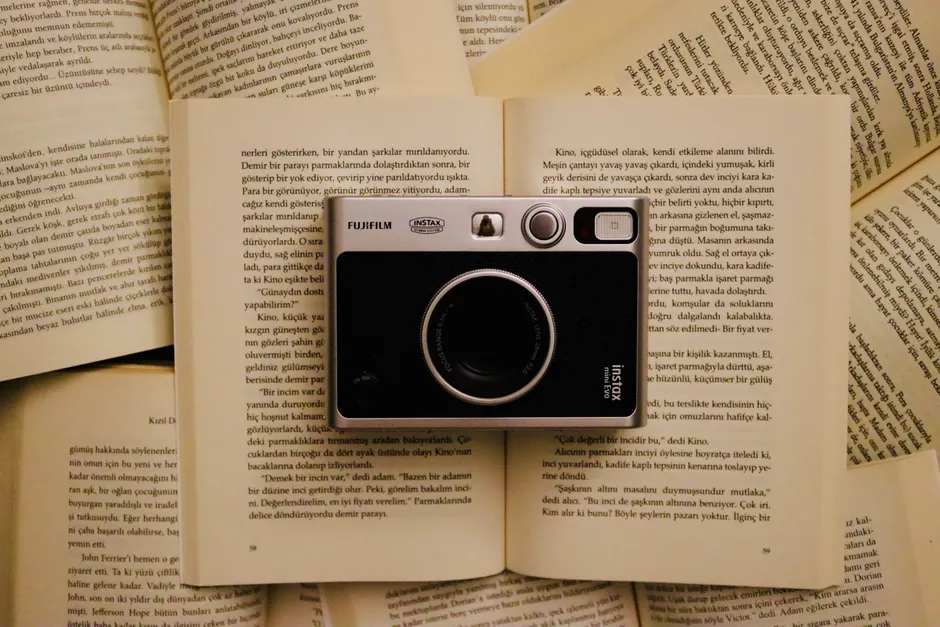
Fujifilm has announced the instax mini Evo 2, a hybrid instant camera with a built-in printer, priced at $290 and due on sale at the end of November. The Verge reported the price and availability on October 27, 2026. The camera is offered in black only.
The imaging stack is the central change over the original. The Mini Evo 2 uses a 1/2.77-inch sensor, the chip that captures light, which is larger than the 1/5-inch sensor in the first Mini Evo. A larger sensor generally gathers more light and can render more detail in dim conditions. The camera carries a 21mm lens, according to RedShark News. Exposure, white balance (the correction for the colour cast of different light sources) and flash can be set manually. The camera offers 10 film effect options and 10 lens effect options, plus an Expanded View mode that captures a wider field of view than the shooting area.
The rear panel is a 4.5-inch touchscreen display. The Verge describes it as the first Instax model from Fujifilm to feature an LCD touchscreen. Fujifilm has kept two dials and a film-inspired print lever as physical controls, so the touchscreen supplements the hardware interface rather than replacing it.
Output is split across two formats. Photos print at 2 x 3 inches in the Instax Mini format. Video is a separate feature, which Fujifilm calls instax Immersive Movie. According to Fujifilm's press release, it records the four seconds leading up to each photo. The clips are MP4 files at 560 x 992 pixels and 24 FPS, with no audio. They can only be saved to a microSD card, while still photos are stored internally. The Verge characterizes the video as basic, limited to the few seconds before a photo. The camera charges over USB-C.
In my view, the video specification is the detail most likely to shape how buyers judge the product. A 560 x 992 portrait clip at 24 FPS without audio is a narrow deliverable, and a buyer who does not already own a microSD card will need to add one to the cost of ownership. The design reads as a deliberate constraint on a camera whose main output is paper, not a general-purpose video device.
The broader context here is the shape of the category. Instant cameras have traditionally been defined by a mechanical process and a single output, the print. The Mini Evo 2 keeps that output while adding a larger sensor, a touchscreen, configurable creative effects and a short capture buffer that records before the shutter is pressed. Those features move the device closer to a digital camera with an integrated printer than to a conventional instant camera. The physical dials and print lever suggest Fujifilm wants to keep the tactile character of its film line.
For buyers, the practical questions are narrower. The camera's value depends on whether the print workflow, the effect library and the touchscreen interface justify the $290 price compared with a separate digital camera and printer. It also depends on whether Immersive Movie turns out to be useful in everyday shooting. Those answers will come from hands-on use after the late-November release, not from the specifications alone.
Looking at the whole package, my read is that the Mini Evo 2 is an incremental extension of Fujifilm's hybrid concept rather than a reinvention. The larger sensor, touchscreen and video buffer address the most obvious limitations of the first model. Whether they add up to a camera people carry for years will depend on how well the print output holds up against the rest of the device.


