Rosebank oilfield: insiders say UK targets allow approval
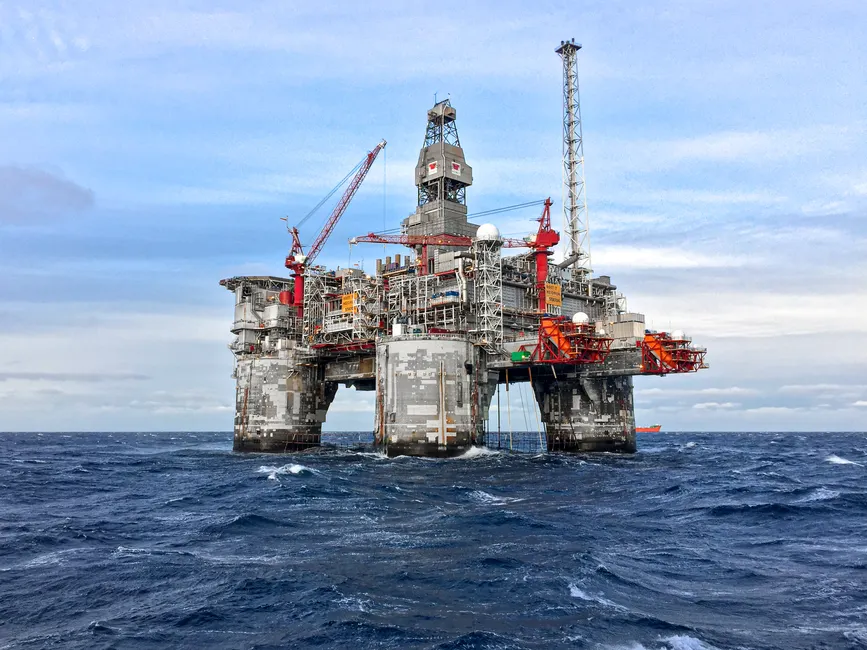
Government insiders have told The Guardian that the Rosebank oilfield in the North Sea can be approved without breaching the UK's emissions targets, the limits on the climate-warming gases the country has committed to cutting.
According to those insiders, approval is possible on a strict reading of Britain's climate obligations. Part of the reason, they say, is that emissions from burning exported oil do not count against domestic targets. Experts estimate that Rosebank could emit an additional 1 million tonnes of carbon dioxide by 2042, measured against an overall UK limit of 90 million tonnes.
The project's earlier environmental approval, known as consent, did not survive legal challenge. In 2024, a judge ruled that it had been wrongly given, because ministers should have counted the emissions from burning the oil as well as those from drilling for it.
The decision now rests with Energy Secretary Miatta Fahnbulleh. The Guardian reported that she was leaning towards rejecting the project. Earlier this month, she insisted that she, not the prime minister, will make the final decision.
Within the cabinet, Chancellor John Healey is among colleagues lobbying for approval, which puts him at odds with Fahnbulleh, according to the same reporting. Sources say the Treasury, the government's finance ministry, has already accounted for billions of pounds in tax revenue from Rosebank.
Opponents have raised other concerns. UCL climate researcher Greg Muttitt said Rosebank would generate around seven times the emissions of the Jackdaw gasfield. Greenpeace and Friends of the Earth wrote to the prime minister asking him to consider the combined effects of North Sea drilling, the expansion of Heathrow airport and grants for heat pumps, the electric devices used to heat homes. Submissions to the government have also said that lifetime emissions from Rosebank alone would exceed the combined annual carbon dioxide emissions of the 28 lowest-income countries.
The scale of the North Sea industry is also changing. A government consultation document states that North Sea oil and gas production fell by 72% between 1999 and 2023.