Weil Gotshal Hires a Bankruptcy Adviser as Senior Partners Keep Leaving
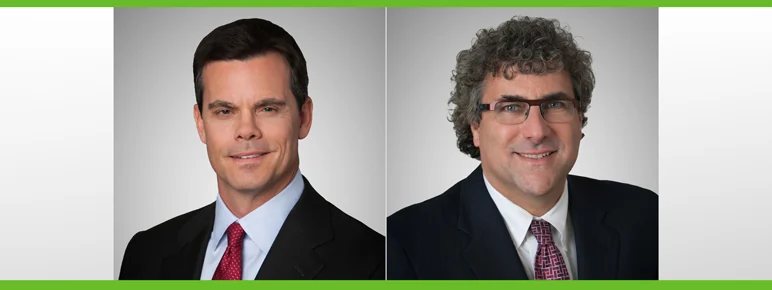
Weil, Gotshal & Manges has hired Brian Resnick, a bankruptcy partner at Davis Polk, to advise the firm on its options if its situation keeps deteriorating, according to The Wall Street Journal, which reported the arrangement on October 27, 2026.
The firm's leaders met all day on Sunday, October 25, in an effort to stabilize the firm. They spent that Sunday and the following Monday working out how to respond as senior departures mounted.
The wording of the engagement matters. Resnick is described as advising on options should conditions worsen. That makes it a plan for a scenario, not a step the firm has already taken in any restructuring sense.
The departures have been building for months. In August, the Journal reported that two groups of lawyers were in talks to leave for rival firms during a poaching frenzy, a scramble for senior lawyers across the industry. By September 10, the Journal reported that the firm was set to lose its top dealmaker and five other partners to Cravath. A later Journal report, dated October 24, said the firm was losing more top lawyers while holding merger talks with a rival. Those talks had since fallen apart.
Davis Polk's role predates the bankruptcy engagement. According to the Journal's October 27 daily briefing, the firm represented Weil in merger talks that fell through the previous week, while Weil's leaders weighed options as senior departures mounted. The same firm is now the source of the bankruptcy counsel Weil's leadership has lined up.
On the internal side, Weil announced on September 16 that Kyle Krpata and Michael Lubowitz had been named Co-Chairs of the firm's Corporate Department, effective immediately.
Leadership changes in a practice group are a common response to lateral losses, meaning lawyers who move between firms. The firm's announcement did not tie the appointments to the departures, so any link between them is an inference, not a stated fact.
For readers outside the profession, the stakes are structural. A law firm is a partnership, and its economics depend on partners staying and bringing their clients with them. When rainmakers, the lawyers who bring in the biggest clients, leave, revenue and client relationships leave too. The remaining partners absorb the shortfall in their own compensation. Associates, staff, and creditors have far less visibility into that math than equity partners do. The bankruptcy adviser's role is to model what happens to those claims if the decline continues.
In my view, the key question is not whether more lawyers leave, since departures are already continuing. It is whether the remaining partnership can hold together long enough to keep the practice intact. Lateral moves in Big Law tend to cluster, because partners who watch colleagues leave often reassess their own position. That dynamic is the variable to watch. The reported merger talks have ended, the bankruptcy adviser is in place on a contingent basis, and the firm's next moves will show whether that contingency gets activated.