SpaceX's Starlink Breaks Its Own Launch Record in First Half of 2026
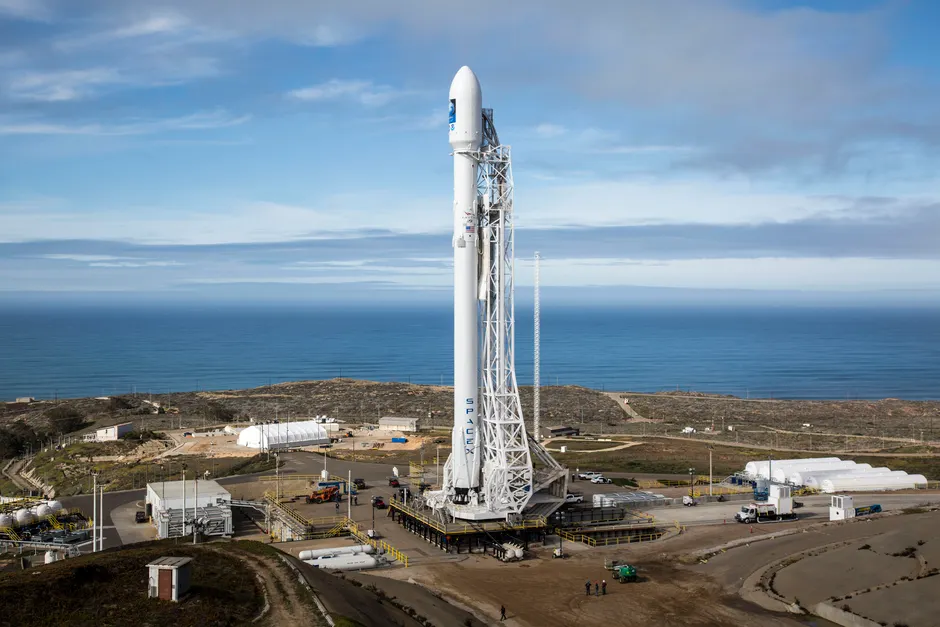
SpaceX's Starlink Breaks Its Own Launch Record in First Half of 2026
SpaceX launched 1,589 Starlink satellites in the first six months of 2026, up from 1,489 in the same period a year earlier. These figures come from Jonathan McDowell's public satellite tracker, which logs individual missions as they happen, and were first reported by The Verge. SpaceX itself did not issue a press release about the milestone.
The first half of 2026 builds on a record-breaking 2025. SpaceX deployed 3,180 Starlink satellites across all of last year, also a record for the constellation. The company has now launched more than 12,400 satellites since the constellation began in 2019, with close to 11,000 still working today. The rest have either been deorbited intentionally, failed, or worn out — which is normal for satellites in low Earth orbit that are designed to last five to seven years before being replaced.
Advanced Television independently confirmed the half-year record on July 7, 2026.
How Often Is SpaceX Actually Launching
Looking at individual missions shows how SpaceX is keeping up this pace. On May 24, 2026 — Memorial Day in the US — a Falcon 9 rocket carried 29 Starlink satellites called V2 Mini Optimized variants Spaceflight Now. SpaceX's launch schedule documents additional flights on May 26 (24 satellites), June 3 (24 satellites), June 11 (24 satellites), and July 5 (29 satellites), all using Falcon 9 rockets SpaceX. As of mid-July, SpaceX's public manifest shows more Starlink missions scheduled for July 13 and July 14, suggesting the launch tempo set in the first half continues rather than slowing down heading into the second half SpaceX.
Each Falcon 9 flight carries between 24 and 29 satellites depending on which version of Starlink is being sent up — these are the V2 Mini variant that has been the workhorse since 2023. The company has also said that third-generation Starlink hardware, which would promise lower latency and faster speeds, should begin launching sometime in 2026, though no confirmed date has been announced yet The Verge.
Amazon's Kuiper Is Falling Behind
Amazon's Project Kuiper constellation — the main competitor to Starlink for global broadband coverage — has deployed roughly 400 satellites over 15 months as of mid-2026. Kuiper's target is 3,232 satellites, which means it has reached about 12 percent of its goal after more than a year of launches. SpaceX, by contrast, fielded nearly 11,000 working satellites from a build-out that started back in 2019.
The gap between the two programs reflects launch capacity more than anything else. Kuiper uses a mix of outside launch providers — including Amazon's own Blue Origin and the United Launch Alliance — rather than its own rockets. SpaceX, meanwhile, can refly the same Falcon 9 booster dozens of times, which means it can treat Starlink deployment as a scheduling problem rather than waiting for new rockets to be built. In other words, the limiting factor for SpaceX is how fast it can manufacture and prepare satellites, not how many rockets it has. For Amazon, the constraint is different: it depends on partners to provide rides to orbit.
Amazon has not claimed it needs to match SpaceX's satellite count right away, and Kuiper's service is being designed with different coverage priorities than Starlink. Still, the deployment gap makes clear how much having your own reusable launch system speeds up constellation buildout.
The underlying shift here is that building a global LEO — low Earth orbit — broadband network has become as much about launch frequency as it is about satellite engineering. SpaceX proved this by treating Starlink launches as a cadence problem. The coming months will show whether Kuiper can narrow the gap once its launch partners ramp up their schedules, and whether SpaceX's next-generation hardware truly delivers the speed improvements it has promised.
Worth flagging: the long-term question that will outlast the current competition between SpaceX and Amazon is whether either company can keep replacing satellites at this scale without creating problems. Launching and deorbiting thousands of satellites yearly raises two real concerns — the risk of more space debris in orbit, and interference with ground-based telescopes used for astronomy. Regulators and astronomers have raised these issues with growing urgency as constellation sizes have climbed. How SpaceX and Amazon manage this balance over the next few years will matter just as much as which network reaches more users.
For now, the operational story is straightforward: two more Starlink missions appear on SpaceX's public schedule for mid-July, and nothing in the current data suggests the company is slowing down.


