GSK shares fall despite beating forecasts as vaccine sales slide
GSK's shares fell as much as 7% on Wednesday 28 October, later easing to a 5.5% drop, even though the British drugmaker reported third-quarter results that beat analysts' expectations. The Guardian said the fall reflected weaker sales and rising costs, and GSK was the biggest faller on the FTSE 100 index of leading London-listed companies at that point.
Pre-tax profit, the money left before tax is paid, fell 19% to £1.9bn in the July to September quarter. Restructuring charges, the one-off costs of reorganising a business, came to £318m in the quarter, and the company said more are to come. Turnover rose 5% at constant currency rates, a measure that strips out the effect of exchange-rate movements, to £8.9bn. Reuters reported core earnings of 54.6 pence per share.
The picture varied by product line. Specialty medicines, a group of newer, higher-priced drugs, rose 15% to £3.9bn, and HIV medicines grew 10% to £2.1bn. Vaccines slipped 2% to £2.6bn, and Reuters reported that vaccine sales missed estimates. Sales of the shingles vaccine Shingrix fell 5%, and sales of the RSV vaccine Arexvy, which protects older adults against respiratory syncytial virus, dropped 24%. The meningitis vaccine grew 12%.
GSK kept its targets for 2026. It said it still expects turnover to grow 3% to 5%, and core operating profit and core earnings per share to each grow 7% to 9%. It also declared a dividend of 17p for the quarter.
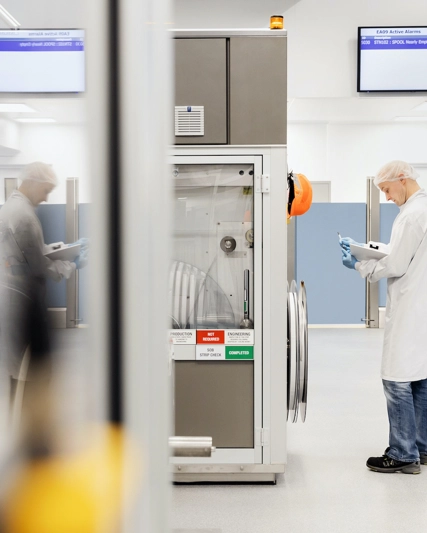
The restructuring is the largest part of the cost story. GSK said the overall programme will cost £2.4bn, with most of the charges falling in this year and next. The company is reorganising its vaccine business in Belgium, where increased automation is expected to lead to about 1,200 job losses. GSK had nearly 67,000 employees worldwide at the end of last year, according to its annual report.
Luke Miels took over as chief executive from Emma Walmsley in January. Under his leadership, GSK has announced a number of acquisitions, including a US cancer specialist valued at £7.9bn. The company has set a goal of generating more than £40bn in total annual revenue by 2031. Its HIV drug dolutegravir is due to lose patent protection towards the end of the decade, which will open the market to competing versions.