Audio-Technica's First Wireless StreamSet Headset Skips Bluetooth for a USB Dongle
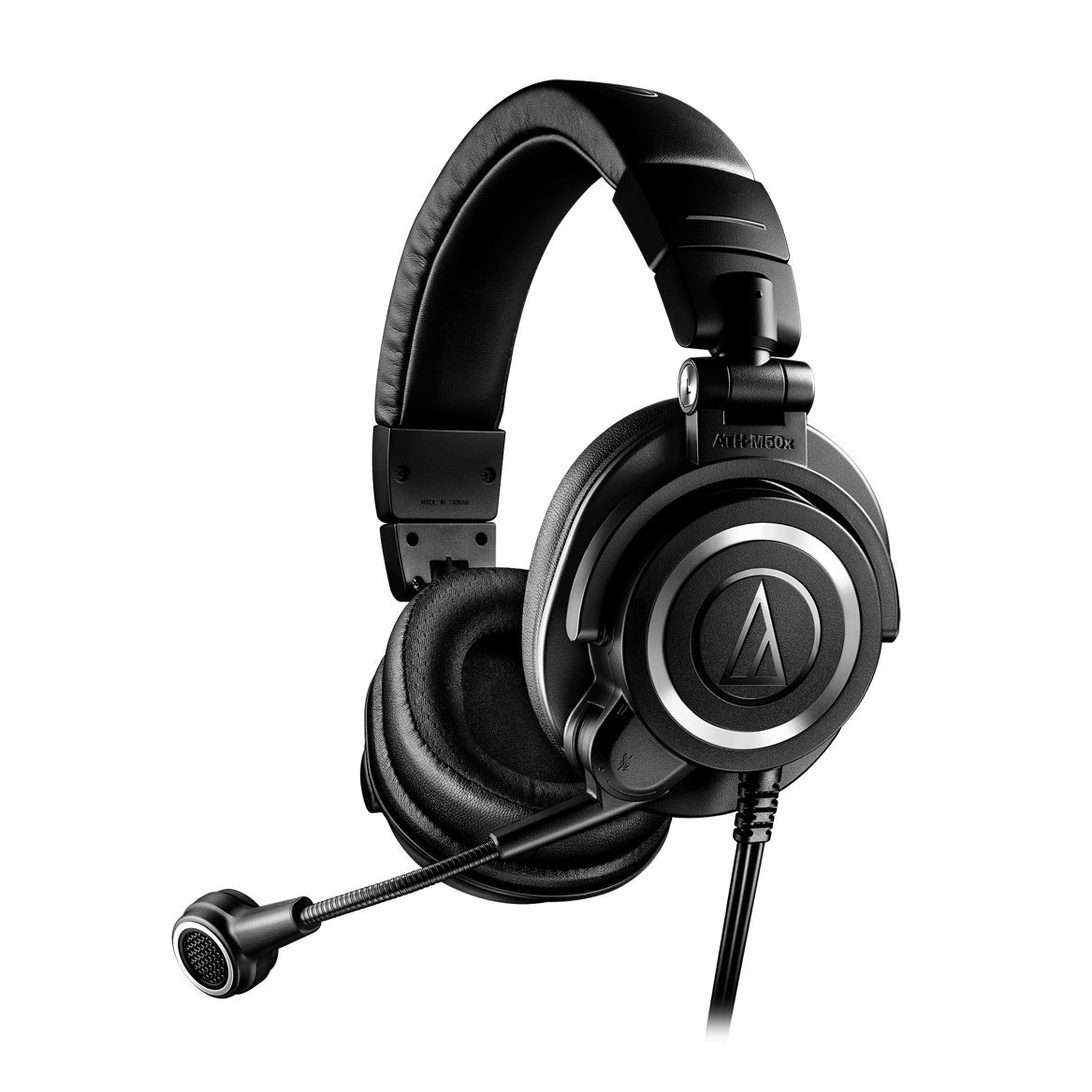
Audio-Technica has released the ATH-M50xSTS-WL, the first wireless model in its StreamSet lineup, available now for $299. The StreamSet range already includes XLR and USB-connected models. This headset is the first in the family to connect without a cable.
The headset does not use Bluetooth. It connects over 2.4GHz, a radio band also used by many Wi-Fi routers, through a small USB transceiver, or dongle. The dongle works with PCs and gaming consoles, including the PS5 and Switch 2. It is the connection point for every platform the headset supports, so it is effectively part of the product rather than an accessory.
Audio-Technica rates the battery at around 24 hours. The headset charges over USB and can run on a wired connection while it charges, so a session does not have to stop when the battery runs low. It also offers adaptive noise cancellation with two selectable levels.
The microphone is a cardioid condenser, a pickup pattern that favours sound from the front, mounted on a flexible boom arm. It mutes when the arm is flipped up. The capsule is based on Audio-Technica's 20 Series microphone design. The headphones use 45mm drivers carried over from the ATH-M50x studio monitor headphones. The kit ships with two types of interchangeable earpads, one of them a breathable mesh pair intended for long streaming and gaming sessions.
The StreamSet concept is not new. Engadget reported in January 2023 that Audio-Technica had unveiled its StreamSet wired headsets at CES, built on the M50x headphones. Audio-Technica has since positioned the M50xSTS as a headset designed for content creators. The wired ATH-M50xSTS carries a 2 m permanently attached cable with a 3.5 mm headphone input, which is the reference point for the wireless version's feature set.
In my view, the notable engineering decision here is the dongle rather than the drivers. A proprietary 2.4GHz link gives up the universality of Bluetooth in exchange for a dedicated radio path and console compatibility, which matters for anyone monitoring their own voice or game audio in real time. The cost is one more USB device to keep plugged in, and one more point of failure to troubleshoot when a session drops.
The broader context here is a creator market that has spent years working around cables and the limits of consumer wireless audio. For a streamer tied to a desk, a headset that charges, runs wired when needed and keeps a microphone on a boom arm is a practical step. Whether the 2.4GHz approach becomes a template for other StreamSet models will depend on how the product performs across the platforms it claims to support.


