Engadget Is Hiring Freelance Tech Writers Under a Strict No-AI Rule

Engadget announced on 28 October 2026 that it is recruiting freelance contributing writers to cover technology. The outlet's posting says Engadget has covered the tech world for more than 20 years and is hiring contributors for that work.
The posting sets a strict no-AI policy: writers must produce their work without AI assistance, such as generative chatbots that draft or rewrite text. The rule governs the process, not only the finished copy, and it applies to every contributor the outlet brings on.
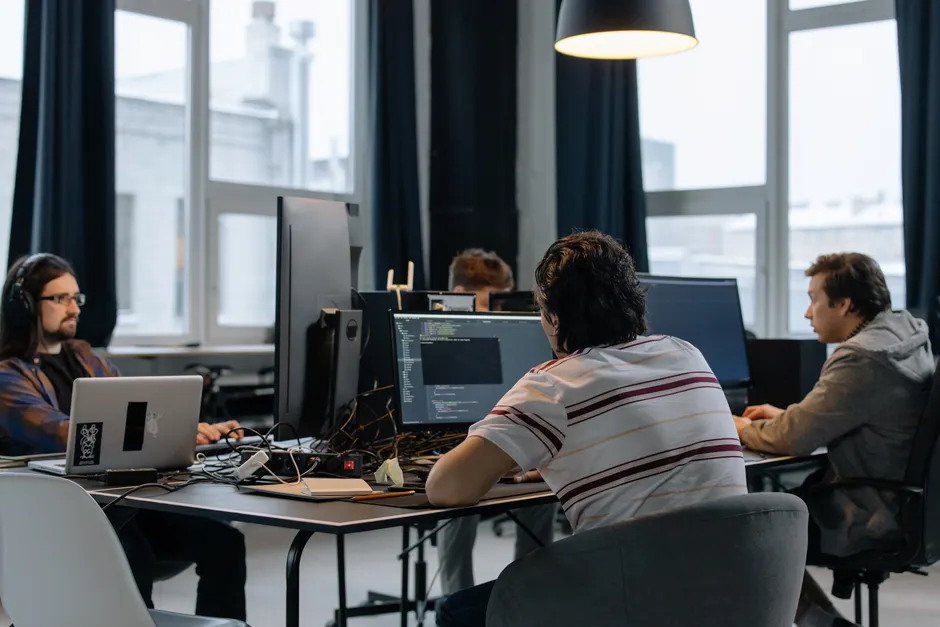
Engadget describes itself as an entirely remote workplace, with its team spread across four continents. It says it can accommodate writers in any timezone, so applicants do not need to live near a city desk or work a fixed local shift.
On pay, the posting offers flat hourly or per-word rates, with the rate varying by experience. It also states that all time spent on training or trials will be paid. A test assignment is therefore billable work rather than an unpaid audition, and freelancers can treat the trial as their first paid engagement.
The two models carry different risks. A per-word rate (payment for each word filed) ties earnings to finished copy and rewards writers who file quickly and accurately. An hourly rate pays for research, reporting, and revision, which suits longer or more technical pieces where word count understates the effort. The posting does not tie either model to a specific output expectation, so the mix of assignments will shape what the rate means in practice.
In my view, the no-AI requirement is the detail most likely to shape daily editorial work. Editors will have to decide how to check that a draft is unassisted, and that check is harder than the policy itself. Contributors will have to decide where the line falls for tools they may already use for transcription, grammar, or research summaries. A written rule is easier to hold to than an implicit norm, but it also moves the enforcement question onto the newsroom and the writer.
The broader context here is a freelance market in which many outlets have been experimenting with automated drafting. An explicit prohibition in a public hiring post makes the outlet's position easy for any applicant to find before applying. The posting does not say whether other publishers will take the same stance.
The remote, multi-continent setup could also help coverage. Contributors across different time zones may be able to pick up developments that break outside one region's working hours, and a newsroom can add hands to a fast-moving story without relocating anyone. Whether that translates into faster or broader reporting depends on how assignments are routed and how closely contributors coordinate with staff editors, details the posting leaves to the editorial team.
In my view, for writers who cover consumer hardware, software, or technology policy, the offer is concrete: a long-running tech outlet, a defined pay structure, paid trials, and a requirement that the words be the writer's own. Those terms are specific enough to weigh against other markets now.