Granola Adds System-Wide Dictation on Mac, Moving Into Wispr's Territory
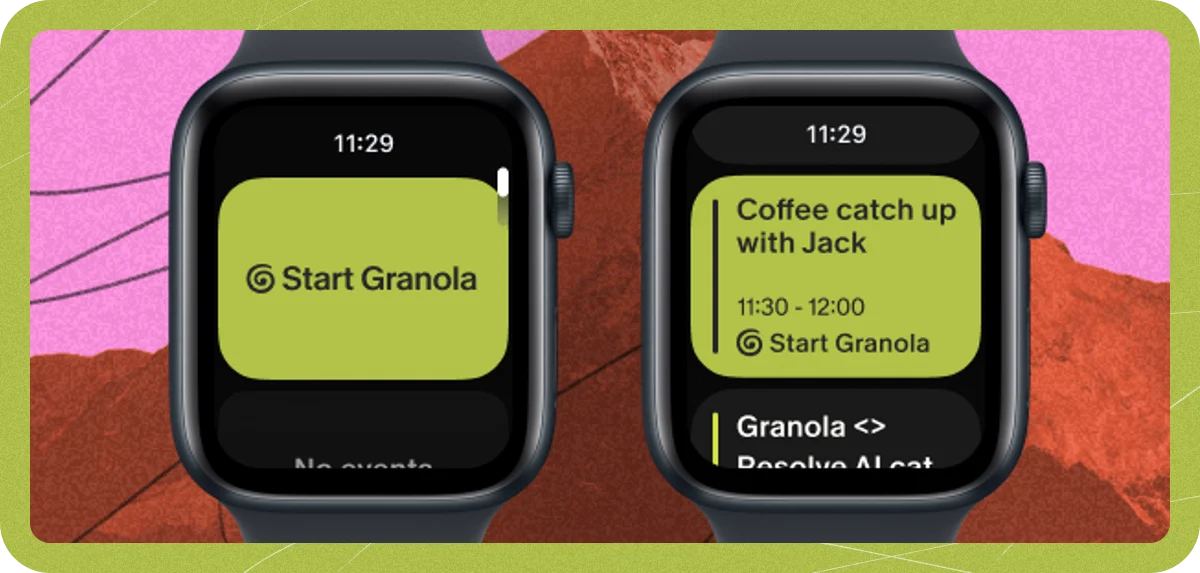
Granola launched a dictation feature on October 29, 2026, bringing its meeting notetaker into a market where Wispr has built its name. The feature currently runs on Mac only, and Granola has said it will launch on iOS and Windows soon.
Granola is known for its meeting notetaker and focuses on meeting-related automation and note-taking. Wispr came to notetaking from the other direction. It is known for its dictation tool, and it launched a meeting notetaker before Granola added dictation. Wispr's assistant is called Wispr Flow Notetaker, and Computerworld reported in August 2026 that it competes with Fireflies, Granola and Otter in the note-taking app market.
The new Granola feature is activated with the Fn key, the function key on Mac keyboards. It cleans up and formats speech, then posts the final text into the active app. Dictation works across all apps. Granola's launch covers three uses: posting notes, dictating prompts, and replying to emails and messages. TechCrunch reports that Granola is valued at $1.5 billion and Wispr at $2 billion. Wispr is also building its own models through a research lab that explores human-computer interfaces.
Granola's documentation separates the two voice functions. Chat dictation is designed for short voice questions. It is not meant for recording full meetings, and it does not start a new meeting transcription. For transcription, Granola provides an automated chat message and a Granola Watermark that tell meeting participants transcription is in use.
The two products also meet on the same Mac. Wispr's support documentation says that, as of October 25, 2026, Granola's Voice typing can interfere with Wispr Flow dictation on Mac. Both tools intercept keyboard input and insert text into the active field, a process known as a keyboard hook. Users running both will have to decide which one owns the hotkey.
The competitive field is also broader than these two companies. On October 8, 2026, Google released a local-first competitor to Granola. Local-first means the software is designed to run on the user's own device first, rather than relying on remote servers. Google's product includes a dictation tool that works with local models, which places it on a different architectural footing from cloud-dependent notetakers. Granola has also released Granola for iOS, a note-taking companion for in-person meetings that is available in the App Store.
The broader context here is that the boundary between notetaker and dictation tool is closing from both sides. Granola started with meetings and is now adding a system-wide input layer. Wispr started with dictation and added meeting capture. Google's entry shows that the same workflow can run on local models without a cloud round trip. For IT and security teams, the practical question is less which product is more accurate and more which application owns the audio path, the keyboard hook and the transcript store.
In my view, the most useful test of this launch will be how the two Mac tools coexist in practice, and how cleanly Granola's transparency features carry over to the iOS and Windows versions once they ship. Dictation that works everywhere is a real convenience for anyone who writes all day, and it removes friction from replying to email and drafting prompts. The same reach makes consent and capture boundaries harder to see, which is why the distinction between short dictated queries and recorded meetings matters.