Binance Pauses Withdrawals After Reported Hot Wallet Drain
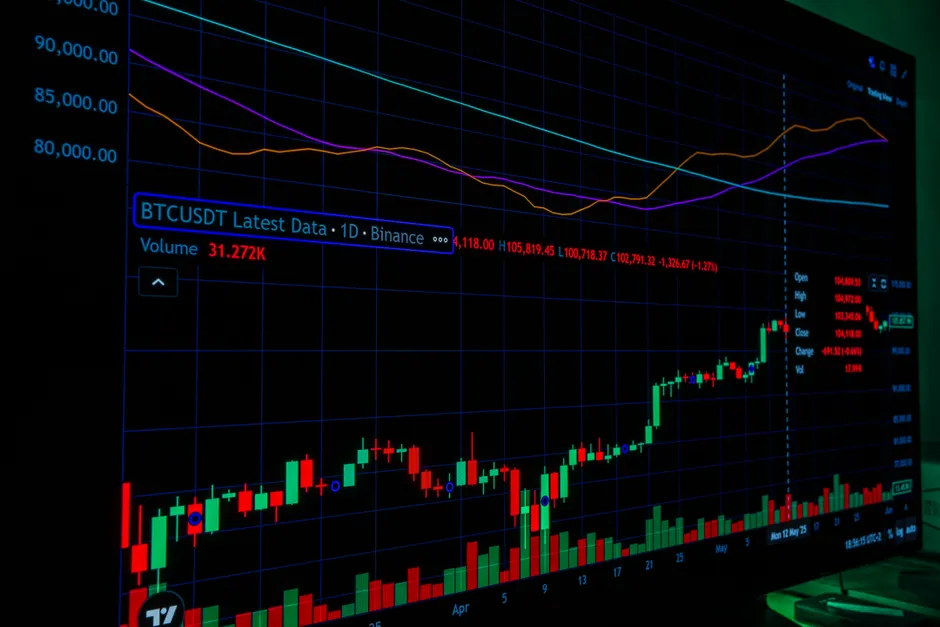
Binance confirmed to TechCrunch on October 29, 2026 that it was dealing with a security incident after users reported funds being drained from its wallets. The exchange said it had temporarily suspended withdrawals on multiple networks as a precautionary measure, according to spokesperson Ross O'Leary.
Binance said it was aware of reports of a potential security issue and was actively investigating. The company also stated that user funds are completely safe. TechCrunch Founder Changpeng Zhao said the company had likely been hacked and that he expects users' funds to be fully covered.
Crypto watchers say at least $2 billion was drained from Binance's hot wallets, and some estimates put the losses at upwards of $5.7 billion. Those figures sit well above what the company's statement describes. Tether has frozen about $1.56 billion related to the Binance hack, according to the same report.
A hot wallet is an internet-connected, key-managed wallet that funds day-to-day withdrawals. Cold storage holds the bulk of custodial balances offline, like a vault kept apart from the teller drawers. A drain of this size points to the operational wallets that sit between the exchange's custody systems and its users. Whether the compromise involved signing infrastructure, key management, or a withdrawal-processing service has not been disclosed. The withdrawal pause is the mechanism Binance is using while it investigates.
Earlier on October 29, Polymarket briefly halted trading and paused withdrawals after a third-party company was compromised. Researchers reported that around $2 million in user funds was stolen through compromised software from DebugBear. The two events are separate.
The broader context here is that a centralized service inherits the security posture of every vendor and software dependency in its stack. Both October 29 incidents involved that kind of dependency.
Binance has paused withdrawals before. In 2019, it halted them for a week after a hack that took about $40 million. In December 2022, the exchange registered $1.9 billion of withdrawals in 24 hours, according to data firm Nansen, and temporarily paused withdrawals of the USDC stablecoin during that period. Reuters reported on the outflow surge that month. Earlier that year, a Reuters investigation had found Binance served as a conduit for the laundering of at least $2.35 billion in illicit funds.
The company's security record extends beyond its own platform. In October 2022, a Binance-linked blockchain was hit by a hack in which around $100 million in cryptocurrency was stolen, and BNB Chain said BSC was temporarily paused due to irregular activity. In May 2025, Bloomberg reported that Binance and Kraken had been targets of Coinbase-like hacks that their internal policies and technologies repelled. The largest single exchange breach on record remains Bybit's 2025 loss of $1.4 billion, which was blamed on North Korean hackers.
Separate legal matters also surfaced in October 2026. Australia's federal court ordered Binance's local unit to pay $6.9 million. A Russian IT specialist was sentenced to 13 years in jail on charges of financing terrorism, a case Reuters reported on October 27, 2026.
The broader context here is the gap between the reassurance and the open numbers. Solvency and reserves can protect users in ways a withdrawal queue cannot, but the queue is where users experience the incident.
The 2019 episode ended with withdrawals resuming after about a week. Whether this one follows a similar course, or whether the scale of the reported drain changes the timeline, is not yet known.