Sunrun's Plan to Turn Home Solar Batteries Into Data Centers
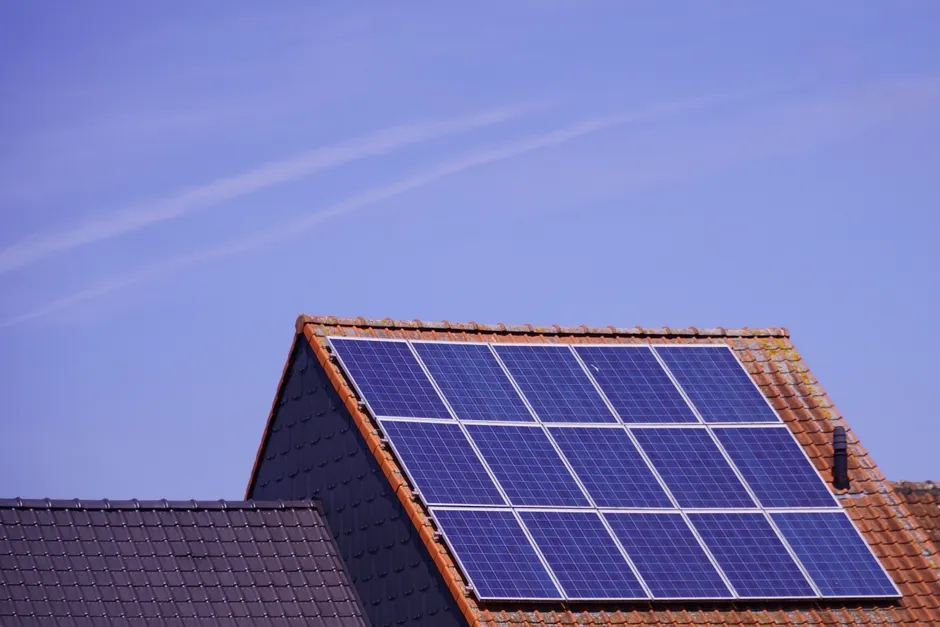
Sunrun has started a pilot program that installs AI computing hardware inside customers' homes, converting their existing solar panels and battery systems into a distributed network of processing capacity that the company plans to sell to enterprise buyers needing AI computing power.
The pilot launched on July 8, 2026, and Sunrun's stock jumped 7.30% in premarket trading that day The Verge. Yahoo Finance reports investors responded positively to the news.
How It Works
The basic concept is straightforward. Sunrun installs what it calls AI Compute Nodes — essentially small computers designed for AI processing — in homes that already have its solar panels and battery systems. These nodes run on the home's existing power setup and are engineered to operate quietly enough for a residential environment sunrun.com/compute.
Homeowners who participate receive payment for hosting the hardware and for the electricity it uses. Sunrun then bundles the computing power from hundreds or thousands of homes and sells it to companies that need AI processing capacity — primarily AI firms struggling to get computing resources from traditional data centers fast enough.
Testing and Partners
Sunrun tested this distributed computing model before launching the pilot and said the test was successful, though the company hasn't released detailed performance data The Verge. The current pilot will run over the coming months. After evaluating results, Sunrun will decide whether to expand across its customer base — which includes roughly 1.1 million homes. Interested homeowners can join a waitlist at sunrun.com/compute.
Sunrun isn't handling this alone. Tesla and Renew Home are partners on the project. Together, the three companies say they can deliver more than 16 gigawatts of flexible home energy capacity for data center and AI work sunrun.com/compute. Renew Home brings expertise in coordinating distributed batteries and power systems as a single controllable resource — a skill that existed long before AI came into the picture. Tesla contributes its battery and energy management technology, and the companies already work together through existing Powerwall installations.
The announcement came through Sunrun's investor relations channel Sunrun investor relations, framed as both a product announcement and a financial disclosure for shareholders.
Why This Matters Now
AI companies are hitting a real constraint: they need computing capacity faster than traditional data centers can be built and connected to the power grid. In many U.S. regions, utilities have multi-year backlogs for new power connections, and new data center sites compete with homes and factories for the same electrical infrastructure. Putting compute nodes in homes that already have solar and batteries sidesteps some of this bottleneck. The power generation and storage are already there, the electrical connection already exists, and a single compute node draws far less power than an entire new data center would require.
The Unknowns
Whether the economics work at scale is the question this pilot is meant to answer. Enterprise customers demand low latency (fast response times), high uptime, and consistent throughput in ways that scattered residential nodes will need to prove under real workloads. Coordinating thousands of small, distributed compute sites into something an AI company can actually use to run computing jobs is a different engineering challenge than operating a single massive data center — and that's before considering the physical security and reliability standards enterprise customers typically expect.
There's also a human factor that solar and battery companies have bumped into before: whether homeowners stay enrolled once the initial excitement wears off, especially if the computing hardware generates noticeable heat, noise, or a visible spike in the home's electricity use. Sunrun's emphasis on quiet operation hints the company already sees this as a potential problem.
The Bigger Picture
If the pilot succeeds, what matters most is not Sunrun's financial results but what it suggests about how computing infrastructure could evolve. For the past thirty years, computing has concentrated into larger and larger data centers — from individual company mainframes to cloud regions to the massive facilities run by Amazon, Google, and Microsoft. A model where unused residential solar and battery systems become sellable computing assets would reverse that trend, spreading computing capacity the way rooftop solar itself spread electricity generation away from traditional power plants.
That outcome is worth watching but not yet certain. Sunrun itself frames this as a pilot program — a test before wider rollout — rather than an inevitable shift, and that cautious framing reflects the genuine uncertainties still at play.