A Child's Death Divides West Bengal: Crime, Politics, and Communal Tensions Collide

On July 5, 2026, the body of an 11-year-old girl was pulled from a pond in Surjyapur village near Kolkata in West Bengal. Police say she was raped, placed in a sack, and thrown into the water while still alive. An autopsy found severe injuries to her head, bite marks, scratches across her body, damage to her genitals, and water in her lungs — all consistent with drowning The Hindu; The Guardian.
The discovery sparked protests across West Bengal, and police formed a special task force within a day. They arrested three people who confessed to the crime and examined a shack as a potential crime scene The Hindu; The Hindu. The girl's family said police had initially ignored their concerns when she went missing, forcing them to search local security camera footage themselves.
The case took a darker turn when the victim's religion and the suspects' backgrounds became public. The girl was Muslim. Police said the three accused were Hindu. On July 5, a local mob lynched a 26-year-old Hindu man on suspicion he was involved in the attack. The state government later declared him innocent; police had never named him as a suspect Hindustan Times.
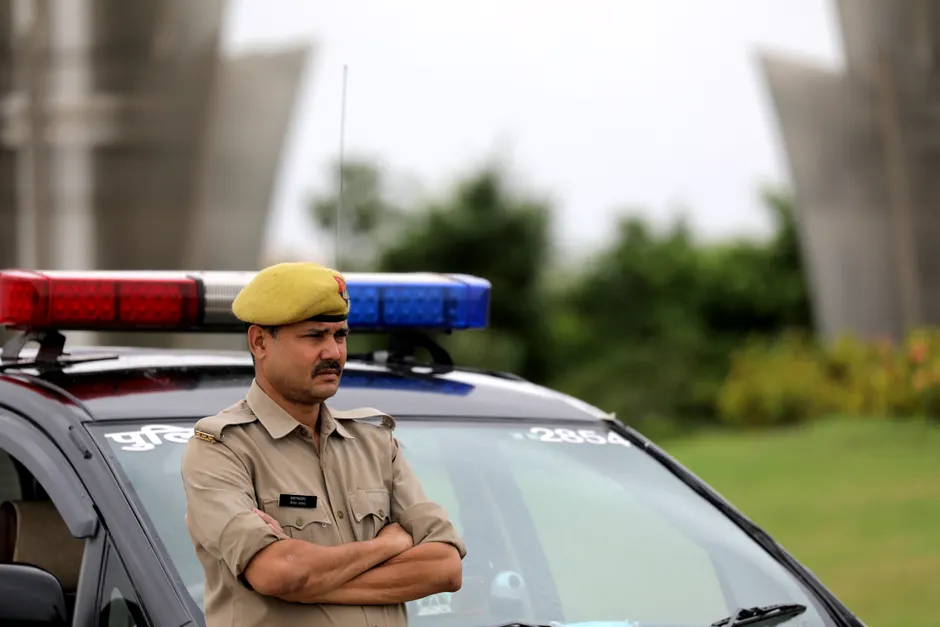
Two days later, on July 7, police shot and killed Pravash Mondal, described as the main suspect, during what officers said was an attempt to grab a gun and escape. Opposition politicians have questioned whether this shooting was legally justified. Police killings of suspects have occurred in other Indian states run by the BJP, but are less common in West Bengal.
The political dimension of the crisis runs deep. West Bengal held state elections in April, just three months before this case. The Trinamool Congress, which had governed for 15 years, lost power partly because voters were angry about women's safety — fury stoked by the 2024 rape and murder of a trainee doctor at a government hospital. The BJP's Suvendu Adhikari won and became chief minister, campaigning on restoring order and toughening law enforcement.
Adhikari visited the victim's family on July 7 and promised to pursue the death penalty for her killers. He also described the lynching of the Hindu man as having a "communal connection" and a "political conspiracy" — language that opposition politicians strongly dispute. More than 35 people have been arrested in connection with the mob violence and the broader unrest that followed. Authorities have banned public gatherings across the state and sent paramilitary troops to sensitive areas. BJP and opposition Congress workers have clashed in streets; shops have been vandalized and police officers attacked.
The tension in Adhikari's own words is worth noticing. He is calling for capital punishment for the girl's killers while simultaneously portraying the lynching of an innocent man as a conspiracy against Hindus. These two statements rest on different interpretations of the same facts — one focused on justice for the victim, the other on protecting a religious group. How the chief minister balances these two narratives will likely shape how West Bengal's opposition parties and Muslim community view the new BJP government's approach to violent crime and religious conflict in the months ahead.
In states like Uttar Pradesh, where the BJP has governed longer, police shootings of suspects have become a regular and disputed part of law enforcement. West Bengal has not followed that pattern — until now. The question facing the state is whether this killing, and the government's framing of the events around it, signal a broader shift in how order is maintained when religion enters the picture.
The investigation team's findings and the outcome of the remaining cases will determine how this tragedy is ultimately remembered. It could become a watershed moment for how the new government handles both child safety and communal relations — the very issues that cost the previous government its power.