DoorDash Has Received Only Several Hundred Orders From Third-Party AI Agents
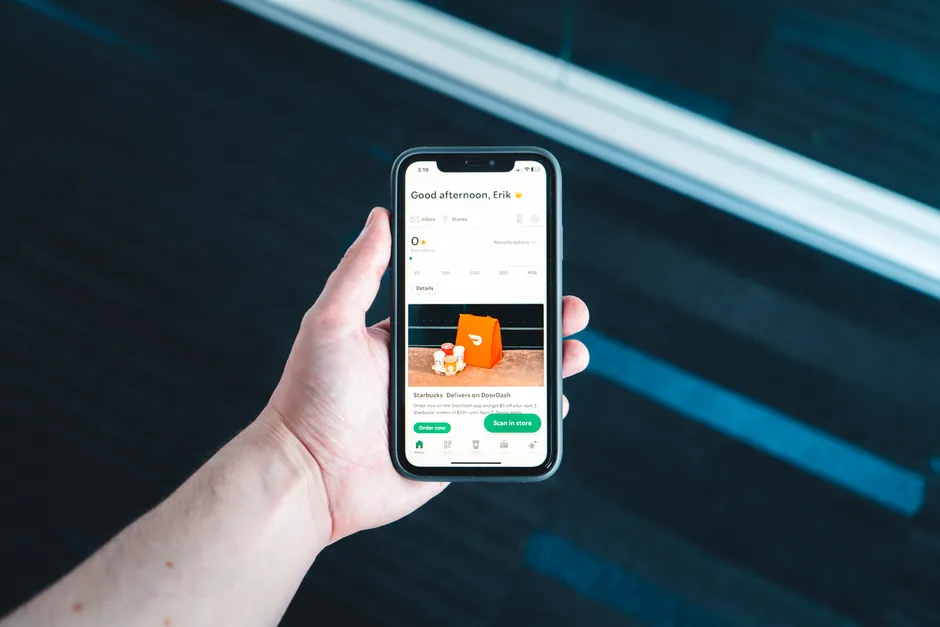
DoorDash has received only "several hundred" orders in total from third-party AI agents, including agents operated by Muse, Instinct and Fo. The figure was disclosed on the company's third-quarter earnings call, as TechCrunch reported.
Chief executive Tony Xu said users are still predominantly placing orders through DoorDash's own app. On the same call, the company described third-party agent ordering as "a fairly low use case," according to Fortune.
DoorDash said it wants to learn more about agentic use cases (AI systems that carry out multi-step tasks on a user's behalf, rather than just answering questions) and develop a healthy relationship with third-party agent makers. Xu also said there could be a future opportunity for DoorDash to advertise within third-party AI agents. Both points were framed as prospects, not as current revenue or established programs.
The company's own agent work is more developed. On September 30, DoorDash unveiled an AI agent for ordering food that works inside Apple's Messages app, per Yahoo Finance. The same day, it published its Dash Forward 2026 announcement on its investor relations site, which says employees can ask a workplace bot to find lunch, coordinate group orders and check out with corporate meal benefits.
DoorDash also introduced an ordering connector, a integration layer that lets companies link DoorDash to internal AI tools, for team lunches and office restocking. It opened a broader beta waitlist for the connector on September 30. According to a separate DoorDash release from the same day, companies can connect DoorDash to compatible internal AI tools their teams already use, or to agents they build themselves.
The broader context here is scale. DoorDash reported in its 2025 report that it completes an average of 3 million deliveries daily. Against that base, several hundred agent-placed orders is a rounding error in the company's operations, which suggests the consumer-facing agent channel is still at the experimental stage. The numbers do not indicate how quickly that will change, and the company's own statements avoid giving a timeline.
In my view, the more interesting thread is the enterprise one. A consumer asking a third-party chatbot to order dinner depends on that agent's distribution and on the user's habits, both of which DoorDash does not control. A company that embeds the ordering connector into its own tooling, with corporate meal benefits applied at checkout, is building a narrower but more controllable path. That approach puts the integration in the customer's hands and gives DoorDash a role in the workflow without requiring a third-party agent to win the consumer.
The advertising idea Xu raised follows the same logic. If agents become a meaningful place where purchase decisions begin, a platform already present inside them could sell placement there. That remains a conditional idea about a market that does not yet exist at the scale DoorDash reports for its app. For now, the verifiable state of play is a small volume of agent orders, an app that still carries most demand, and a set of products that let consumers and employers order through an assistant they already use.


