Half of 401(k) Savers Say They Would Buy Private Assets. Saying So Is Not Owning Them
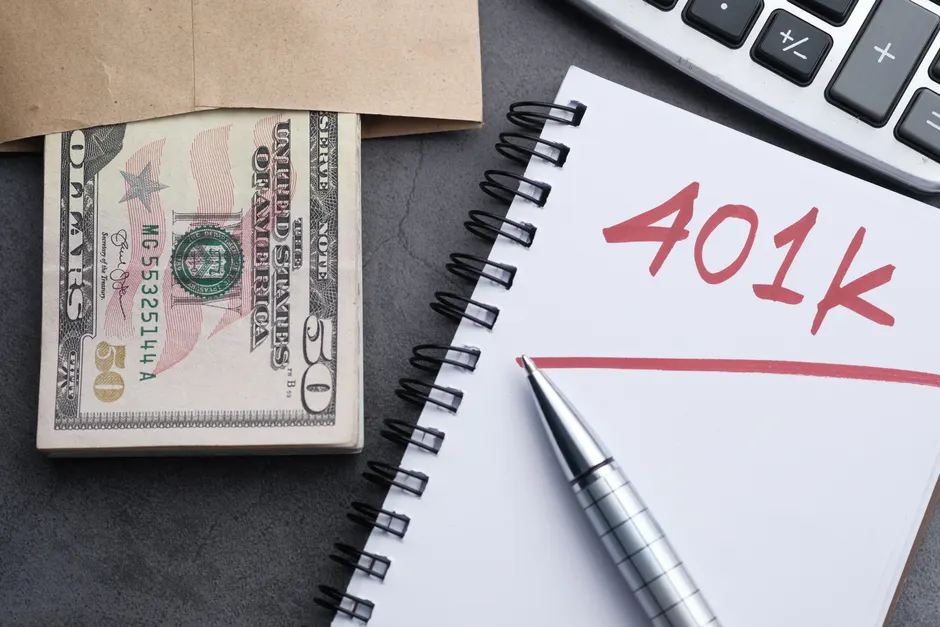
Half of 401(k) participants say they would invest in private assets if their plan offered access, according to Schroders' 2026 U.S. Retirement Survey, published October 29, 2026. The share is up from 45% in a prior measurement, per NAPA.
A 401(k) is the workplace retirement account most American employees use. Private assets are holdings that do not trade on public stock exchanges, such as stakes in private companies or private equity funds.
The number is a stated preference, not an allocation. Respondents were asked whether they would invest if given access. Whether that answer turns into real dollars in a plan's private sleeve (the portion of the account set aside for these holdings) depends on default settings, fee disclosure, redemption terms (the rules on when and how you can cash out), and how often private holdings are marked to value, meaning how often the fund updates the price it assigns them. Plan sponsors, the employers and committees that choose a plan's investment menu, will weigh those mechanics heavily before any change.
A separate figure points the same direction. Yahoo Finance reported on October 29 that 78% of plan participants believe private assets can enhance 401(k) portfolios through diversification. Diversification, spreading money across holdings that do not all move together, is the argument private markets sponsors have leaned on most. The claim concerns how a portfolio is built, not the return a saver will earn.
The policy backdrop is still in motion. A White House presidential action titled 'Democratizing Access to Alternative Assets for 401(k) Investors' was published in August 2025. In March 2026, Reuters reported that a U.S. proposal would open 401(k) plans to private equity and crypto assets. By June, Reuters reported that U.S. fund management firms had backed the proposal while others raised concerns about risk. The proposal is a plan, not an adopted rule.
Fee economics sit at the center of the debate. In April, MarketWatch published a story whose headline said high-fee private funds were 'coming for your 401(k)' and that the acting labor secretary was cheering them on. The same piece cited Warren Buffett pointing out that the arithmetic makes it almost impossible for a high-fee fund to work out. Buffett has said his preferred approach avoids high fees that erode returns, as Business Insider reported in early October. Fees compound against the saver, and a private fund must clear a higher hurdle than a low-cost index fund, one that simply tracks a market index, before it adds anything for the participant.
Buffett, who was 96 in October 2026, also warned that rising prices, rather than underlying value, had driven stock buying through 2026, according to Yahoo Finance.
In my view, that warning bears on the private side too. Entry prices in private funds are set by appraisal, meaning an outside valuation rather than a traded price, and a survey respondent who sees strong past marks may not be pricing in how those marks were produced.
For a participant, the practical question is not whether private assets belong in retirement savings at all. It is whether a given vehicle, at a given fee, with a given liquidity profile and valuation process, improves the outcome after costs. A 52% willingness figure tells plan fiduciaries (those legally bound to act in savers' interest) that demand exists. It does not tell them how the product will perform net of fees, and that is the number that will matter to savers once an option lands on their menu.