Intel Shares Drop 28.64% in One Session, on Pace for a Record
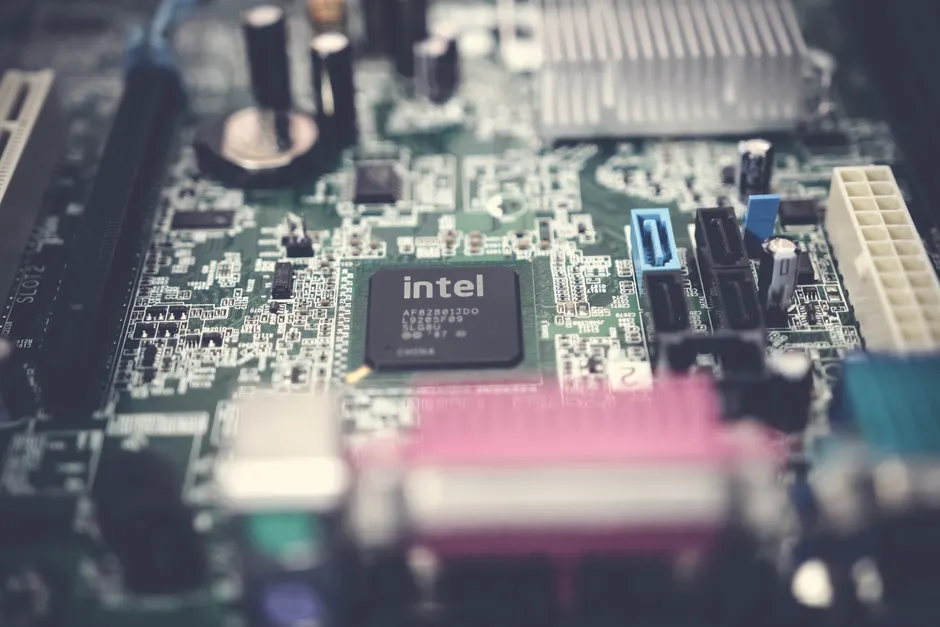
Intel shares traded at $65.70 on October 30, 2026, down $26.37, or 28.64%, according to Dow Jones via Morningstar. The decline put the stock on track for a record percentage drop for a single trading session.
Intel closed at $65.27 on April 22, 2026, per the same report, so the stock now sits about 43 cents above that level. The drop came from a much higher starting point. The $26.37 decline implies a prior close of about $92.07, so the October 30 session wiped out nearly all of the gain made since April.
The move followed a run of constructive expectations. In an October 23 Yahoo Finance preview, analysts expected Intel's third-quarter revenue to rise 21% to $16.5 billion and its earnings per share to jump 74% year over year. Those were forecasts, not reported results.
A Reuters report dated October 29 calculated that a 23% decline in Intel's regular session would shed more than $112 billion in market value. The actual October 30 decline of 28.64% is larger than that hypothetical, so by the same arithmetic the loss in market capitalization, the total value of all the company's shares, exceeds $112 billion.
For a market watcher, the interesting question is the gap between the earnings path analysts modeled a week earlier and the price investors are now willing to pay. A 74% rise in per-share earnings is the kind of growth that usually supports a higher price-to-earnings multiple, meaning the price investors pay for each dollar of annual earnings. A fall of this size is hard to square with that growth profile on its face. When a stock reprices this sharply, the usual explanations are a change in the forward outlook, a shift in how the market values future cash flows, or both.
For ordinary savers, the more immediate point is exposure. Anyone holding Intel directly, or through an index fund or sector fund, takes the same move in proportion to their position. Intel's weight in broad benchmarks is large enough that the drop can also shift the risk profile of those funds. Investors who rebalance on fixed schedules, resetting their holdings to a target mix, will see that mechanical effect whether or not they change their view of the company.
The session also tests how much faith the market places in forecasts published a week before results. Forecasts like the October 23 preview help set expectations, but they are not commitments, and a gap between forecast and price can open quickly. For anyone following the stock, the number that matters now is the one the market settles on once the new information is digested, not the consensus that existed beforehand.
Whether this session becomes a one-day event or the start of a wider reset in Intel's valuation will depend on the October 30 close, the trading range that follows, and any subsequent updates from the company.