Starbucks Plans AI-Assisted Drive-Thru Order Testing for 2027
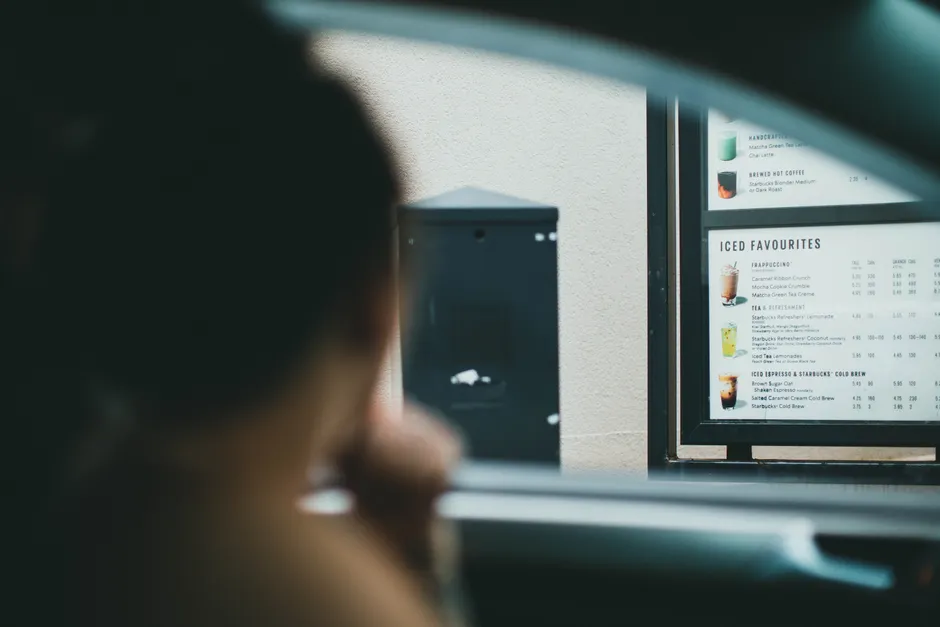
Starbucks plans to begin testing background AI models at its drive-thrus in 2027, with the aim of helping baristas enter orders more accurately and efficiently, according to The Verge.
The plans were laid out on the company's fiscal fourth-quarter earnings call on Thursday, October 29, 2026. Chairman and CEO Brian Niccol said Starbucks will explore experiences that recognize participating customers as they arrive, present personalized digital menus, and make payment more effortless. He described the personalized menu effort as early, and said the company will test, learn and scale what works.
The drive-thrus are only one part of the plan. Starbucks intends to integrate AI into the Starbucks app's search and discovery features. The company may also allow conversational and agentic ordering later, meaning customers could eventually place orders through an AI agent rather than tapping through the app's menu. Those are stated intentions, not launched features. Starbucks has, however, already begun allowing customers to place orders through ChatGPT.
On the employee side, Starbucks has rolled out Green Dot Assist, an AI-powered tool that staff can use to ask questions about recipes and service standards. The company first described the tool in a 2025 press release. Starbucks
Earlier in 2026, Starbucks launched Smart Queue, a system that sequences café, mobile, drive-thru and delivery orders. The new drive-thru and app work would sit on top of that order-orchestration layer, the software that decides how orders from different channels are routed and timed. That layer is where the operational stakes lie. Starbucks
Bloomberg reported on October 29 that Starbucks was looking into adding artificial intelligence to its drive-thrus. Bloomberg
The quarter's financials were also released on October 29. Starbucks reported earnings excluding certain items of 80 cents per share, and U.S. sales beat estimates, extending the chain's growth run. Bloomberg Global comparable coffeehouse sales rose 7.2% in the fourth quarter, according to the company's release. The company said its "Back to Starbucks" plan drove strong business momentum in fiscal year 2026. Starbucks The fourth quarter was a 13-week period, and the full fiscal year was 52 weeks. Starbucks
In my view, the drive-thru item deserves more attention than its 2027 start date suggests. Order entry at a speaker box is a tight loop. A misheard modifier or a mis-keyed size costs the customer a longer wait and the barista a remade drink, and both costs rise when lane throughput is high. A background model that drafts or checks the ticket, rather than talking to the customer, is a narrower and more testable problem than a voice agent at the window. That is probably why the company frames it as a test.
The broader context here is that the personalization and agentic ordering language points in a different direction. Recognizing a customer on arrival, serving a personalized menu, and accepting orders from a third-party assistant all depend on identity, preference data, and consistent catalog and pricing feeds across channels. Those are the unglamorous pieces that determine whether a pilot scales. Niccol's own description of the effort as early is the most useful guide to how far along it is.
For operators and engineers, the open questions are measurable: error rates against the current order-entry process, latency inside the drive-thru lane, and how often staff override the model. The company has not yet published results for any of these. The sequence so far is an order-orchestration layer already in place, an employee-facing assistant already rolled out, a customer-facing channel already accepting ChatGPT orders, and a drive-thru test scheduled for next year.
In my view, the upside, if the testing works, is easy to state. Fewer remade drinks and shorter lane times would return time to both customers and staff. That is the part of this story most worth watching.