Rescuers Recover 69 Bodies After High-Speed Train Collision in Central Spain

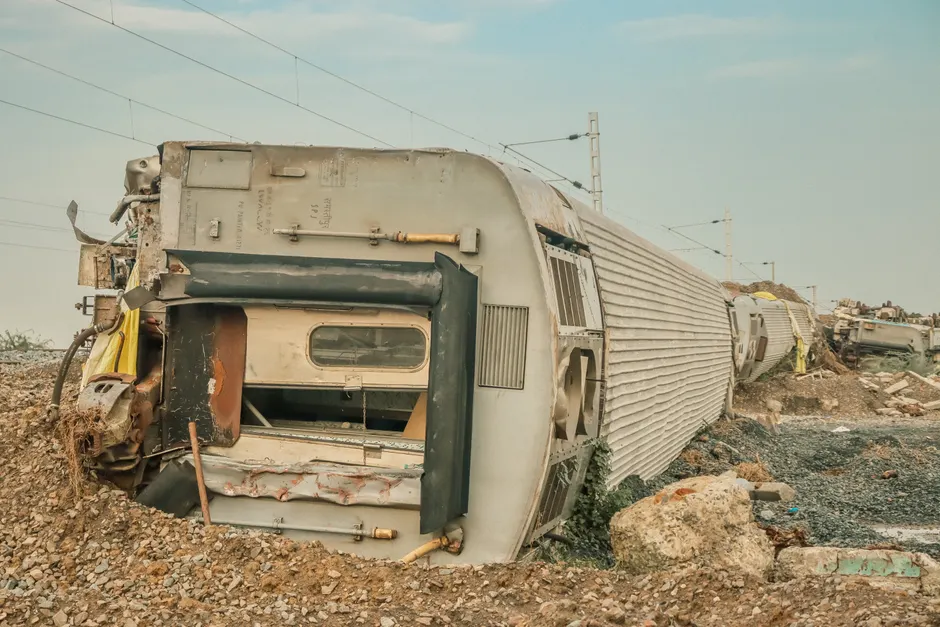
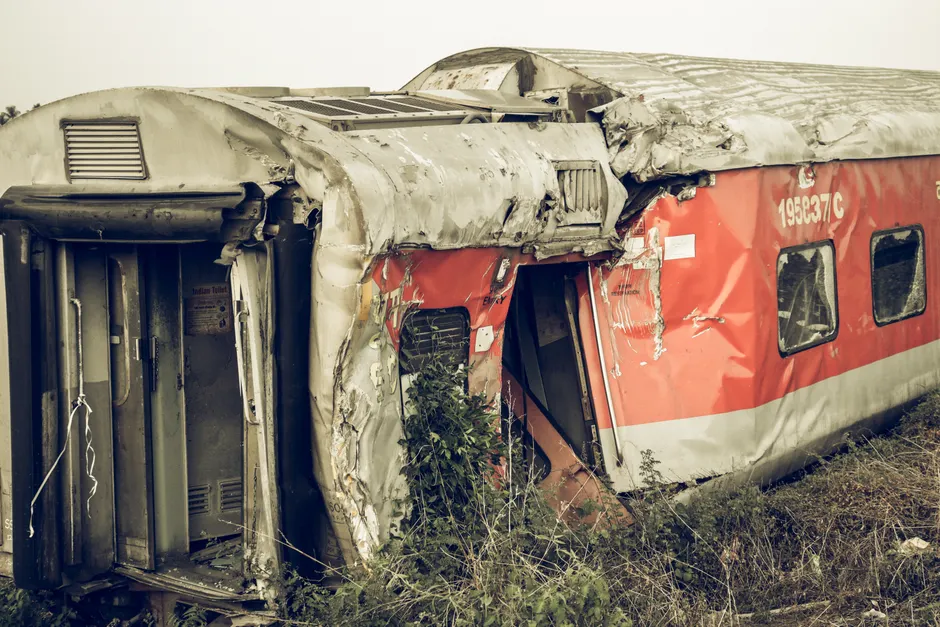
Rescuers have recovered 69 bodies from the wreckage of a collision on the high-speed rail line south of Madrid, near Urda in Toledo province, according to BBC. The crash is the second major train accident in Spain this year.
The trains involved were on the Madrid to Seville route. Renfe, the state-owned rail operator, said the service was an AVE high-speed train that left Madrid Puerta de Atocha at 08:00 for Sevilla Santa Justa, scheduled to arrive at 10:39. In a statement, Renfe expressed condolences and said all of its resources remained mobilised to help victims and their families. Adif, which manages Spain's rail infrastructure, said it was working with the emergency services at the scene.
Reuters reported that the train was travelling at 160 kilometres per hour when it struck the second train. BBC reported that a controller in the Madrid control centre had told a stalled train to restart and advance at up to 160 km/h, even though a second train was stuck on the line ahead. According to the same report, the approaching collision was visible on big screens and audible in calls in the control centre, but the advancing train was never ordered to stop.
Transport Minister Óscar Puente has attributed the collision to human error and has rejected calls for his resignation, which he did on 30 October, according to Reuters. The opposition People's Party is calling for him to step down. Puente also addressed the LZB, the signalling system Spain uses on its high-speed lines and which is also used in Germany and Austria. He said the system had failed 170 times so far this year, a rate he described as normal and close to the EU average.
The Toledo collision came nine months after two trains crashed near Córdoba in January, killing 46 people. The investigation into that accident remains open, and initial reports point to a crack in the rails. A formal investigation into the Toledo crash has only just been launched.
The crash has also reshaped Spanish politics. Prime Minister Pedro Sánchez, who leads a Socialist-led government, called a snap general election that will be held in November, weeks after the collision. He is seeking re-election. The New York Times reported that Sánchez had wanted to campaign on inequality and housing.
Sánchez has announced three days of official mourning for the Urda accident. He attended a follow-up meeting with emergency representatives at the national emergency coordination centre, known as CENEM, to review the response. He said that confidence in high-speed rail has been broken and that the government must provide solutions so that a tragedy of this magnitude does not happen again. He also said the whole state is working to support the victims' families, clarify what happened and reinforce safety.