A TechCrunch Reviewer Took Apple's Foldable iPhone Duo on Vacation and Came Home Preferring It
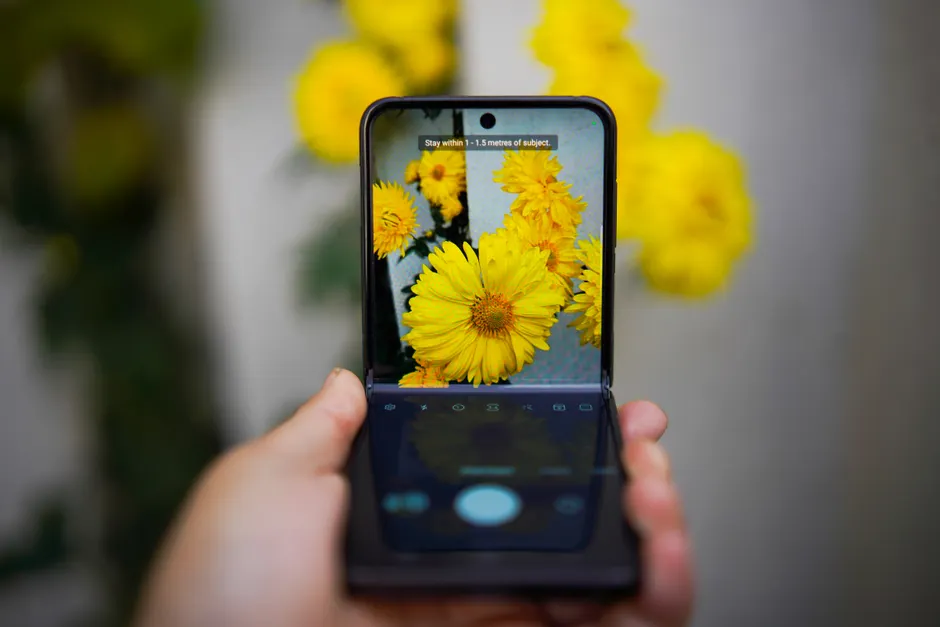
A TechCrunch reviewer who carried Apple's iPhone Duo and an iPhone 17 Pro Max on a five-day vacation came home preferring the foldable. She did not want to switch back to her other iPhone. The account, published October 31, 2026, in TechCrunch, describes the device as fun and engaging despite its frustrations. Apple provided the unit as a loaner.
Apple unveiled the iPhone Duo on September 9 as its first foldable phone. It runs on the A20 Pro chip and what Apple's developer materials describe as a reimagined iOS. TechCrunch puts the price at $2,000. Apple's product page lists pricing from $1,999 and monthly financing from $83.29. The device comes in star white and includes Touch ID, the fingerprint sensor used for unlocking.
The reviewer's durability notes stand out. She kept the phone in a back pocket countless times without breaking it. She also dropped it at least three times onto concrete, tile, and wood floors, without breaking it or cracking the screen. TechCrunch reports that the Duo fits in front and back pockets while wearing a case.
The device has a compact outer display and a large inner display. Apple's product page gives the inner panel as a 7.6-inch Super Retina XDR display. Apple says that when open, the Duo has the largest iPhone display it has made, 50 percent larger than the iPhone 18 Pro Max. Both displays include a front camera, according to Apple's developer documentation. TechCrunch notes that an app called Duo-Man uses both screens at once, a use case the outlet has already highlighted as an early application for the form factor.
On battery life, Apple's figures are up to 31 hours of video playback on the inner display and up to 44 hours on the outer display. AppleInsider, in an October 2 article, described its author's wish to replace an iPhone 18 Pro Max with a Duo, and characterized the 18 Pro Max's battery as lasting far beyond a day. That same piece described the 18 Pro Max as having three cameras. Mashable's comparison of the two devices concluded that the Duo has the upper hand for gaming and named it the winner over the iPhone 18 Pro Max in that category.
The article also reports frustrations that the headline praise does not fully erase.
In my view, the more useful question for buyers is whether the trade-offs of a folding chassis suit how they actually use a phone. A single-screen flagship offers a simpler, familiar experience. The Duo asks users to accept a different interaction model in exchange for a much larger canvas and two distinct displays. The reviewer's experience suggests that the exchange works for at least some users. Her durability and pocket-fit observations also address the most common objection to foldables, which is fragility.
The broader context here is the direction of the industry. A foldable from Apple, with a 7.6-inch inner panel, Touch ID, and an A20 Pro, puts the form factor in front of the mainstream iPhone buyer rather than in the niche where earlier foldables sat. How app design, multitasking, and accessory ecosystems adapt to two screens will depend on how developers take up the dual-display model over the coming year.


