Amazon Removes Voice Control of AUX Input on Several Older Echo Speakers
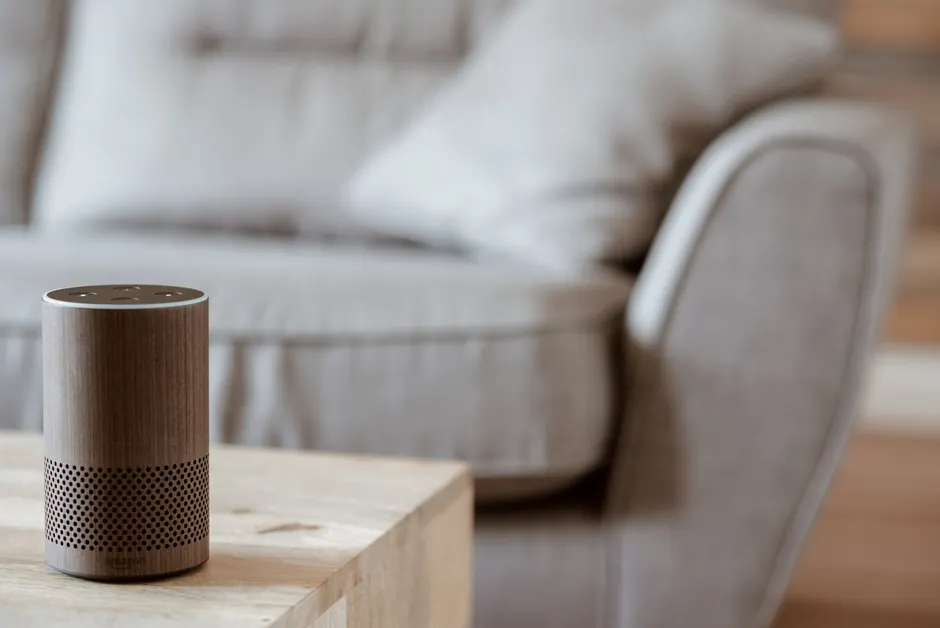
Amazon has disabled Alexa voice commands for the 3.5mm AUX input on several older Echo speakers. The phrases "Alexa, play from line in" and "Alexa, set AUX input" no longer switch affected devices to the jack, according to Engadget, which reported the change on 1 November 2026.
The affected models named in the report are the second-generation Echo Plus (2018), the third-generation Echo (2019), the original Echo Studio (2019) and the fourth-generation Echo (2020). Amazon told The Verge that it notified "the very small number of customers" who use voice requests for AUX playback.
The change removes only the voice path. The physical connection still works. A cable plugged into the AUX jack continues to function, and owners can enable or disable AUX input in the Alexa app. On compatible speakers, that means selecting the device under Devices, opening AUX Audio settings and choosing Line In. Users who relied on a spoken command now need to make that selection in the app or, presumably, on the device's own controls.
The port behaves differently across the lineup. The third-generation Echo, fourth-generation Echo and second-generation Echo Plus support both AUX input, which plays audio from an external source such as a phone or computer, and AUX output, which routes Alexa audio to another speaker or amplifier. The original Echo Studio supports AUX input only. The third- and fourth-generation Echo Dots have 3.5mm jacks that handle output only, and the fifth-generation Echo Dot dropped the 3.5mm connection altogether. Amazon's redesigned 2025 Echo Studio, as Engadget's review noted, also omits the 3.5mm input that the original model had.
That spread matters for anyone planning around the jack. A single 3.5mm port, the same connector as a headphone plug, can mean three different things depending on the model: a line-level input feeding Alexa playback, an output tapping Alexa's audio for an external amplifier, or nothing at all. Line level is the standard signal strength used between playback and amplifier equipment. Amazon's Echo Auto, a separate product, has long offered a different route into the car, using either Bluetooth or the car stereo's AUX input together with the Alexa app. That product's path was not part of the change reported on 1 November.
In my view, the scope here is narrow. The affected population is, by Amazon's own description, very small, and the physical workaround remains. What the change does illustrate is how much of a legacy analog interface's behavior now lives in cloud-managed firmware and app-side configuration. A jack that once did one thing regardless of software can have its feature set altered by an update, and the customer's hardware can keep its port while losing a voice shortcut. For users who wired a speaker into a home system and relied on saying the command, the practical fix is a few taps in the app. For the broader device ecosystem, it is a reminder that feature parity across product generations is a software decision as much as a hardware one.
For owners of the affected models, the core facts are simple. The voice shortcut is gone, the cable still works, and the switch can be made in the Alexa app.


