Apple CEO Ternus Says AI Won't Ship Just for Show, but Siri AI Is Coming
Apple CEO John Ternus said the company does not want to ship AI for AI's sake, while adding that Apple is absolutely going to use AI in its new products. TechCrunch The remarks, reported on October 31, 2026, came in an interview with Wired's Steven Levy, in which Ternus defended Apple's position in AI.
Ternus officially became CEO at the beginning of September 2026. Apple had announced in April that he would replace Tim Cook, who had led the company for 15 years. In late September, Bloomberg News reported that Ternus was weighing a broad overhaul aimed at sharpening Apple's engineering focus and running the company faster and leaner. Reuters
The product cadence in late October was dense. On October 26, Siri AI became available in more languages, and Apple gave the iPad mini its biggest update to date. On October 27, Apple introduced a 14-inch MacBook Pro with the M6 chip and unveiled a new iMac with M6. The same day, Apple Creator Studio gained new AI features and creative tools. Apple also unveiled a MacBook Pro with a PROLED XDR display.
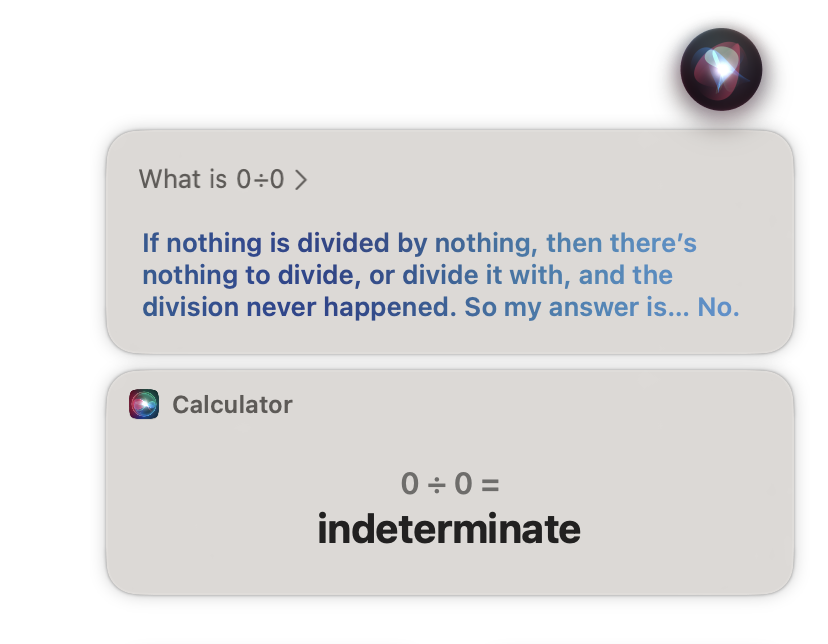
Siri is the central AI product in this cycle. Apple launched a more powerful version of Siri in summer 2026 after delaying its release. Apple describes Siri AI as an entirely new version of Siri powered by Apple Intelligence. It uses on-device processing, meaning requests are handled by the chip in the user's own hardware, alongside Private Cloud Compute, Apple's server-side tier for requests that exceed local capacity. The WWDC26 announcements added a dedicated app for revisiting conversations, an expanded Visual Intelligence experience, integrated writing tools, and a Siri mode in Camera on iOS.
The EU is where the rollout diverges. On June 8, Apple said Siri AI would not ship in the European Union with iOS 27 and iPadOS 27, citing the Digital Markets Act. Apple Newsroom EU users would still get Siri AI on macOS 27 and visionOS 27. On watchOS 27, EU users would not have access, because Siri AI on the watch requires a paired iPhone running Siri AI. Developers located in the EU would not be able to test or use the new Siri AI features for apps on iOS 27, iPadOS 27, and watchOS 27.
Apple's answer to the DMA was a proposed intermediary it calls Trusted System Agent, which would allow other virtual assistants to access the same features as Siri AI safely. Apple proposed launching Siri AI in the EU while rolling out Trusted System Agent gradually over 18 months. The European Commission did not agree to any of Apple's proposals. Apple said it had no timeline for Siri AI availability in the EU on iOS and iPadOS.
The "not for AI's sake" framing will be easiest to test by feature placement rather than by statement. The rollout ties AI features to specific hardware, specific OS versions and, in the EU, to a regulatory outcome that has not yet been settled.
In my view, those constraints shape which users get which capabilities, and when, more than any CEO interview does.
The broader context here is a leadership transition at the moment Apple is spreading AI features across its hardware lines. Ternus now owns both the Siri AI timeline and the overhaul he is reportedly weighing. The reported emphasis on engineering focus, read alongside on-device processing and the Private Cloud Compute architecture, points to a company trying to keep AI features tied to its hardware and privacy design rather than to a standalone chatbot product. Whether that approach holds across the EU's regulatory process is an open question, and the answer will determine how much of the Siri AI experience reaches developers and users there.
For users outside that dispute, the near-term gains are concrete: conversation history that can be revisited, writing tools built into the system, and visual lookup through the camera. For developers, the practical question is how quickly Siri AI capabilities become available as APIs they can rely on across Apple's platforms.