Pokémon GO at 10: From a Crashed Festival to Times Square Crowds
Pokémon GO at 10: From a Crashed Festival to Times Square Crowds
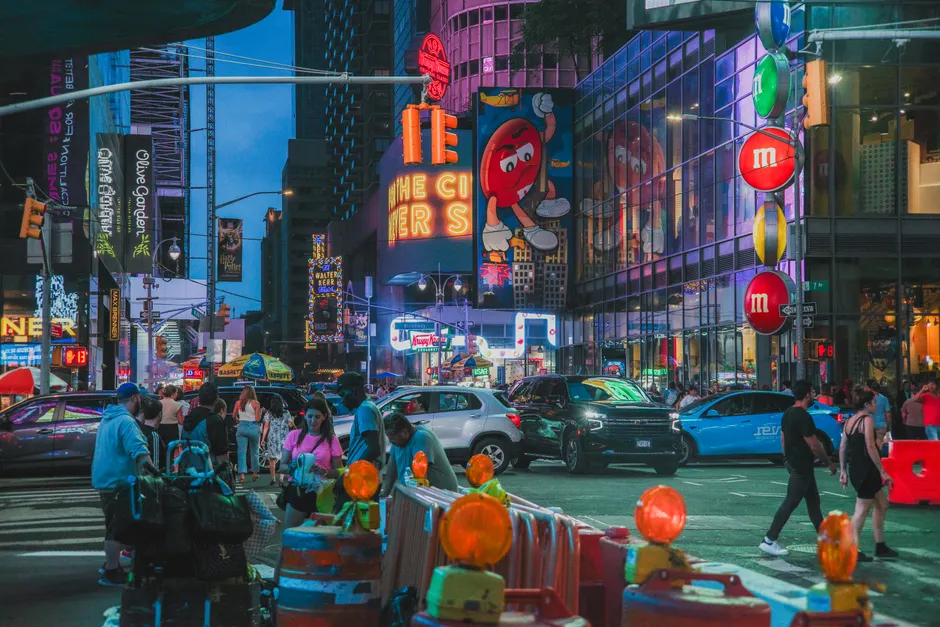
Nearly 2,000 players gathered in Times Square on Thursday evening to battle a Mega Mewtwo as the district's billboards went dark and then relit in sync with the raid The Verge. The event marked the official close of Pokémon GO's 10th anniversary, dated July 6, 2026 Pokémon GO, and served as a capstone ahead of Pokémon GO Fest 2026: Global, which started on July 11, 2026 Niantic Campfire.
Michael Steranka, VP of product at Scopely (which recently acquired the game from Niantic), said the Times Square gathering realized a vision from the game's original 2015 launch trailer, which showed crowds teaming up to catch a Mewtwo. When the game first launched, Steranka told The Verge, hosting more than a thousand people in a single raid battle was "just a pipe dream" The Verge.
That framing matters because of what came before. In 2017, Pokémon GO's first major event in Chicago's Grant Park crashed under the load. The servers buckled. The software failed. Niantic later apologized and issued refunds Niantic. Steranka was there for both the 2017 collapse and the 2026 Times Square success. That continuity tells a specific technical story: the server infrastructure, the systems that match players into groups, and the geofenced raids—that is, raids tied to a specific location on the map—that simply could not handle thousands of players nine years ago now work reliably when thousands trigger a synchronized event across a dense city block with live billboard integration built in.
Ownership and Business Context
Scopely acquired Pokémon GO's games business ahead of this anniversary push The Verge. That means the 10th-anniversary programming—Times Square, Go Fest Global, and the satellite events in other cities—is Scopely's first major showcase for a title it now owns, rather than licenses from Nintendo and The Pokémon Company.
The numbers frame what this event really represents. Pokémon GO has been downloaded more than 800 million times lifetime, and it generated $1 billion in revenue in 2025 alone The Verge. A 10-year-old mobile game pulling that kind of revenue is unusual. This anniversary event is not just nostalgia programming—it's a business demonstration.
What's New in the Game
Two new forms of Mewtwo—Mega Mewtwo X and Mega Mewtwo Y—made their in-game debut during Go Fest 2026 Pokémon GO. They appeared in special Super Mega Raids, and later alongside other five-star raid bosses during the Global event Pokémon GO. A tied-in event called Road of Legends let trainers unlock special moves for a limited time Pokémon GO. Standard Mewtwo also returned to raid rotation during the in-person legs in Tokyo and Copenhagen Pokémon GO Tokyo Pokémon GO Copenhagen.
A Global Event Structure
Rather than concentrate everything in one city, Pokémon GO spread the anniversary across the world. Ticketed in-person events ran in Tokyo, Copenhagen, and Chicago Niantic. Free community meetups happened in San Francisco, Antwerp, and New York City through the Niantic Campfire platform Niantic Campfire — SF Niantic Campfire — Antwerp. Tokyo also hosted a special partnership with ANA, Japan's flagship airline, which launched a red-livery Pokémon GO themed jet Pokémon GO. A separate 10th Anniversary Party event ran on Saturday, July 4, 2026, at 10:00 AM Pokémon GO.
The structure—major city events, free satellite meetups, an airline partner, and a coordinated in-app raid tied to a Times Square lighting show—points to an operation far more sophisticated than the one that failed in Chicago in 2017. That failure came down to infrastructure: too many phones connecting at once, not enough server capacity, no way to gracefully degrade when things overloaded. Times Square worked because of the opposite: the backend systems—the servers and software running behind the scenes—managed the load carefully, keeping the raid stable even with thousands of players hitting it simultaneously.
The fact that a location-based mobile game a decade old still draws billion-dollar revenue and thousand-person crowds to a single block matters for how we think about the category itself. Location-based gaming was written off as a fad when the initial hype around Pokémon GO faded after 2016. But anyone who spent a summer walking their teenager around town, lure modules active, phone in hand, knows what actually happened: the format proved to be how a generation socializes around physical places. The question Scopely now faces is how to build on that operational foundation—what comes after synchronized raids and airline partnerships.


