Why Treasury Yields and Stock Prices Keep Whipsawing on Iran Headlines

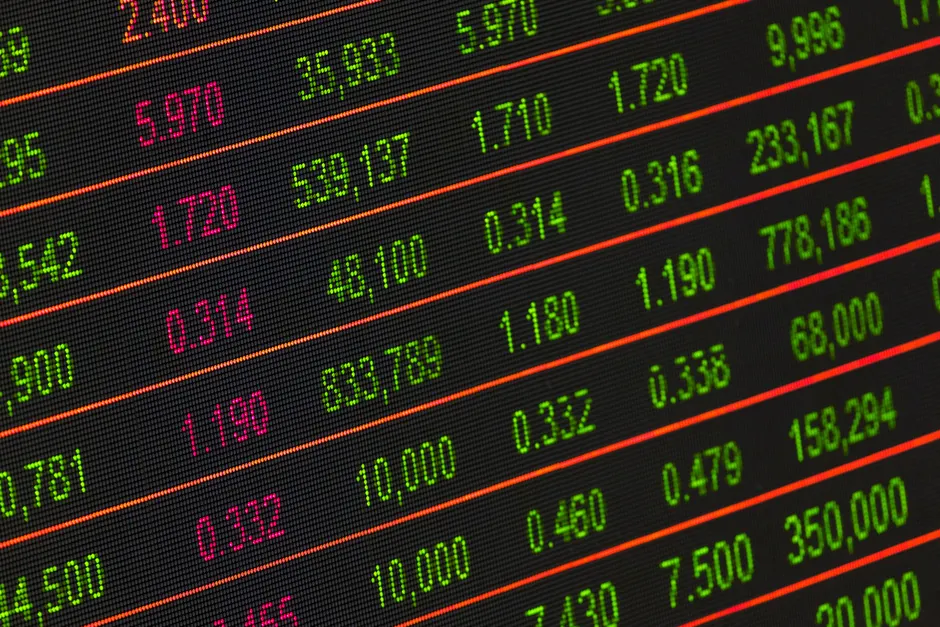
Ten-year Treasury yields fell on July 9 after President Trump signaled Tehran was seeking a deal, erasing gains from the day before when his harder-line comments on Iran had sent oil prices and yields higher WSJ. In financial markets, a Treasury yield rise means bond prices fall—investors demand higher returns to compensate for perceived risk. The pattern matters because the same person's statements produced opposite market reactions within 24 hours, revealing just how fragile investor confidence is about where this conflict actually ends.
Here's what moved when. On July 8, oil jumped and the 10-year yield climbed as Trump's Iran remarks raised tensions. By July 9, the script flipped: yields dropped, stocks rose, and traders rotated back into artificial intelligence and technology trades WSJ. The fact that one speaker's comments could reverse course on consecutive days tells us less about mixed messages from Washington than about how little conviction the market actually has. When conviction is thin, even minor shifts in tone trigger large repositioning.
The geopolitical backdrop matters for context. Trump declared the ceasefire "over" amid escalating clashes in the Strait of Hormuz, Bahrain, and Kuwait, a sharp turn from the relative quiet that followed U.S.-Israeli strikes in February, after which Iran had launched counter-strikes against Israel and U.S. bases, according to a UK parliamentary briefing Gulf News; House of Commons Library. Since February, the pattern has been flare-ups followed by calm rather than sustained escalation or resolution. That back-and-forth is exactly why a single day's yield or stock swing is hard to interpret as a true directional signal rather than noise.
The clearer story is playing out in Treasury yields. On July 8, traders pushed 10-year yields higher because they wanted compensation for added oil-supply risk — a concept called term premium, the extra return demanded for uncertainty over longer periods. On July 9, when de-escalation news arrived, that risk premium reversed almost mechanically, consistent with how yields had rebounded in mid-June on an earlier U.S.-Iran agreement narrative WSJ. The practical signal is that headline sensitivity to this conflict has not faded despite weeks of coverage — if anything, light positioning (traders holding smaller positions to avoid large losses) means fresh news can still move long-term yields sharply in a single trading session.
Stocks have had a messier few weeks because two different risks are colliding. The AI-driven sell-off on June 23 was unrelated to Iran — it reflected concerns that technology companies' valuations had grown too high relative to their actual profits. The Nasdaq fell 2.2% that day, the S&P 500 lost 1.4%, and the Dow dropped just 0.1% Barron's; New York Times. South Korea's Kospi index, which is heavily weighted toward computer chip makers, plunged 10.5% the same day New York Times—a far sharper drop that highlighted how concentrated the tech supply chain is and how vulnerable it is to sentiment shifts.
That valuation reset didn't stick around. By July 9, investors were back buying AI and technology stocks, a rotation that looks odd next to a Nasdaq that had closed down 1.16% at 25,818.69 just two trading days earlier, on July 6 CNBC. The Dow closed at 52,925.15 that same July 6 session. Broadcom, a major semiconductor company central to AI spending plans, traded at $388.69 on July 8, a price nestled within the range investors have been frantically buying and selling across these volatile weeks WSJ.
Two separate risk stories are moving markets in parallel and occasionally colliding. One is geopolitical — focused on whether ships can safely pass through the Strait of Hormuz and whether oil will stay abundant. This story moves bond yields and the dollar. The other is domestic — how much profit AI and technology companies will actually generate from massive spending on data centers and computing power. This story moves stock prices. When both are active at the same time, as they were through late June and early July, asset prices stop moving together. A drop in bond yields from good Iran news can happen on the same day stocks rise for completely different reasons — which appears to be exactly what occurred on July 9.
What matters for anyone paying attention is that Iran-related headlines have not yet settled into a stable, priced-in range. They remain volatile enough to shift 10-year yields noticeably within a single day, in either direction depending on the day's rhetoric.
Whether the sudden return to AI buying on July 9 came from traders genuinely believing the June valuation concerns were overblown, or simply from money flooding back into the most crowded trade the moment Iran news turned calmer, is something the publicly available reporting does not answer clearly. The distinction matters if you are trying to gauge whether these moves reflect real changes in fundamentals or just shifts in short-term positioning.