SK Hynix's 44% Collapse After US Listing: Why a Record Chip Rally Unraveled in Days
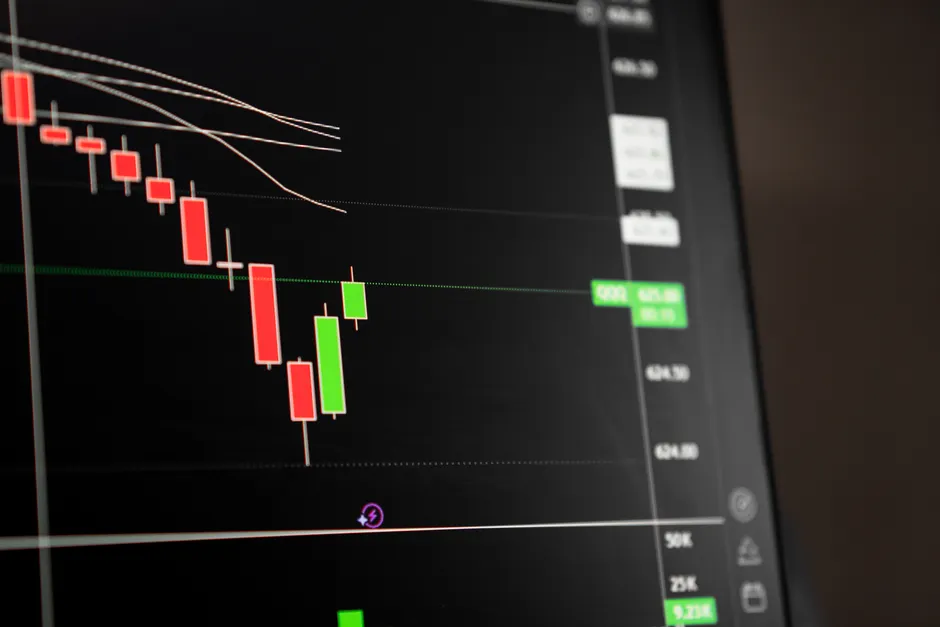
SK Hynix shares plummeted as much as 44% on July 13, 2026, in Seoul trading—just days after the South Korean chipmaker's highly anticipated US debut. Reuters attributed the drop to profit-taking and waning enthusiasm about the company's earnings prospects. Bloomberg called it the largest single-day plunge on record for the stock and linked it to a broader South Korean equity selloff.
The timing was jarring. A week earlier, SK Hynix had priced American depositary receipts (ADRs—a way for US investors to own foreign stocks) at $149 each on July 9, raising roughly $26.5 billion. The offering was oversubscribed more than seven times, according to Reuters, meaning investors wanted far more shares than the company was selling. That fell short of the up-to-$29 billion the company had initially targeted, per a Reuters report, but it still ranked as the largest US share sale by a foreign company as of mid-2026, per Reuters. On its first day of trading, the ADRs closed 13% above the offering price, according to Reuters.
SK Hynix had filed paperwork with the Korea Exchange on June 24 disclosing the mechanics of the listing—specifically, a capital increase process. In a correction filing (acceptance number 20260624000795), the company stated it would set subscription and payment dates sometime between July 13 and July 20. That settlement window opened right as the share collapse hit, a detail that matters because it affects how new shares enter circulation and can influence price dynamics during the transition.
The numbers paint a stark picture: a 13% pop on debut, erased and reversed by a drop described as up to 44% on the Seoul exchange. The gap between sevenfold subscription demand and the subsequent market reversal is too large to blame entirely on routine profit-taking. Something shifted in how the market valued the stock in the space of a few trading days—though comparing ADR prices to Seoul-listed shares requires care, since they trade in different currencies and venues with different liquidity and float characteristics.
The SK Hynix decline was not an isolated event. On the same day, fighting escalated in the Gulf region, with Iran claiming to have closed the Strait of Hormuz, according to Reuters. The escalation pushed oil prices sharply higher, as reported by Modern Diplomacy. That oil spike raised a concern that had faded from markets in recent months: the risk that energy-price pressure could reignite inflation, reversing the disinflationary momentum central banks had been signaling. Man Group characterized the Gulf disruption as introducing significant volatility into global energy markets through the rest of the year, a framing consistent with the strait-closure claims and the crude spike from the same session.
Here is where the macro lens matters: the Strait of Hormuz carries a substantial portion of global seaborne oil and liquefied natural gas. A credible disruption reintroduces a supply-side inflation channel—the idea that prices rise because supply shrinks, not demand surges—that had largely dropped out of mainstream economic forecasts this year. Whether Iran's closure claim holds or reverses in days will determine how much of this repricing persists; markets have priced geopolitical oil premiums before, only to unwind them once shipping resumed. That uncertainty explains why the same session saw broad Asian equity weakness rather than a clean rotation into energy stocks. Risk appetite was being repriced downward across the board.
The SK Hynix unwinding and the Gulf shock are two separate stories, but their collision on July 13 is instructive. A blockbuster tech listing that closed its US debut at a 13% premium had thin margin for error when macro risk was already being reassessed. Traders holding relative-value positions on the ADR versus the Seoul-listed shares will watch the settlement window through July 20 closely—partly to see if the capital-increase mechanics disclosed in that June 24 filing create additional volatility, independent of whatever unfolds next in the Gulf.