Apple Says the iPhone Duo Is Shipping Late, With No Date for Balanced Supply
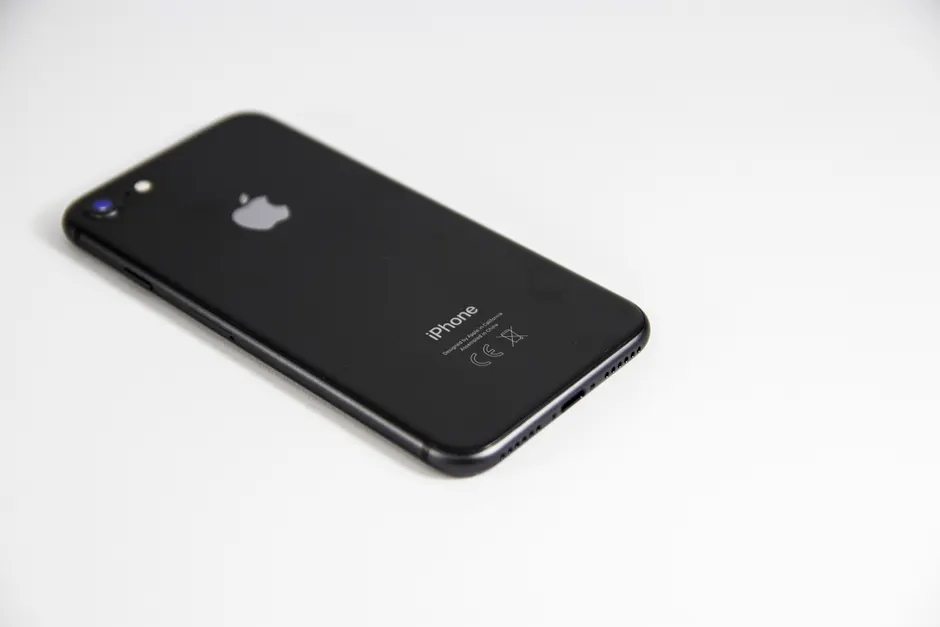
Apple's chief operating officer, Sabih Khan, said on November 2, 2026 that the iPhone Duo is shipping late and that the company cannot yet say when supply and demand for the device will be in balance. He made the remarks on the earnings call for Apple's fiscal 2026 fourth quarter, results for which the company also announced that day.
According to TechCrunch's report of the call, Khan said the iPhone Duo was constrained as of the day of the call. He described the production ramp as going well and said Apple is working hard to get the device to customers as quickly as possible. CEO John Ternus made a parallel point, saying the company is working hard to get the iPhone Duo into customers' hands as quickly as it can.
For buyers who did not preorder right away, the result is concrete. Ship times now stretch into next year.
The supply position follows a difficult launch. Bloomberg reported on October 23, 2026 that the device debuted with long lines and limited supply, and that Apple's limited in-store inventory sold out quickly. The iPhone Duo is priced at $2,000, well above the company's conventional iPhone range, which makes the constraint a question of allocation as much as of volume.
Apple's late-October hardware schedule ran in parallel. The company introduced the 14-inch MacBook Pro with M6 on October 27, 2026, followed by the all-new MacBook Pro with PROLED XDR Display, featuring tandem OLED technology (two stacked organic light-emitting layers that boost brightness), on October 28, 2026. Both launched in the same fortnight as the Duo's store debut. Khan addressed only the iPhone Duo constraint on the call.
Market expectations for the foldable segment add another data point. Reuters, citing IDC's forecast, expects Apple to take 44% of the foldable market's value in 2026 on 31% of its units.
The broader context here is the arithmetic behind that forecast. A value share well above the unit share implies an average selling price (the typical revenue per unit) far above the segment average, which fits a $2,000 price point. Each constrained unit therefore carries more revenue than a unit in a volume tier would, and the pressure on production planning and on how stock is split between preorder and walk-in channels is considerable. Apple has to tune its supply chain for a new form factor against demand it cannot yet measure with confidence. Khan's answer suggests the company is still learning where that balance point sits.
In my view, the most useful part of the call for anyone planning around the device is what Apple did not offer: a ship date. A "hard to predict" answer is less satisfying than a date, but a date that later slips would be worse for customers and suppliers alike. Buyers who are waiting should expect longer lead times rather than a near-term improvement. The signal to watch is whether ship times begin to shorten for orders placed after the holiday period.
The longer view is more encouraging. A device that sold out on arrival and carried a backlog into next year suggests that a new foldable category has found demand at a premium price. That gives Apple a large installed base to build on once supply catches up. Whether the company can close the gap predictably is the question that will define the iPhone Duo's first year.


