China Pauses Bank-Led IPOs While Opening Shanghai to Unprofitable AI Firms
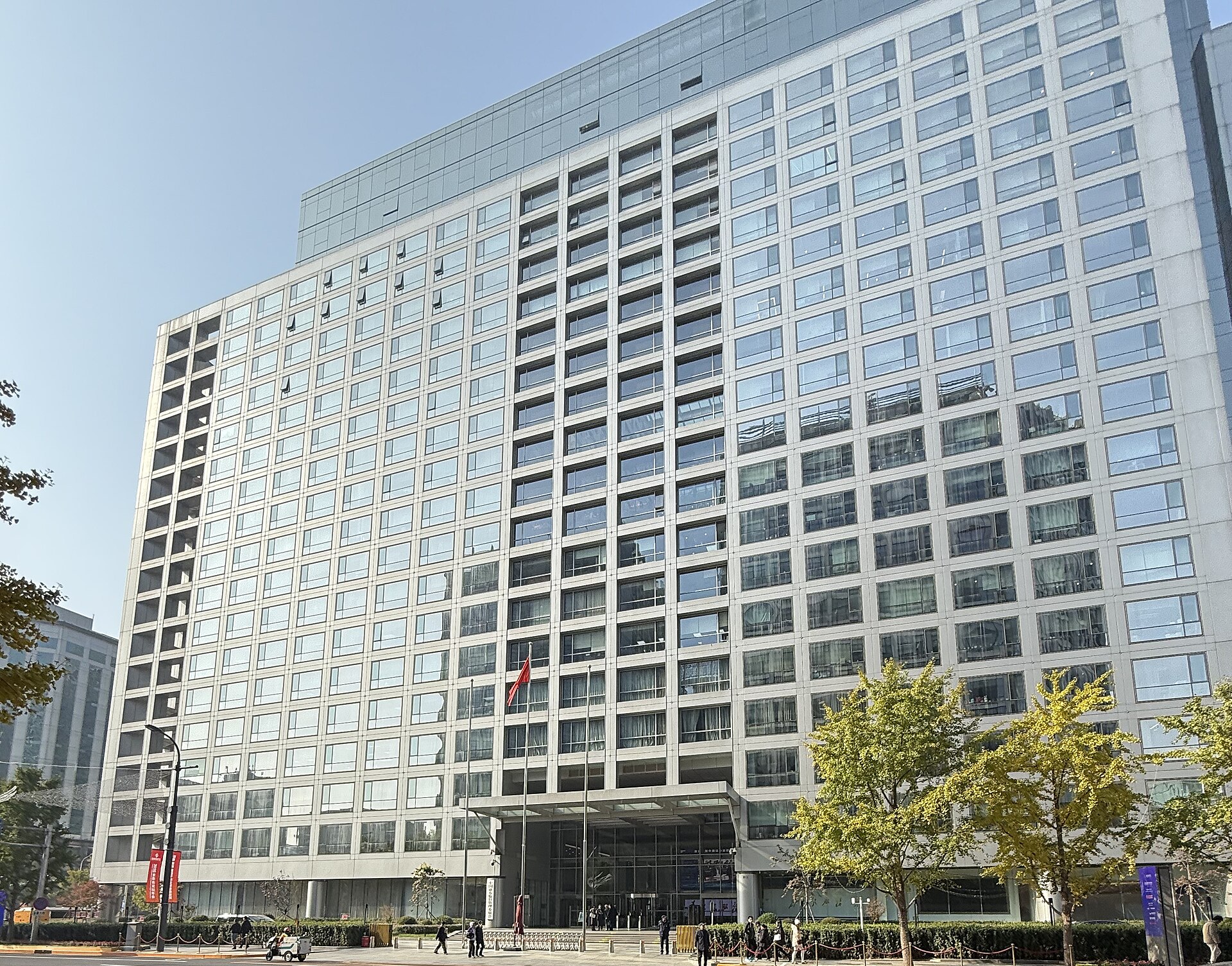
China's securities regulator has told banks to pause initial public offerings (IPOs), Reuters reported on 27 October 2026. The instruction arrives while Beijing is moving the other way on one front. It has relaxed rules so that unprofitable artificial-intelligence startups can list on a Nasdaq-style market in Shanghai, according to the Wall Street Journal's July reporting.
Profitability tests are usually the first gate on an exchange listing. An IPO is the first time a company sells shares to the public. Relaxing that gate for a board that targets early-stage technology firms is a structural change, not a tweak to disclosure rules. For investors, the question is who gets to sell shares to the public, and on what terms. A listing venue that accepts companies with no earnings shifts risk onto buyers. Those buyers must rely on the prospectus (the official document describing a company's business and risks), the governance structure, and the company's cash runway (how long it can operate before it runs out of money), rather than on reported profits.
The regulator's pause on bank-led offerings, as reported, is a different instrument. Banks act as underwriters, the firms that bring new share sales to market, and the pause affects the pipeline of deals they are ready to launch.
In my view, that matters even if the listing rules stay unchanged. The timing of supply can shift without any rule change. An IPO queue that stops moving can leave private funding as the main source of capital for the companies waiting in it, and private valuations can diverge sharply from where public shares trade.
Consider the Hong Kong channel. In March, Bloomberg and Reuters reported that Beijing was restricting Chinese companies incorporated overseas from seeking initial public offerings in Hong Kong (Reuters). The China Securities Regulatory Commission (CSRC) requires some so-called red-chip firms, companies incorporated offshore but controlled from the mainland, to change their legal domicile (home jurisdiction) to China before pursuing a Hong Kong listing. The regulator cited opaque structure and high risk as its main concerns.
That restriction matters for AI names in particular. Moonshot AI, a Beijing-based startup, has confidentially filed for a Hong Kong IPO, and its latest private funding round valued the company at $50 billion, the Wall Street Journal reported in September. A confidential filing means the prospectus is not yet public, so outside investors cannot yet see the corporate structure the regulator flagged.
In my view, anyone assessing that filing has to work out which rules apply to the company's ownership chain. That structure is exactly the variable the regulator called opaque.
Chinese companies listed in the mainland have faced this kind of scrutiny before. In July 2021, the CSRC said Chinese companies could keep listing in the United States as long as they met listing requirements. In the same month, the U.S. Securities and Exchange Commission halted IPOs of Chinese companies until they boosted disclosure of risks to investors.
That 2021 episode is a useful reference point, in my view, because it turned on disclosure rather than on the sector itself. The March Hong Kong rules cover the same ground.
Taken together, the three moves point to a regulator that is widening one door, narrowing another, and slowing a third. Opening Shanghai to unprofitable AI firms expands the set of companies that can list domestically. Restricting offshore-incorporated firms in Hong Kong narrows the route many had used to reach international investors. The pause on bank-led offerings then slows the flow through whichever channel is open.
For savers and investors, the practical effect is access and disclosure. Which listings a buyer can reach, through which exchange, and with how much verifiable information will determine how the risks in these companies get priced. None of these developments is a forecast of where AI valuations go next. The useful discipline is to separate what regulators have announced or instructed from what the market has begun to assume about those decisions.