Cyber-Attacks Raise Temperatures in Fridges Across Europe, Including at UK Meat Suppliers
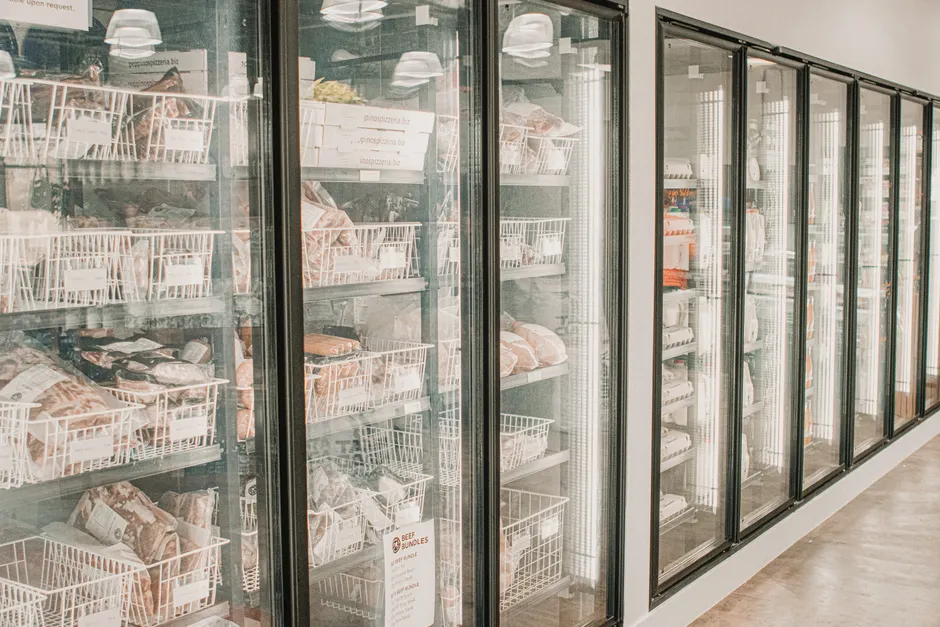
UK meat processing firms have been hit by cyber-attacks that raised the temperature of their refrigeration units, according to The Guardian. The UK's National Cyber Security Centre (NCSC), the body that responds to online security incidents, said it was working with the affected companies and that the impact across the country was minimal.
Paul Chichester, the NCSC's director of operations, said the agency was aware of the incidents in the UK, was working with the affected organisations and was monitoring the situation. As of 3 November 2026, no UK grocery chain had been directly affected by the freezer attacks. The British Association of Independent Meat Suppliers said some of its more than 300 members were affected as collateral in the hack, and that no meat was lost. One supply company saw its cold units rise to 100C, and two others reported units beginning to defrost. All the affected units were empty at the time.
The problem is not confined to Britain. Retailers in Belgium, Estonia, Ireland, Finland, Luxembourg, the Netherlands and Sweden have reported problems with refrigeration systems, with some temperatures rising to 50C. In Sweden, an ICA shop in Sjöbo said its fridges and freezers had been hacked and their temperature set to 50C. In Ireland, a cyber incident affected refrigeration systems in 13 SuperValu stores, and Reuters reported that European retailers had been hit by the fridge hack. Ikea was also among the shops affected. Reuters reported that the attacks forced stores to throw away food.
The wave follows an earlier attack in October on French supermarkets. Hackers forced the temperature of many French supermarket fridges up to 50C overnight, and Reuters reported that French chain Intermarché had 150 of its stores targeted. Hackers had remotely overridden the temperature settings on thousands of freezers and fridges in French supermarkets. The French systems involved legacy technology, meaning older equipment, connected to the internet with default passwords.
On the cause, the NCSC said the fridge attacks were not enabled by artificial intelligence and used vulnerabilities that had existed for a long period. Cybersecurity experts reported that attacks on the fridge controls showed characteristics similar to malicious operations linked to Russia.
The Guardian described the early November incident as a second suspected cyber-attack on shop fridges and freezers across Europe. Dozens of supermarkets in seven European countries were hit, according to the BBC.