Basata Taps Healthcare Executive to Drive Growth in AI Automation
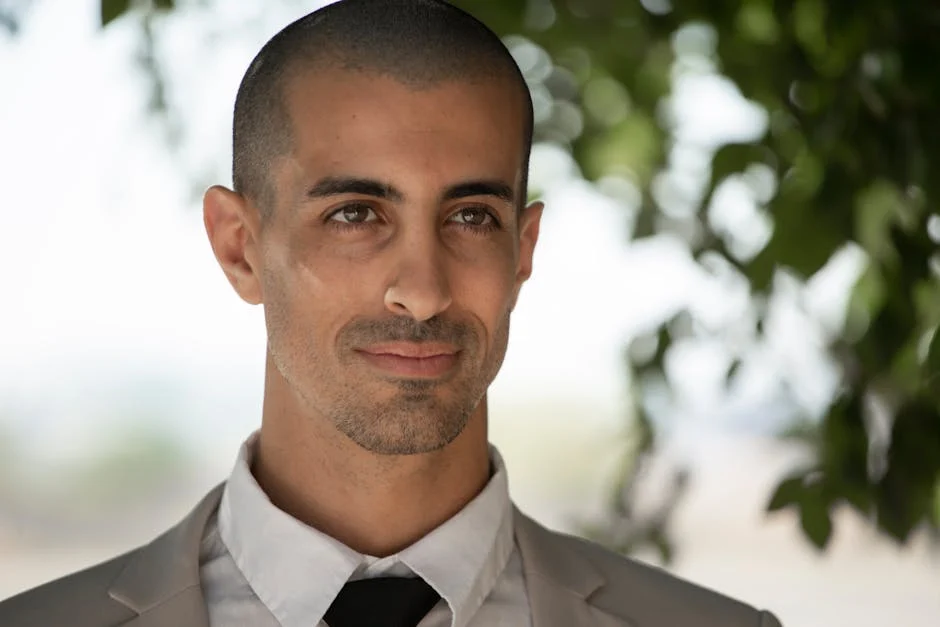
Basata Taps Healthcare Executive to Drive Growth in AI Automation
Healthcare AI company Basata has appointed Brandon Theophilus as Senior Vice President of Growth, starting November 17, 2025. Theophilus brings over 20 years of healthcare technology leadership experience, most recently from NextGen Healthcare, where he worked with a network of more than 150,000 healthcare providers across different care settings including cardiology, dental, and behavioral health.
The hire comes as Basata signs partnership deals with medical practices. In October, the company announced an agreement with Tri-City Cardiology to deploy AI agents — software systems that can perform specific tasks autonomously — to handle incoming clinical faxes and manage routine patient phone calls.
What Basata Does: Automating Healthcare Admin Work
Basata focuses on using AI to handle paperwork and administrative tasks in healthcare practices. The company has built AI agents that process clinical faxes and manage voice-based patient communications — two everyday bottlenecks that most practices struggle with.
At Tri-City Cardiology, AI agents will manage the flow of incoming clinical faxes. Referrals, test results, and patient correspondence typically arrive as faxes and need to be sorted, routed to the right person, and entered into the practice's records by hand. The AI agents will handle this automatically. The practice is also deploying voice agents to field routine calls: appointment scheduling, prescription refill requests, and basic patient questions. These agents can work around the clock, even after office hours.
MedAxiom, a consulting firm that works with cardiovascular practices, also announced a partnership with Basata in October. The goal is to reduce administrative workload across its network of member practices using similar AI agents. This positions Basata as a standard solution for heart and specialty practices looking to cut down on manual work.
Why This Matters Now
Healthcare administrators estimate that about 8% of all U.S. healthcare spending goes to administrative costs — much of it spent on manual document handling, phone-based patient scheduling, and communication between practices, hospitals, and labs. Clinical faxes, despite their age, are still deeply embedded in healthcare because of regulatory requirements and established workflows.
Basata's AI agents target specific friction points. Faxes pile up and slow down care coordination. Phone lines get jammed during busy scheduling times. Data entry mistakes create extra work downstream. Voice agents can handle routine calls outside business hours, when staff isn't available. Document-processing agents work continuously without needing shift schedules. For practice managers, the math is straightforward: the AI replaces work that had to be done by people, so the savings are easier to measure than with tools that just help clinicians work faster.
What This Hire Signals
Theophilus's background suggests Basata is planning to expand beyond cardiology into other specialty practices. His experience at NextGen Healthcare — working across different practice sizes and types — gives him insight into how AI agents might be deployed across diverse healthcare environments. This kind of leadership hire often signals a company is preparing to scale up operations.
The broader pattern we've seen in healthcare technology adoption is that specialized AI solutions gain traction first, before general-purpose platforms take over. Early electronic health records (EHR) — the digital patient charts most practices use — followed a similar path: focused applications in specific workflows proved their value before becoming standard across entire practices.
Basata's approach focuses on administrative workflow automation rather than clinical decision support or tools built directly into existing EHR systems. This positioning may make adoption easier for practices because they can deploy the AI agents without disrupting their existing clinical software or requiring doctors to learn new systems.
LinkedIn data shows Basata currently has a very small team — between 2 and 10 core employees — which suggests the company is either operating lean or is still early in its growth phase. Theophilus's appointment to a growth leadership role indicates plans to expand, most likely by building partnerships with consulting firms and practice networks rather than hiring a large direct sales team right away.
The Bigger Picture
AI agents are being deployed across healthcare operations now: patient communication, insurance prior authorization processing, claims management, and clinical documentation. Voice agents that handle routine patient calls are particularly active, as practices work to manage call volume while dealing with staff shortages.
The real challenge is integration. Most practices use a patchwork of different software systems — their EHR, billing software, appointment scheduling software, communication tools — that all need to work together. When you add an AI agent, it has to fit into this existing ecosystem. Successful deployments typically require mapping out workflows carefully and implementing the AI in phases, rather than replacing everything at once.
Basata's partnership approach through organizations like MedAxiom helps with this. These consulting firms understand the technical complexity of healthcare practices and can guide the deployment process, which reduces the risk for individual practices trying something new.
The longer-term direction appears clear: operational AI is becoming standard infrastructure in medical practices, much like cloud-based practice management software replaced the servers that practices used to run on-site over the past decade. Practices that effectively integrate AI agents for routine administrative work could handle higher patient volumes without hiring more staff.
One thing worth keeping an eye on is the regulatory environment around healthcare AI. Right now, rules are still being written about who's liable if an AI system makes a mistake in patient communication, what audit trails need to exist, and how to ensure quality. As practices deploy more AI agents, they'll need governance frameworks to monitor performance and stay compliant as regulations evolve.