Thirty Days Into Houthi Siege, Residents of Taiz Face Shortages of Food, Fuel and Medicine
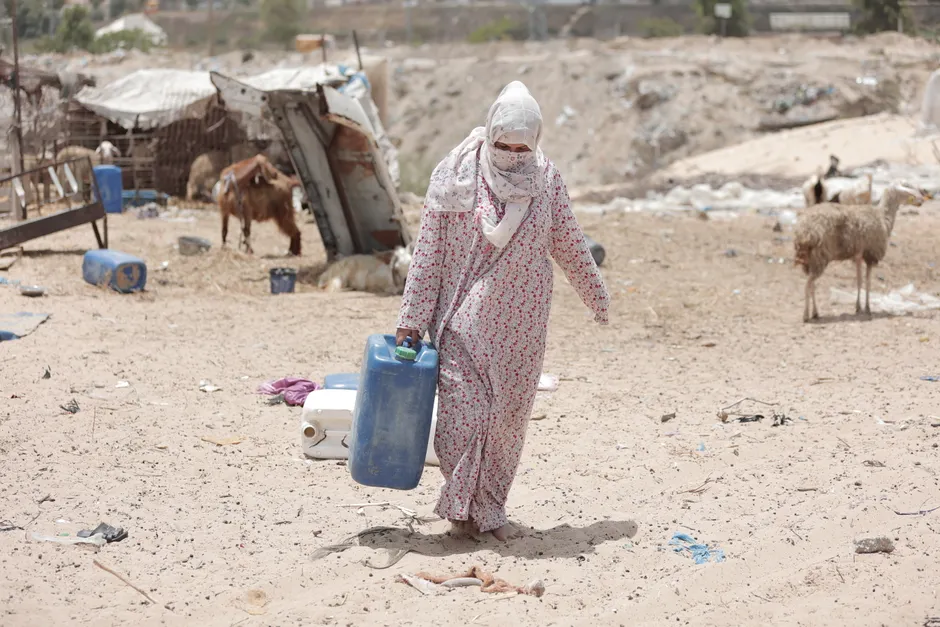
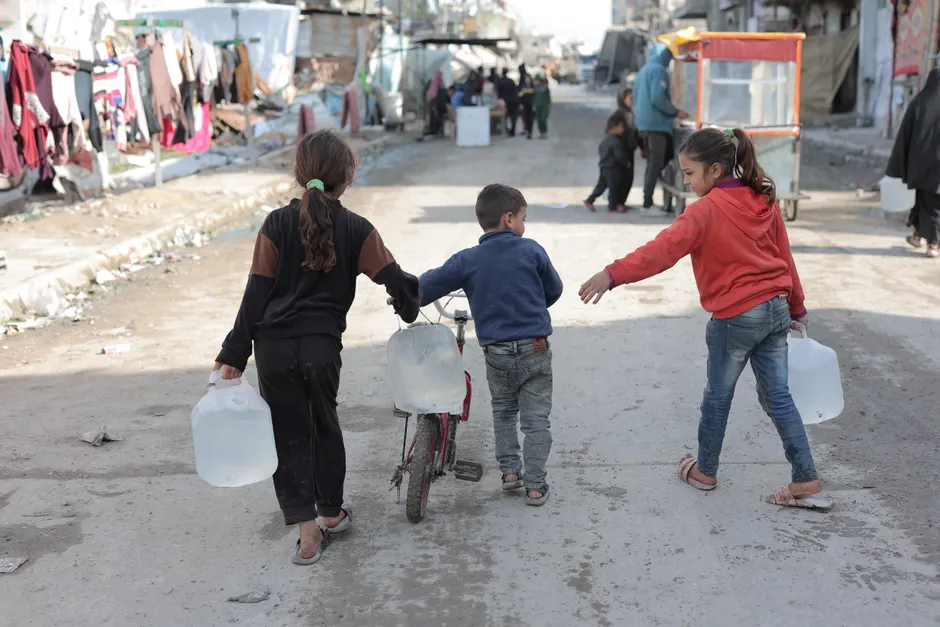
The Houthi siege of the Yemeni city of Taiz had lasted 30 days when Al Jazeera reported on November 4, 2026. According to that report, food, fuel, medical supplies and water are no longer reaching the city, and tonnes of rubbish that cannot be taken to landfill outside are piling up in its streets.
The siege began with the seizure of al-Turbah, a town in the far southwest of Taiz governorate, the province that surrounds the city. That move cut Taiz's main link with the southern city of Aden and the outside world. The Houthis later took over the western countryside of the governorate, which completely encircled Taiz city.
The Houthis, a movement that pushed Yemen's internationally recognised government out of the capital, Sanaa, in September 2014, reached the outskirts of Taiz in 2015. From the north, east and south, they have kept the city under siege since then, and the current encirclement is the latest stage of that pressure.
Salah Ahmed Ghaleb al-Majidi, acting director of Taiz governorate's Siege Affairs Department, described the situation as the worst catastrophic siege imposed on a Yemeni city since the war began in 2014. The blockade affects the 1.5 million people living in Taiz city. Around 180,000 displaced people are also trapped by ongoing clashes along the main road connecting Lahj and Taiz.
The pressure has been building for weeks. In October, Al Jazeera reported that medical services in Taiz risked shutting down as fuel, medicines and supplies ran alarmingly low, and Yemen's internationally recognised government warned of an imminent health and humanitarian catastrophe. Reuters reported that residents faced intensifying bombardment and that prices were spiralling as supplies dwindled. It also reported that families had taken shelter after being forced from their homes as Houthi forces closed in. In a report published on October 20, the New York Times said Yemeni and foreign officials had warned of a potential catastrophe as residents were left with dwindling essentials.
The United Nations has repeatedly warned of a catastrophe inside Taiz city, where supplies of food and medicine are becoming increasingly scarce.
The city's crisis sits within a wider national emergency. According to UN humanitarian office OCHA's Yemen figures released on November 3, 2026, 18.3 million people in Yemen are acutely food insecure, and more than 2.2 million children under five are acutely malnourished. An additional 1.3 million pregnant and breastfeeding women are expected to be malnourished. The same figures show that 14.4 million people need water, sanitation and hygiene assistance, and that only 59.3 percent of health facilities are fully functional. The UN and its partners say they need US$2.16 billion to reach 12 million people in Yemen in 2026, with 9.4 million people prioritised for targeted assistance based on severity.