How Hungary's New Government Forced Out a President Through Constitutional Amendment
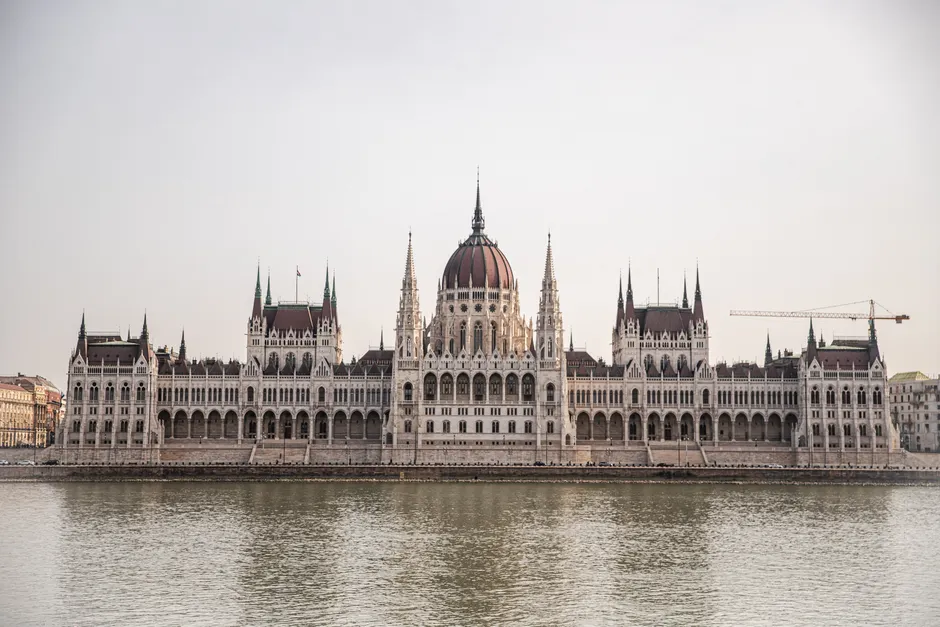
Hungary's parliament voted on July 13, 2026 to remove President Tamás Sulyok from office by amending the country's Fundamental Law, or constitution. Prime Minister Péter Magyar initiated this process roughly six weeks earlier, in what became an unprecedented constitutional battle that required changing the nation's founding legal text rather than simply firing the president.
Understanding the constitutional mechanics explains why this fight mattered so much. Hungary has no standard impeachment clause for removing a sitting president. Instead, Magyar had to pursue a constitutional amendment—a much heavier lift politically. Once adopted, such an amendment doesn't just end one person's term; it alters the constitutional structure itself, potentially affecting future presidents. This structural quirk made Magyar's campaign both more cumbersome and, once it succeeded, more enduring in its consequences.
The move was contentious from the start. By early July, critics were already arguing that the government was bending constitutional machinery to serve a political goal, according to reporting from the time. The procedural argument mattered: even those who disliked Sulyok questioned whether this was the right way to remove him.
Sulyok's presidency had unfolded against a shifting political landscape. He was serving as President of the Republic through early and mid-2026, performing the routine duties of his office—approving legislation, awarding state honors in March at Orbán's proposal. On April 12, parliamentary elections took place, and Sulyok issued a press statement from his official residence. The election result was decisive: Péter Magyar, a rival to the outgoing Prime Minister Viktor Orbán, won and took office that April.
Here's where the constitutional tension arose. Sulyok, installed under the prior government, remained in office months into Magyar's term. He was still signing legislation and exercising presidential powers as late as the end of May. In parliamentary systems, this kind of overlap—an opposition-era head of state serving alongside a newly empowered government with a different political base—often creates friction. The president may still control certain levers, such as timing decisions or the authority to delay action on legislation.
Orbán's own words, spoken in January before stepping down, illuminate what Magyar saw as the problem. Orbán told journalists that the date of parliamentary elections rested with the President of the Republic, and that "power remained with President Sulyok Tamás." In other words: the presidency wasn't merely symbolic. Even as a new government took shape with a different mandate, the president retained real authority. Magyar's decision to remove Sulyok via constitutional amendment, rather than simply waiting out his term or attempting to work around him, suggests the new government believed those remaining presidential powers—or Sulyok's willingness to use them—incompatible with its agenda.
Magyar had already signaled a break with the old order in other ways. Upon taking office, he opened Orbán's former prime ministerial offices to the public. The Sulyok removal reads as the harder-edged version of that same message: the new government's mandate extends beyond optics to the shape of inherited institutions themselves.
What comes next remains unclear from available records. The constitutional amendment removes Sulyok from office, but official announcements have not addressed how his successor will be chosen, who will serve as interim head of state, or on what timeline. Given how contested the removal procedure was already by early July, the process for filling the vacancy is likely to attract significant scrutiny in its own right.


