Iranian Officials Welcome Trump's Midterm Setbacks as Strike Threat Remains
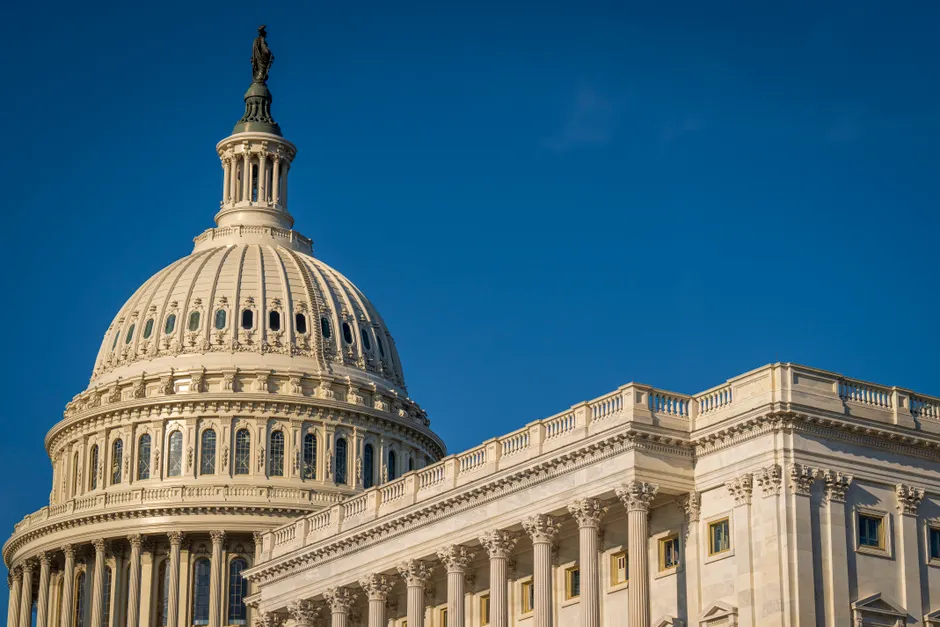
Iranian officials have welcomed the heavy defeats suffered by Donald Trump's Republican Party in the US midterm elections, calling them a rejection of the war on Iran. The vote was held on Tuesday, November 3, and Democrats won control of Congress in what Iranian state media described as a major setback for the president.
The war began on February 28, when the United States and Israel attacked Iran, according to Al Jazeera. Iran responded with strikes on Israel and on Gulf states that host US bases. Since then, the conflict has become a central issue in the American campaign.
Trump has acknowledged that the war played a role in the Republican losses, Reuters reported. He nonetheless stood by his decision to attack Iran. He had campaigned on a promise of "no new wars."
Iranian leaders took a sharper tone. Parliament speaker Mohammad Bagher Ghalibaf, who led Iran's delegation in talks with Washington that produced a short-lived memorandum of understanding in June, said Americans had said "NO TO WAR" in the midterms, pointing to their conscience and the cost of living. Judiciary chief Gholam-Hossein Mohseni-Ejei said "Trump was defeated in both war and politics" and promised that Iran would impose more defeats on him. A foreign ministry spokesman, Baqaei, told Trump that "The American people have now sent you a clear message."
Trump has discussed the possibility of attacking Iran for weeks, but as of November 4 he said he had not yet made a decision. In the weeks before the vote, he had stepped up threats of major new strikes while campaigning for Republican candidates.
Analysts offered differing views on what the result means. Sanam Vakil, director of the Middle East and North Africa Programme at Chatham House, said the Republican defeat will increase pressure to end the Iran war, but she did not rule out further strikes. Hamidreza Azizi, a senior Iran analyst at the International Crisis Group, said Iran's sense of victory is likely to make it more uncompromising on its core demands. These include seven conditions for a partial reopening of the Strait of Hormuz, the narrow sea passage through which much of the world's oil moves, and a requirement that the United States take the first step.
Iran's Supreme Leader, Mojtaba Khamenei, became leader in early March, after the killing of his father. He had not been seen or heard publicly since. In a statement released on November 4, he said the Strait of Hormuz had shattered the myth of American invincibility.
The date also carried historical weight. November 4 marked the anniversary of the 1979 seizure of the US embassy in Tehran by Iranian students. Iranian authorities organised demonstrations around the former embassy building, along with state-organised marches in Bandar Abbas, Mashhad, Qom and other cities. At one event, a banner reading "We will kill Trump" was unveiled, according to The Guardian.


