Stocks Rally on Divided Washington as Oil Falls and AI Shares Split
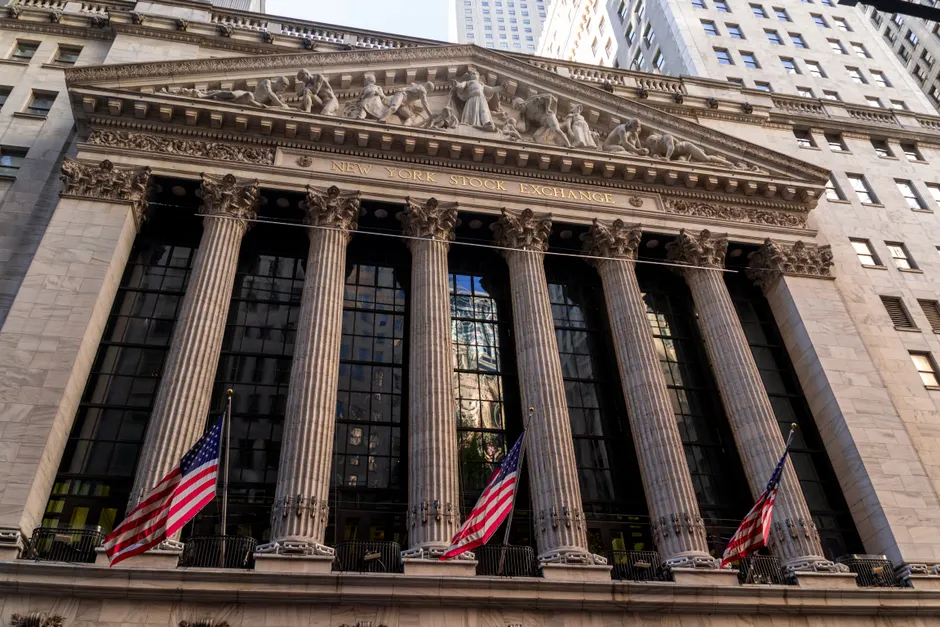
The S&P 500, a benchmark tracking 500 large US companies, closed at 7,688.73 on November 4, 2026, up 119.81 points, or 1.58%, according to Reuters. The rally came as oil futures fell 8.3% to $88.12, a move reported by The Wall Street Journal. Futures are contracts that lock in a price for delivery later, so they react quickly to news. Energy shares absorbed much of the damage. The S&P 500 Energy Index sank 4.7% that session, tracking crude lower, per Bloomberg.
The Nasdaq Composite, which is weighted toward technology companies, rose 1.44% to 25,736.51. The Dow Jones gained 2.5%, according to The Guardian's live coverage, and The Wall Street Journal's live blog carried the headline "Stock Market Today: Dow Jumps to Best Day in 18 Months." The S&P 500 was on track for its strongest session since August, according to Bloomberg's live coverage.
The political backdrop was the midterm result. Democrats were projected to win both the House and the Senate, per CNBC. Equities rose on the expectation that a divided Washington could limit sharp policy shifts, a framing Reuters used in its video coverage. Mark Hackett put the market logic plainly: "Gridlock is the market's friend." Global equities followed, with world stocks rallying as investors anticipated more political certainty, per Reuters' global markets wrap.
The index gains were not evenly distributed. Reuters reported that Wall Street ended higher while data center stocks tumbled, and that AI names split along balance-sheet lines. Shares of cash-rich AI heavyweights rose, while chipmakers fell. Asian semiconductor stocks also tumbled. Reuters attributed a $750 billion rally in Big Tech shares to the Democrats' midterm sweep in a separate story, published the same day. The Journal's headline captured the same tension, pairing the divided-government rally with the phrase "AI Wobbles Continue."
For savers and borrowers, the oil move carries the most direct cash-flow relevance. Crude is a major input into headline inflation, the overall rate at which consumer prices rise, so a sharp one-day drop in futures eases pressure on consumer prices in the near term. A single session tells you little about the trend, though. Energy equities fell with the commodity, which is what you would expect from a sector whose earnings track the price of a barrel.
The more interesting question for portfolio managers is why the AI complex split. A rally in cash-rich megacaps alongside a selloff in chipmakers and data center names suggests the market is not treating "AI exposure" as one trade. Investors appear to be sorting companies by capital intensity and by who funds their buildout from internal cash flow. Political gridlock is a bet on fewer policy surprises, not a guarantee of lower volatility. The sector divergence could reverse quickly once the election premium fades and earnings guidance arrives.
The election outcome is now priced in as a known quantity. What the market has not yet had to price is how a Democratic Congress will shape specific policy areas, and that uncertainty is still ahead. For now, the November 4 session shows investors rewarding the removal of uncertainty and the decline in oil, while marking down the parts of the AI trade that depend most on continued capital spending.