OpenAI's Chris Lehane Pitches a 2028 Policy Agenda for AI

OpenAI's chief global affairs officer, Chris Lehane, has published an essay urging politicians to develop policies that address Americans' concerns about AI, with the 2028 U.S. presidential election in view. TechCrunch Lehane says the election could be a defining moment for AI.
The essay compares AI's potential to reshape the economy to Franklin D. Roosevelt's New Deal, the series of government programs that restructured the U.S. economy in the 1930s. It calls for a "compelling third path" that would allow people to share in AI's benefits, and it proposes a new social contract around the technology. Lehane lays out five policy priorities, spanning worker protections, education, AI safety and data center development.
The specific proposals include tax-code incentives for workers to learn AI skills, easier access to capital for entrepreneurs, and new approaches to employee ownership and profit-sharing. Each is framed as a route for ordinary workers to take part in the economic gains that Lehane expects AI to produce, rather than as a measure aimed at AI developers themselves.
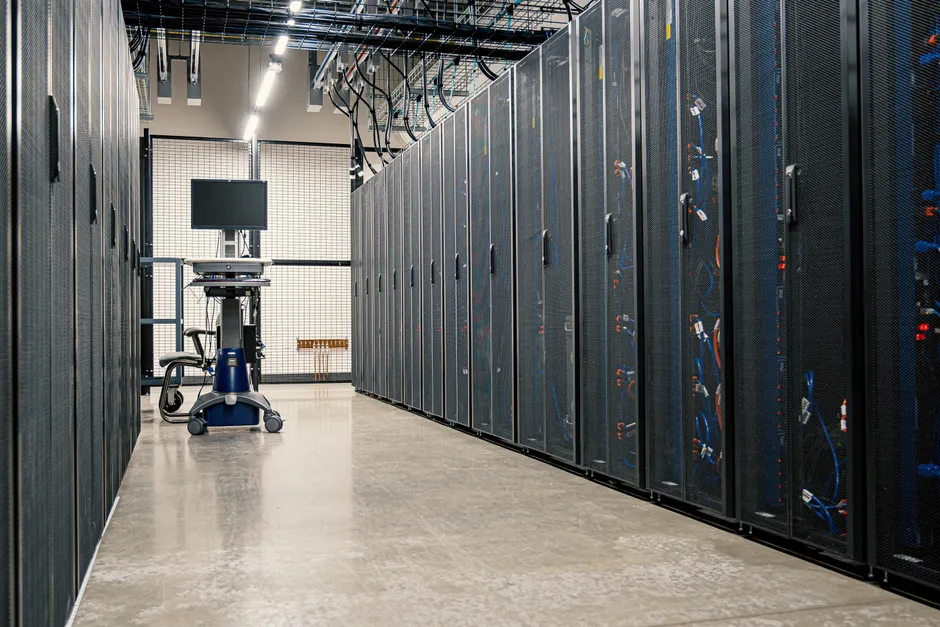
The essay is the most public step in a broader effort. In a report published on November 2, Politico said OpenAI is pitching 2028 hopefuls on how to talk about AI. Politico In that reporting, Lehane said AI is already showing up in the 2026 election, with unpopular data centers serving as a stand-in for affordability concerns. Data centers are the large facilities that house the servers which run AI models.
Lehane's positioning on data centers has also drawn attention. In a memo, he said that backing a data-center moratorium, a temporary pause on approvals, "could well be the 2028 version of the 2002 vote to go to war in Iraq." TheNextWeb The comparison ties a local land-use and energy question to one of the most contested votes in recent American politics.
OpenAI's other announcements this week touch the same ground from different angles. On November 2 the company published "Introducing the Grid Protectors Program," alongside "Preparing our next security sprint to harden OpenAI" and "Rewarding defenders with bigger bug bounties," the last of which refers to rewards paid to outside researchers who report security flaws. On November 3 it published "Accelerating engineering for the physical world." OpenAI News The same day, the company announced that Jill Hazelbaker has joined OpenAI as Chief Corporate Affairs Officer. On November 4, OpenAI announced it will acquire Pierre Computer Company, Inc., and that Daybreak Red is now available in AWS GovCloud (US-East), Amazon's cloud region for U.S. government workloads.
The broader context here is that a company that sells AI products is now setting out the terms of the policy conversation it wants to have. Roosevelt's New Deal was a government program, and the analogy places the company's proposals in that lineage. Whether tax incentives for skills training, capital access and profit-sharing can match the scale of the changes Lehane describes is a question the essay leaves for lawmakers. Readers weighing those proposals will need to separate the economic claims from the political strategy around them.
For readers following that debate, Kate Brennan leads AI and corporate power policy at the AI Now Institute, a research group that works on how concentrated power shapes AI's development and deployment.
In my view, the most useful test of the essay is practical. If the skills incentives, capital access measures and employee ownership ideas reach a legislative draft, they would give workers a concrete stake in AI-driven productivity, and the 2028 cycle would have a substantive agenda to debate. If they remain talking points, the election will be fought mainly over data centers and electricity bills, which is where Lehane says the anxiety already sits.