Dow Jumps 1,500 Points as Oil Tumbles After Midterm Results

The Dow Jones Industrial Average rose 1,500 points on Nov. 4, 2026, its best day since April 2025, according to CNBC. The move followed the U.S. midterm elections, in which Democrats won control of both chambers of Congress, Reuters reported. Global stocks rallied the same day.
The broader indexes moved in the same direction but by less. The S&P 500 gained 1.6% and the Nasdaq rose 1.4%, per The Wall Street Journal. The Dow's percentage gain looks smaller than its point gain suggests. The index is price-weighted, meaning it is driven by the share prices of its 30 companies, so a 1,500-point move at today's level is a smaller proportional change than the same number would have been a decade ago. A better gauge is breadth, meaning how many stocks and indexes moved together. Across all three, the move was broadly positive.
Equity futures had signaled the open. Futures are contracts that trade ahead of the cash market and offer an early read on where stocks will start. Dow futures jumped 1,000 points ahead of the session, Yahoo Finance reported, and S&P 500 futures rose 0.2% in early trading, Bloomberg noted. The gap between the premarket futures move and the Dow's close shows how much of the rally was built during the trading day rather than priced overnight.
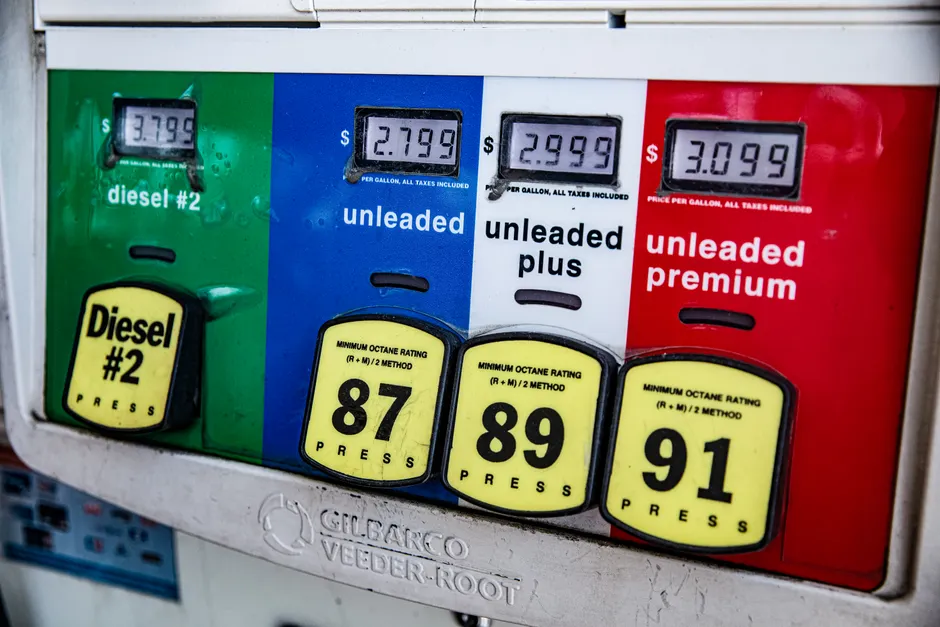
Energy was the sharpest mover. WTI crude, the U.S. oil benchmark, slid 8% on the day, according to Investopedia. Oil settled at its lowest level in more than two months, Reuters reported. Bloomberg tied the decline to the election outcome, saying the Democratic sweep fueled optimism that the Iran War could end soon, and that expectation drove crude lower while helping equities climb, per Bloomberg.
Fixed income moved the same way. Treasuries rose as oil fell, Bloomberg reported. Bond prices and yields move in opposite directions, so a Treasury rally means yields fell. A yield is the annual return an investor earns on a bond, expressed as a percentage of its price. Bloomberg's commentary described stocks and bonds rallying together while oil slumped, a combination that points to a single macro driver rather than a broad risk-on move, Bloomberg reported separately.
Taken together, the sources tie the oil decline to expectations about the Iran war, which is the channel through which the election affects energy prices. The sequence runs like this: a Democratic win in both chambers, a sharp fall in crude, a bond rally, and an equity rally that started before the open.
The harder question is persistence. A single session with a 1,500-point Dow gain and an 8% crude drop is a reaction to a headline. Whether oil stays lower depends on what happens to the conflict itself, and the election result does not settle that. Rate-sensitive assets, energy producers, and anyone tracking how fuel costs feed into inflation will be watching whether the Treasury rally holds over the next several sessions. A rally on one day tells you the market repriced an expectation. It does not tell you the expectation was correct.