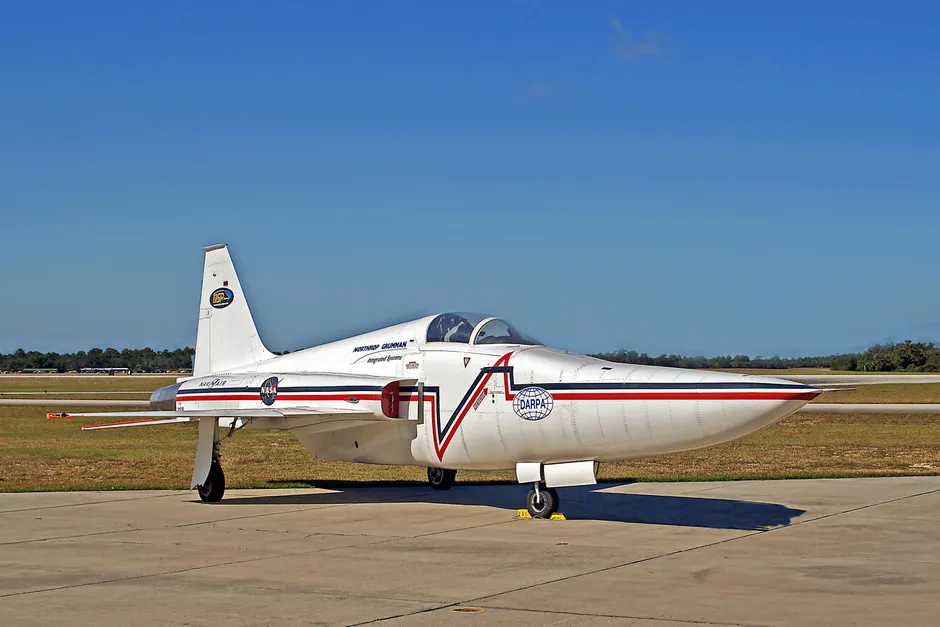
NASA Unveils the X-70 Fractal, a Crewed Test Aircraft for Advanced Flight Control
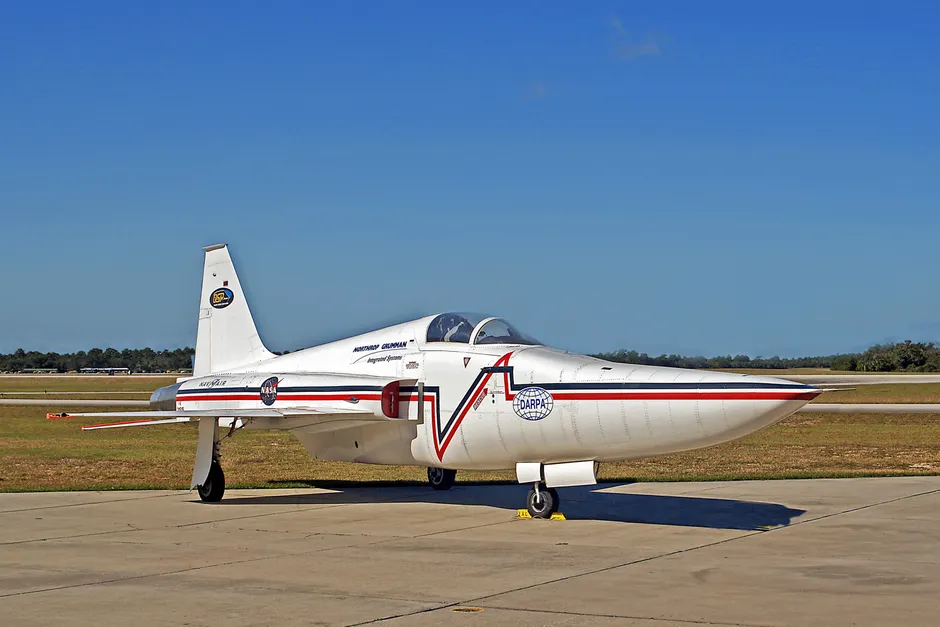
NASA has announced the X-70 Fractal, the newest entry in its X-series of experimental aircraft. The agency describes it as a crewed, high-performance research platform for developing and testing next-generation aviation technologies, according to reporting on the announcement.
The aircraft is planned to cruise at Mach 0.75, roughly three-quarters the speed of sound, and reach altitudes of up to 45,000 feet. Its stated operational range exceeds about 1,726 miles. It is designed to carry up to 2,000 pounds of experimental equipment, mounted either inside the airframe or externally. NASA's official release gives a takeoff weight of 10,000 pounds, which places it in a different class from the uncrewed test vehicles that have dominated recent X-series programs. These figures are design targets, not flight-demonstrated performance.
The most technically distinctive element is the flight-control system. The X-70 is to feature advanced, rapidly reconfigurable flight-control technology, intended to explore aircraft maneuverability in ways never before demonstrated in crewed flight. Reconfigurable control laws, the software rules that decide how the flight computer moves the control surfaces such as ailerons and elevators, can change in response to a fault, a damage state, or a deliberately altered airframe configuration. Testing that capability with a human pilot aboard, rather than in simulation or on an uncrewed vehicle, is the central research claim of the platform.
NASA Administrator Jared Isaacman said the X-70 gives the agency a crewed, high-performance platform for testing advanced flight-control, maneuverability, and other cutting-edge technologies in real flight. The agency expects the aircraft's first flight under the NASA banner within the next two years. That timeline is a projection.
The release is titled "NASA Announces X-70 Experimental Aircraft to Advance Flight Research," and coverage refers to the aircraft by its X-70 Fractal name. Readers tracking the X-series should note that the designation sits alongside earlier research airframes, each built to answer a narrow set of questions about structures, propulsion, or control.
In my view, the combination of a crewed cockpit, a 2,000-pound payload allowance, and reconfigurable control is what distinguishes the X-70 as a testbed. A payload of that size means the aircraft can carry sensors, experimental hardware, or alternative control computers without being rebuilt for each campaign. A pilot in the loop adds a second kind of data, since human workload and handling qualities under reconfigured control are hard to model in advance. Experimental aircraft schedules tend to move, and the gap between an announced target and a first flight is where most of the technical risk usually appears.
The broader context here is that NASA's experimental aircraft have historically fed design practice well beyond their own flight envelopes. Reconfigurable control techniques tested on a research airframe can later inform certified commercial and military systems. The announcement confirms a crewed research platform with stated performance targets, a defined role in flight research, and an expected first flight within two years.