Govee's New Solar String Lights: What You Need to Know

Govee's New Solar String Lights: What You Need to Know
Smart lighting company Govee has launched its first solar-powered product: outdoor solar string lights. According to the Govee press release from April 24, 2026, this is the Bellevue, Washington-based company's first venture into solar-powered devices after years of making conventional smart lights powered by electricity.
The new lights combine Govee's popular smart features—color control, app management, automation—with solar panels that charge during the day. This move marks Govee's expansion from plug-in smart lighting into a growing market where solar power and smart devices overlap.
What's Inside These Lights
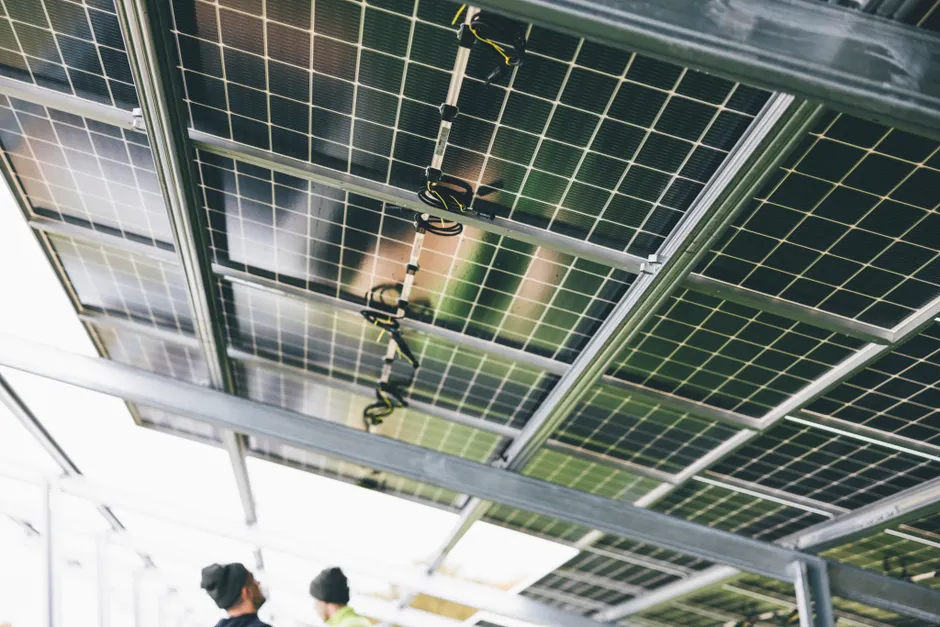
Govee's solar string lights work like their standard smart lights, except they charge themselves using built-in solar panels instead of needing an outlet. You can control the colors and brightness through Govee's mobile app, just as you would with their other products. The solar panels power both the LEDs and the wireless connection that lets your phone talk to the lights.
The challenge with solar-powered smart devices is energy management. The system has to juggle multiple power demands—keeping the LEDs bright, maintaining a wireless connection to your phone, running the processor, and storing energy in a battery for nighttime use. This is more complex than a traditional smart light that simply draws power whenever it needs it.
Why This Matters
Solar-powered outdoor lights solve a real problem: you can install them anywhere without running electrical wiring. This opens up possibilities that traditional smart lights can't touch. A garden space, a camping trip, a rental property where you can't modify the structure—these become practical places for smart lighting when you don't need an electrician.
Govee isn't the first company to explore this space, but it's bringing the expertise it developed making outdoor smart lights for years. That foundation matters because weatherproofing, temperature swings, and UV damage to electronics are harder problems than making lights glow pretty colors.
The broader context here is worth noting: as smart home devices multiply and move outdoors, the need for power adds up fast. Solar integration addresses a fundamental constraint that could otherwise limit how many smart devices people are willing to install.
The Technical Reality
Solar smart devices face built-in limitations that plug-in lights don't. Weather affects how much the panels charge. Cloudy regions or winter months mean less energy available. The battery has to be sized to run the lights through the night, which takes space and adds weight. And all the electronic components have to survive moisture, freeze-thaw cycles, and intense sun without degrading.
These factors shape everything from which components Govee chooses to how the whole product is designed and sealed. An outdoor solar light is a different engineering problem than an indoor light that only needs a power cord.
What This Signals for the Broader Market
Govee's move into solar lighting reflects a pattern we've seen many times before in tech: successful companies applying what they know well to a new, adjacent market. Govee knows smart lighting and outdoor enclosures. Solar power management is new territory, but the core challenge—balancing power consumption with energy availability—is solvable.
Over the next few years, expect photovoltaic costs to keep falling and battery density to improve, which makes the economics of autonomous solar devices stronger. That's likely to drive adoption for home use and could eventually open doors for other outdoor IoT products: security cameras, environmental sensors, smart irrigation systems.
The question for Govee and its competitors isn't whether solar-powered smart devices are coming. It's whether manufacturers can solve the engineering challenges of keeping them reliable and affordable outdoors. Based on the track record of IoT companies adapting to new constraints, there's reason for optimism on that front.